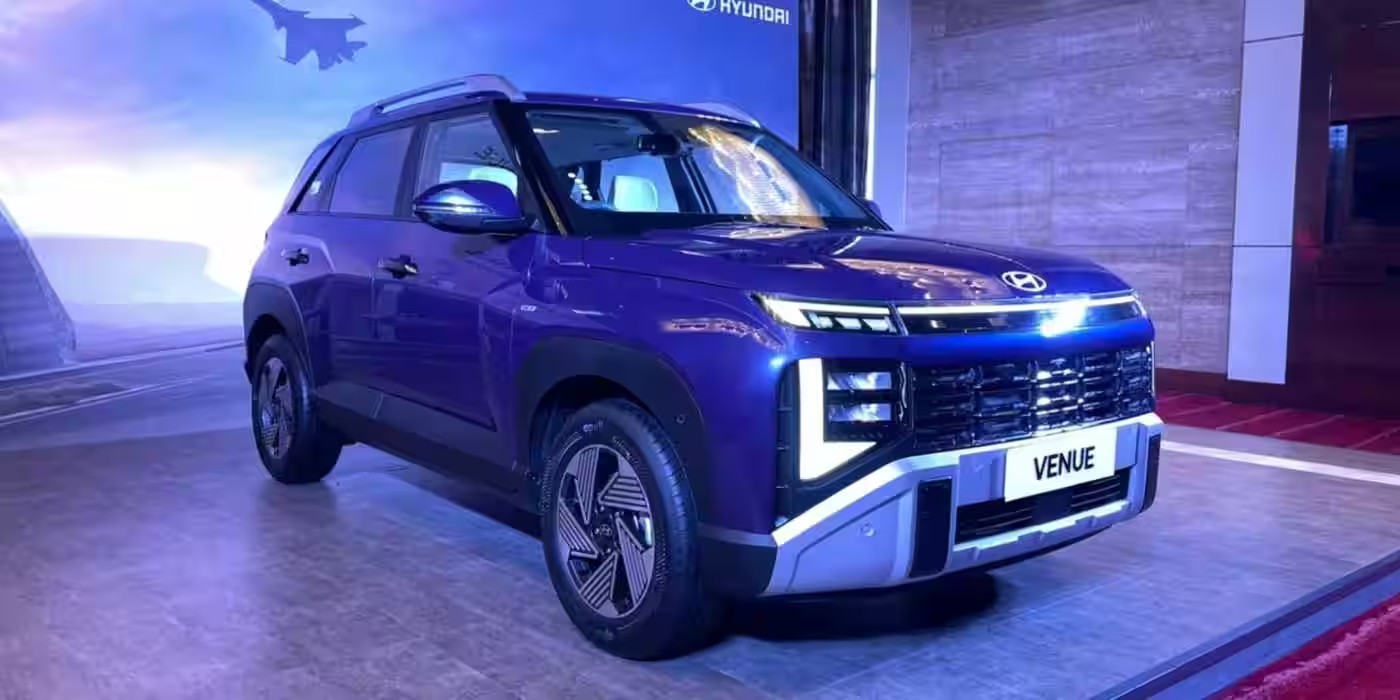
The 2025 Hyundai Venue lands in India with a bigger presence, dual 12.3 inch displays, Level 2 ADAS, premium cabin touches and a choice of petrol turbo petrol and diesel powertrains. This in depth, AdSense friendly review covers full specifications, pricing with breakeven math, competition comparison, pros and cons, buyer guidance, and market context in a clear journalist voice.
Introduction
Hyundai has relaunched the Venue for 2025 with a clear brief. Stop treating compact SUVs like compromise cars. This is not a token facelift. The new Venue is wider and taller, the cabin looks and feels genuinely premium, and the features list could belong to a segment above. The engines are familiar, which is not a bad thing, because reliability and running costs matter in this class. Everything around those engines has moved forward.
If you are shopping in the sub 4 metre SUV space because you wrestle with narrow lanes, tight parking, weekend getaways and a desire for something that still feels special, the Venue now sits squarely in your crosshairs. Below is a clean, blog ready guide. What is new, what is carried over, how the pricing shakes out once you consider real ownership math, how it stacks up against Brezza, Nexon, Sonet and XUV 3XO, and who should actually buy it.
What is New and What is Carried Over
Design and Dimensions
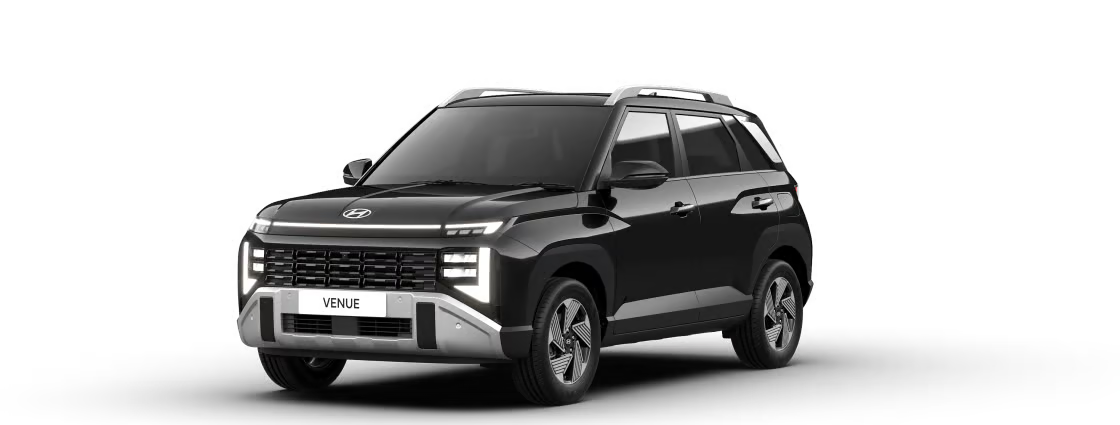
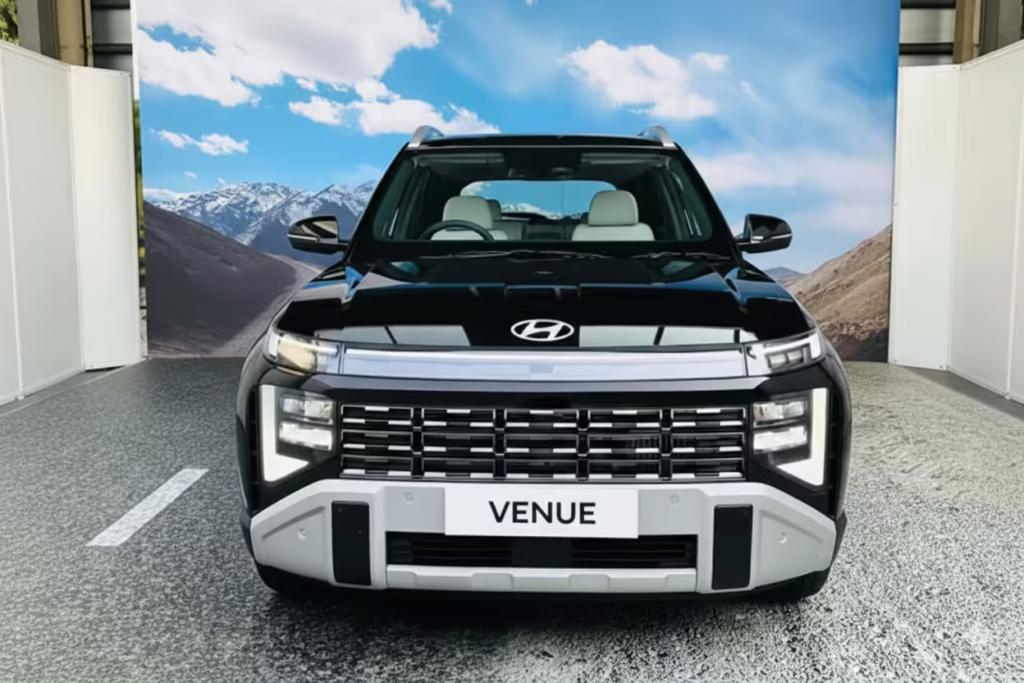
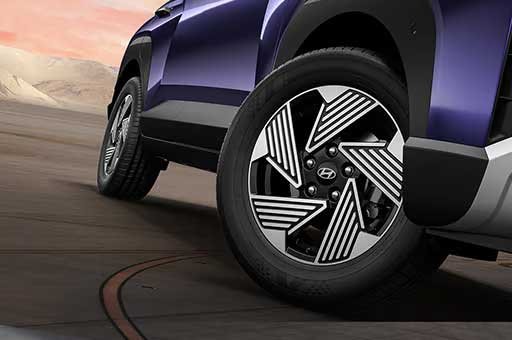
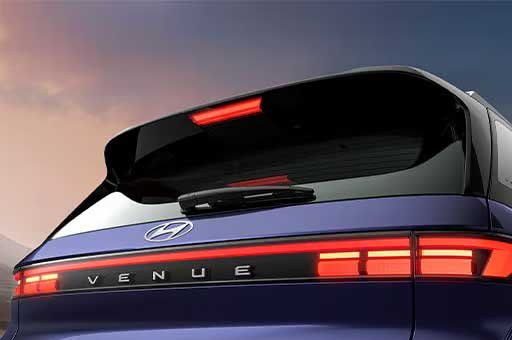
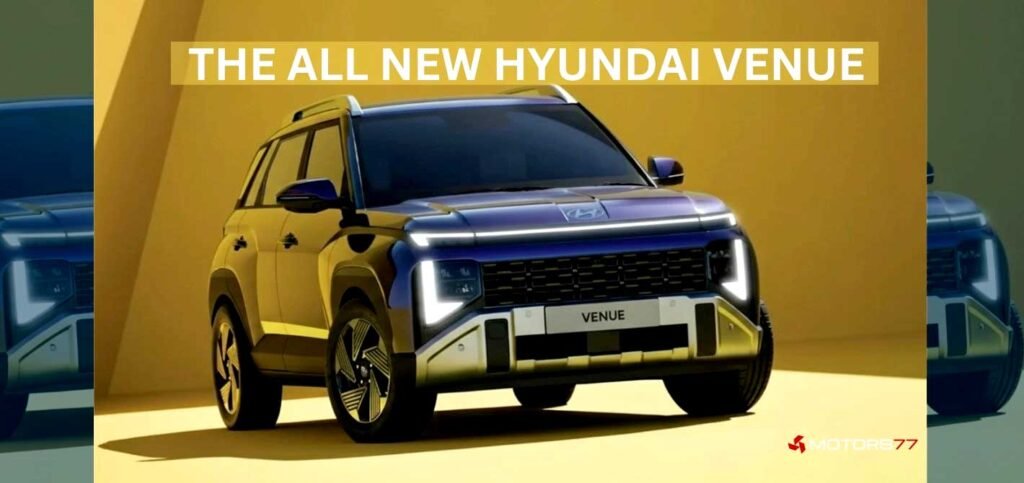
The Venue’s stance is the headline change. It is visibly broader and a touch taller than before. The face gets a darker grille, new LED signatures and a more technical bumper. The rear now uses a connected lamp signature that looks clean at night. Dual tone roof options and sharper alloys add theatre without gimmicks. The result. More road presence, less hatchback on stilts.
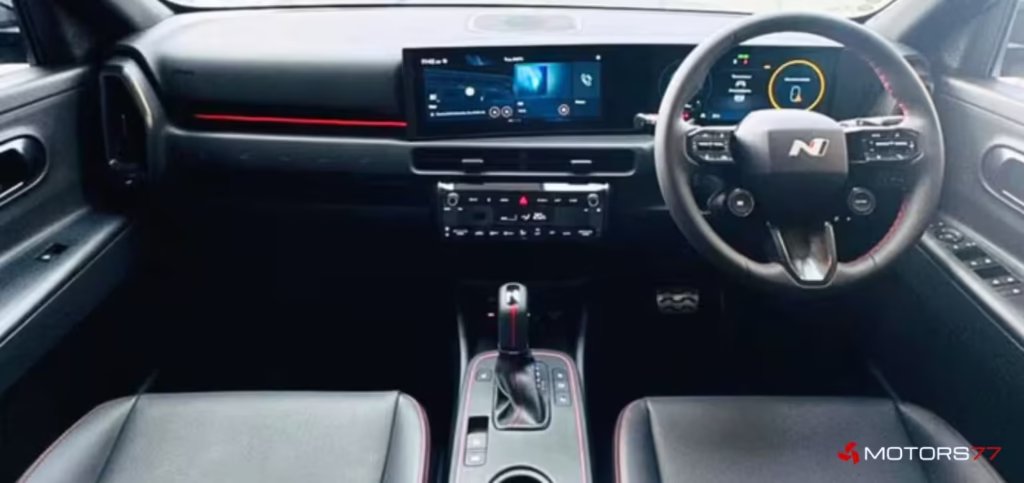
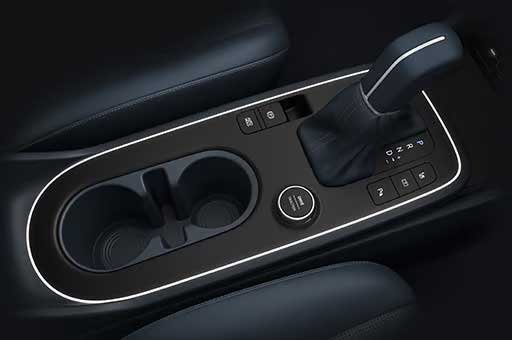
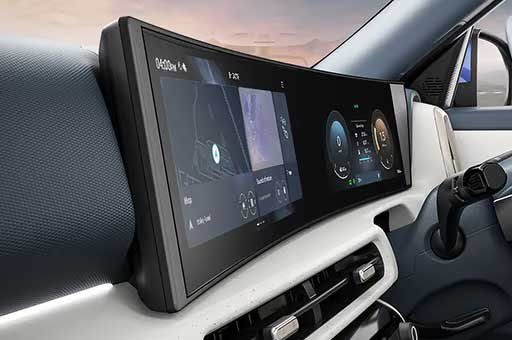
Inside, Hyundai’s H architecture dashboard puts a dual 12.3 inch curved display spread in higher trims. One screen is a digital instrument cluster and the other is the main infotainment unit. Materials feel better coordinated, ambient lighting is tasteful, and small touches signal daily usability. Rear sunshades, rear AC vents, a tidier centre console, wider opening rear doors. It finally feels like the Venue grew into the role buyers expected from it.
Powertrains and Transmissions
Hyundai sticks to a pragmatic, proven powertrain set.
- 1.2 litre petrol. Simple and efficient for city heavy use. Paired with a 5 speed manual.
- 1.0 litre turbo petrol. The pick for effortless performance in everyday driving. Available with a 6 speed manual and a 7 speed dual clutch automatic.
- 1.5 litre diesel. The long legged, torque rich option for high mileage highway users. Manual and automatic availability depends on trim.
These are known engines. That is the point. Refinement is up, drivability is friendly, and service familiarity is a plus across India. If you were hunting a full hybrid, that is not here. If you wanted a sweet spot turbo petrol automatic with premium features, you are well served.
Features and Safety
This is where Venue 2025 swings hard. On the higher trims you get that dual 12.3 inch curved display setup, Level 2 ADAS features such as forward collision assist, lane support and smart cruise types, ventilated front seats, a premium audio system, a 360 degree camera, front parking sensors, a wireless charger, connected car features with over the air updates and useful cabin comforts like a reclining rear backrest and sunshades. Core safety like multiple airbags, electronic stability control, hill start assist and a tyre pressure monitoring system are present. The story is simple. Tech is not a token extra. It now defines the Venue’s pitch.
For readers who want a deeper explainer, link internally to your ADAS guide and your DCT vs torque converter explainer.
Full Specifications and Features
| Category | Details |
|---|---|
| Dimensions | Length about 3995 mm, width about 1800 mm, height about 1665 mm, wheelbase about 2520 mm |
| Body and segment | Sub compact SUV, sub 4 metre category |
| Seating | 5 seats |
| Engines | 1.2 MPi petrol naturally aspirated, 1.0 T GDi petrol turbo, 1.5 CRDi diesel |
| Transmissions | 5 speed manual for 1.2, 6 speed manual or 7 speed dual clutch for 1.0, 6 speed manual or 6 speed automatic for diesel depending on variant |
| Steering and brakes | Electric power steering, front discs and rear drums or discs on upper trims |
| Suspension | McPherson strut front and torsion beam rear tuned for comfort and stability |
| Wheels and tyres | 16 to 17 inch alloy options depending on trim |
| Infotainment | Up to dual 12.3 inch curved displays, wireless smartphone connectivity, premium audio on higher trims |
| Convenience | Ventilated front seats, wireless charger, automatic climate control, rear AC vents, rear sunshades, push button start, cruise control where equipped |
| ADAS and safety | Level 2 ADAS on select trims, multiple airbags, ESC, hill start assist, TPMS, 360 degree camera, front parking sensors |
| Lighting | LED headlamps and DRLs, connected LED tail lamp bar in higher trims |
| Seats and trim | Dual tone upholstery options, rear seat recline on select trims |
| Boot and flexibility | Split folding rear seat, useful under floor storage areas |
| Colours | Multiple monotone shades plus dual tone roof options in mid and upper trims |
| Connected car | Remote features, voice assistance, over the air updates, multi language support |
| Indicative efficiency | Broadly 18 to 24 km per litre depending on engine, gearbox and conditions |
Exact fitments vary by variant. If a feature is essential to you, confirm it on the specific trim before booking.
Pricing Overview and Breakeven Math
Ex showroom pricing starts in the high 7 lakh band for the base petrol and climbs into the low or mid teens for feature rich turbo and diesel trims. On road numbers will be higher once you factor insurance, RTO and typical accessories. That matters because many buyers make decisions on monthly outgo rather than sticker price.
Let us run clean, assumption driven examples that you can adjust for your city and fuel prices.
Scenario A. 1.2 petrol manual for city leaning users
- Ex showroom. 8.0 lakh illustration
- On road. about 9.7 lakh
- Annual kilometres. 12,000
- Real world fuel economy. 13 km per litre mixed
- Fuel price. 100 rupees per litre illustration
- Annual fuel spend. (12,000 divided by 13) times 100 equals about 92,300 rupees
- Annual other ownership. routine service, insurance delta, tyres accrual about 45,000 rupees
- Yearly run rate. about 1.37 lakh rupees
- Five year fuel plus other. about 6.85 lakh rupees
- Total five year outlay. purchase 9.7 lakh plus running 6.85 lakh equals about 16.55 lakh rupees
- Residual value. assume 40 percent of on road equals about 3.9 lakh rupees
- Net five year cost. about 12.65 lakh or about 2.53 lakh per year
Scenario B. 1.0 turbo petrol DCT for mixed city and highway users who want tech
- Ex showroom. 11.5 lakh
- On road. about 13.6 lakh
- Annual kilometres. 15,000
- Real world fuel economy. 12.5 km per litre mixed
- Annual fuel spend. about 1.20 lakh rupees
- Annual other ownership. about 55,000 rupees
- Yearly run rate. about 1.75 lakh rupees
- Five year fuel plus other. about 8.75 lakh rupees
- Total five year outlay. 13.6 plus 8.75 equals about 22.35 lakh rupees
- Residual value. assume 42 percent equals about 5.7 lakh rupees
- Net five year cost. about 16.65 lakh or about 3.33 lakh per year
Scenario C. 1.5 diesel automatic for high mileage highway commuters
- Ex showroom. 12.5 lakh
- On road. about 14.8 lakh
- Annual kilometres. 22,000
- Real world fuel economy. 19 km per litre
- Diesel price. 90 rupees per litre illustration
- Annual fuel spend. about 1.04 lakh rupees
- Annual other ownership. about 60,000 rupees
- Yearly run rate. about 1.64 lakh rupees
- Five year fuel plus other. about 8.2 lakh rupees
- Total five year outlay. 14.8 plus 8.2 equals about 23.0 lakh rupees
- Residual value. assume 45 percent equals about 6.7 lakh rupees
- Net five year cost. about 16.3 lakh or about 3.26 lakh per year
Takeaway
City centric users keep five year cost down with the 1.2 petrol. Tech lovers who want effortless performance and the big screen experience will enjoy the turbo DCT but should budget for the higher entry price. True highway warriors find that diesel automatic’s lower fuel burn and typically stronger resale can offset the higher sticker, especially beyond about twenty thousand kilometres per year.
For a step by step worksheet, direct readers to your internal running cost calculator article.
Competition Comparison
Direct rivals are Maruti Suzuki Brezza, Tata Nexon, Kia Sonet and Mahindra XUV 3XO. Here is the short and useful view.
Where Venue has the edge
- Cabin polish and tech. The twin 12.3 inch curved displays feel class leading. The interface is quick, the cluster is crisp, and the ambient lighting lifts the mood after dark.
- Safety and assistance. Level 2 ADAS at this size and price is a real benefit on expressways when used correctly.
- Variant breadth. Multiple engines and both manual and automatic options make it easy to match your usage.
Where to watch rivals closely
- Powertrain novelty. Some rivals offer fresher engine families or mild hybrid angles. If you value novelty over proven reliability, cross shop carefully.
- Space carve. Rear seat width and boot shape vary by model. If your family is tall or you travel with a child seat and luggage, take back to back test drives.
- Pricing ladders. To unlock the headlining features on any of these SUVs, you climb the variant ladder. Compare feature to feature, not only price to price.
If you maintain an internal comparison page, link to Brezza vs Venue vs Sonet and Venue vs Nexon ride quality comparisons.
Pros and Cons
What we like
- Big car aura in a small footprint. The design and cabin ambiance now feel grown up.
- Screens and safety that set the tone for the segment. Dual 12.3 inch curved displays and Level 2 ADAS where equipped.
- Everyday livability. 360 degree camera, front parking sensors, rear AC vents and sunshades are all useful in tight city life.
- Choice of powertrains. Simple 1.2 petrol for the city, lively turbo petrol for mixed use, relaxed diesel for the highway.
What we would watch
- Cost to access the best bits. The magic lives in mid and upper trims, so budget accordingly.
- No full hybrid option. If kilometre cost is your top priority, a hybrid competitor might tempt you.
- Familiar engines. Smooth and proven, yes, but enthusiasts may crave something newer.
- Feature overload risk. Paying for features you never use hurts value. Buy the lowest trim that still delivers your non negotiables.
Buyer Guidance. Who Should Buy It
Buy the Venue if
- You want a compact footprint without feeling basic inside.
- You value tech and safety. Screens you will actually enjoy using, assistance that reduces fatigue on longer trips.
- Your driving is city heavy with some highway and you prefer comfort and polish over knife edge handling.
- You want a broad dealer network and predictable maintenance.
Ideal picks
- 1.2 petrol manual for mostly city life and tight budgets.
- 1.0 turbo petrol DCT in a mid or upper trim for the premium cockpit and easy performance.
- Diesel automatic for those who live on the highway or do twenty thousand kilometres a year or more.
Consider another option if
- You are a very high mileage user who wants a hybrid or the absolute best fuel economy numbers.
- You prioritise sporty handling over comfort and do not mind a firmer ride.
- Your budget does not stretch to the trim that actually carries the features you want. Better to buy the right variant of a rival than the wrong variant here.
- You need maximum rear seat width and the squarer boot of a rival fits your luggage better.
Market Context and Industry Insight
India’s compact SUV segment is the industry’s centre of gravity. Buyers now expect more than basic utility. They want tech, safety, clean interfaces and better perceived quality, all inside city friendly footprints. The Venue’s 2025 update reads like Hyundai’s answer. Keep the running gear sensible and reliable, pour resources into the interface and safety tech, refine the daily use details that make city life easier.
Macro realities still matter. Prices across the industry have edged up, insurance and tyres are not getting cheaper, and fuel remains a sensitive budget line. That is why choosing the right variant is everything. A well specced mid trim Venue that covers your must haves is smarter than a fully loaded car whose features you rarely touch. The opposite mistake also hurts. Buying too low and then regretting missing a 360 degree camera or adaptive assistance is equally painful.
For readers planning a purchase, link them to your guides. How to structure a test drive. The five minute checklist for infotainment and camera performance. DCT ownership tips. Diesel care for long term reliability.
Verdict
The 2025 Hyundai Venue is the compact SUV many buyers wished the original would become. It looks more assertive, the cabin finally feels premium, and the feature and security net are class leading in places. The engines are familiar and that is fine. Hyundai focused on the experience rather than chasing headline power. If your life is a mix of metro commute, mall runs and occasional weekend highway sprints, this formula makes a lot of sense.
Which would I shortlist. A turbo petrol automatic in a mid or upper trim that brings the headline features without going overboard on price. If your world is mostly stop go traffic and value is king, the 1.2 petrol manual keeps the five year math friendlier. For those who live on the highway, the diesel automatic continues to be the calm, long legged choice.
If you want to go deeper, point readers to internal articles. Five must check items during your Venue test drive. How ADAS changes highway fatigue. DCT vs torque converter automatics. Compact SUV tyre guide for ride, grip and noise.
FAQs
1) Is this a new generation or a facelift
It is a generational overhaul for India in the areas that shape user experience. Stance, cabin architecture, features and safety move forward. The powertrains are familiar but better integrated into a modern package.
2) Which engine should I choose for mostly city use
The 1.2 litre petrol manual is simple, easy to maintain and sufficient for urban driving. It also keeps the five year cost of ownership under control.
3) Is the turbo petrol DCT worth paying extra for
If you want easy overtakes, smoother highway merges and you are eyeing the big screen cockpit and assistance features, the 1.0 T GDi with DCT is the most satisfying daily luxury setup. Just plan for the higher entry price.
4) Who should consider the diesel
High mileage users who regularly do long highway trips. Diesel’s torque and real world efficiency shine in that use case, and resale typically helps offset the higher sticker price.
5) Does the Venue really offer Level 2 ADAS
Yes, on select trims. Treat assistance as a helpful co pilot that reduces workload. It does not replace driver attention.
6) Which features are must haves for a city user
A 360 degree camera, front parking sensors, rear AC vents, the larger infotainment screen and ventilated seats if your car sits in the sun. These improve daily life more than you might expect.
7) How do I avoid overspending on features
Write a short list of non negotiables. Safety aids, parking aids, screen size and connectivity. Then shop the lowest trim that delivers those. Paying for features you will never use is the fastest way to dilute value.
8) What is a realistic five year cost to plan for
Depending on engine, trim and mileage, expect roughly 2.5 to 3.4 lakh rupees per year all in. That includes a share of purchase cost, fuel, maintenance and insurance. City heavy 1.2 petrol sits at the lower end. Turbo or diesel automatics land toward the upper end.
Also Read: Hyundai Venue Variant-Wise Engine Details Leaked Ahead of Launch