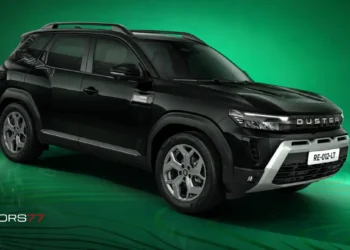
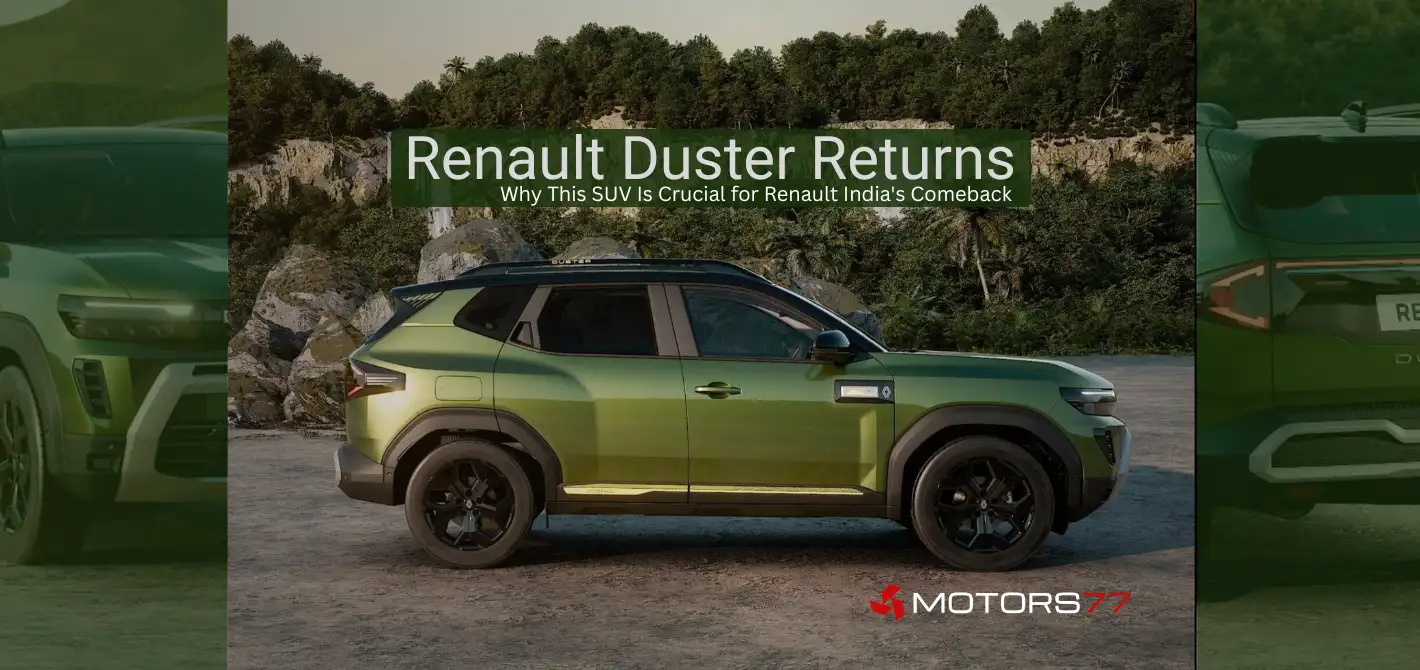
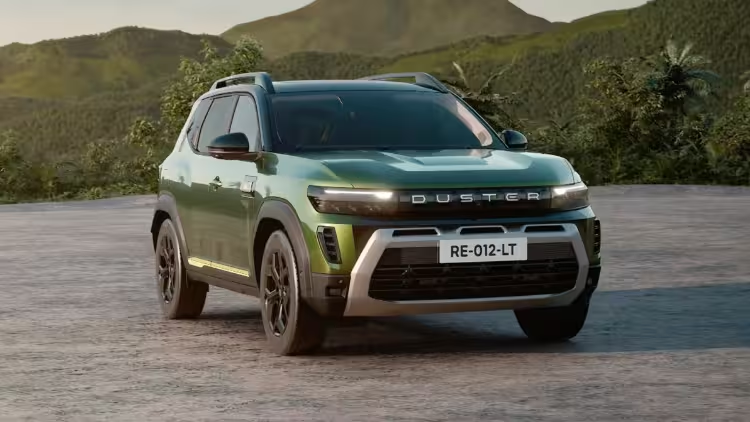
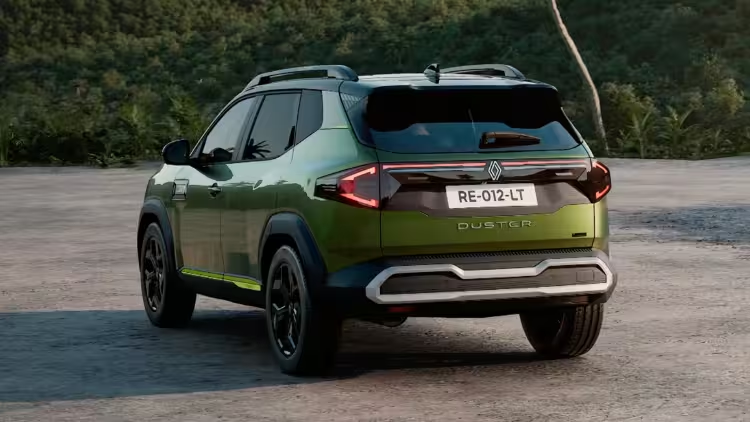
Renault Duster isn’t just returning to India it’s arriving with a point to prove. After pioneering the compact SUV segment in 2012 and then quietly departing in 2022, the third-generation Duster now steps back into a battlefield that it originally created. The timing couldn’t be more significant for a carmaker whose market share has dwindled from 4% to under 1% over the past decade.
A Segment Pioneer Faces Its Own Legacy
When the original Renault Duster landed in Indian showrooms fourteen years ago, the automotive landscape looked dramatically different. Hatchbacks and sedans dominated roads, and the notion of an accessible, rugged SUV felt revolutionary. The Duster changed that conversation entirely, selling over 200,000 units and essentially creating what we now call the midsize SUV segment a category that today accounts for nearly 25% of all passenger vehicle sales in India.
The irony isn’t lost on anyone. Renault created a segment worth billions, then watched competitors like Hyundai Creta, Kia Seltos, and Maruti Grand Vitara claim the throne. The 2026 Renault Duster represents more than a product launch it’s a statement of intent.
Quick Pros & Cons: 2026 Renault Duster at a Glance
Pros:
- Segment-leading 163 PS turbo petrol engine with 280 Nm torque
- Strong hybrid powertrain delivering 160 HP combined system output
- Best-in-class 212 mm ground clearance for superior road capability
- Industry-leading 7-year/1,50,000 km standard warranty
- Spacious 594-litre boot capacity outperforms all rivals
- Level 2 ADAS suite with up to 17 safety features
- Built-in Google integration for native infotainment experience
- India-specific design elements and local engineering development
Cons:
- No diesel engine option available in the lineup
- Strong hybrid variant arrives only by Diwali 2026
- No 4×4 drivetrain option available at launch
- Global model scored 3-star Euro NCAP rating
- Premium pricing expected for fully-loaded variants
- Faces intense competition from well-established rivals
- Brand perception and resale value concerns persist
- Petrol-only powertrain may deter high-mileage buyers
Key Specifications Overview
| Parameter | Specification |
|---|---|
| Length × Width × Height | 4,343 × 1,813 × 1,659 mm |
| Wheelbase | 2,657 mm |
| Ground Clearance | 212 mm |
| Boot Capacity | 594 litres |
| Kerb Weight | From 1,411 kg |
| Fuel Tank | 50 litres |
What Makes the Renault Duster a Serious Midsize SUV Competitor
The third-generation Renault Duster arrives on the CMF-B modular platform, developed with nearly 90% local engineering input from Renault’s Chennai design centre. This isn’t merely a rebadged European model it’s a vehicle specifically tuned for Indian roads, tested on racing tracks domestically, and styled with elements that speak directly to Indian buyers.
Powertrain Options: Numbers That Matter
The 2026 Renault Duster brings three powertrain choices to market a strategic spread designed to capture different buyer priorities.
| Engine | Power | Torque | Transmission | Availability |
|---|---|---|---|---|
| 1.0L Turbo Petrol | 100 PS | 160 Nm | 6-speed MT | April 2026 |
| 1.3L Turbo Petrol Mild Hybrid | 163 PS | 280 Nm | 6-speed MT / 6-speed DCT | April 2026 |
| 1.8L Strong Hybrid E-Tech | 160 HP (combined) | 172 Nm | 8-speed DHT | Diwali 2026 |
The 1.3-litre turbo petrol option deserves particular attention. At 163 PS and 280 Nm, it stands as the most powerful engine in the midsize SUV segment—surpassing even the Hyundai Creta’s 140 PS turbo petrol. For buyers who prioritise driving dynamics, this figure represents genuine differentiation rather than marketing fluff.
The strong hybrid system combines a 1.8-litre four-cylinder petrol engine producing 109 HP with a 49 HP electric motor and a 20 HP hybrid starter generator. Powered by a 1.4 kWh battery, Renault claims this setup enables pure electric driving for up to 80% of city commutes. Whether that claim holds up in real-world traffic remains to be verified, but the ambition is clear.
How Renault Duster Compares Against Key Rivals
Understanding the Duster’s positioning requires examining it against established competition. Here’s how critical parameters stack up:
| Feature | Renault Duster | Hyundai Creta | Kia Seltos | Grand Vitara | Tata Sierra |
|---|---|---|---|---|---|
| Length (mm) | 4,343 | 4,330 | 4,365 | 4,345 | 4,340 |
| Ground Clearance (mm) | 212 | 190 | 195 | 210 | 205 |
| Max Power (PS) | 163 | 160 | 160 | 137 (hybrid) | 160 |
| Max Torque (Nm) | 280 | 253 | 253 | 122 (hybrid) | 280 |
| Boot Space (litres) | 594 | 433 | 433 | 461 | 622 |
| Warranty (years) | 7 | 3 | 3 | 3 | 3 |
The Renault Duster’s 212 mm ground clearance stands out immediately 22 mm more than the Creta and 17 mm more than the Seltos. For buyers navigating monsoon-ravaged roads, unfinished urban infrastructure, or occasional off-road excursions, this advantage translates into tangible peace of mind.
Boot space presents another compelling argument. At 594 litres, the Duster offers 161 litres more than the Creta and Seltos. For families planning highway drives or airport runs, this difference eliminates awkward luggage compromises.
Technology and Features: Where the Duster Stands
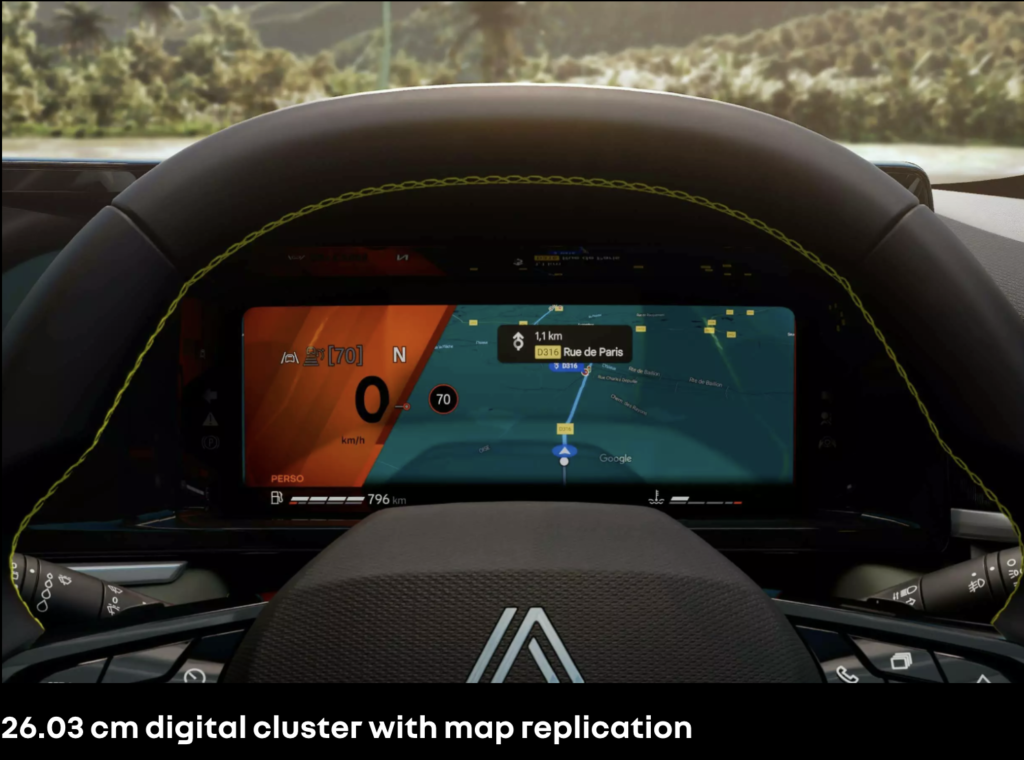
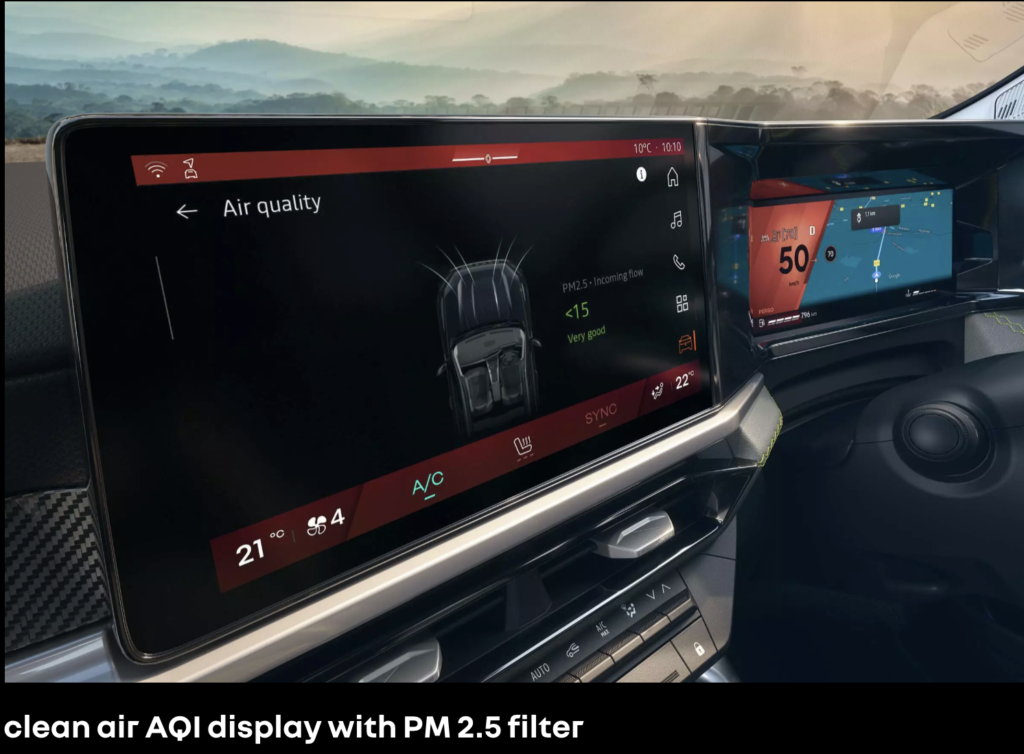
The interior of the 2026 Renault Duster breaks decisively from the utilitarian ethos of its predecessors. A dual-screen setup dominates the dashboard—comprising a 10.1-inch touchscreen infotainment system and a 10.25-inch digital instrument cluster.

Notable Feature Highlights
| Category | Features |
|---|---|
| Infotainment | Built-in Google with Maps, Assistant, and Google apps |
| Climate | Dual-zone automatic climate control |
| Comfort | Ventilated front seats, 6-way powered driver seat |
| Lighting | 48-colour ambient lighting system |
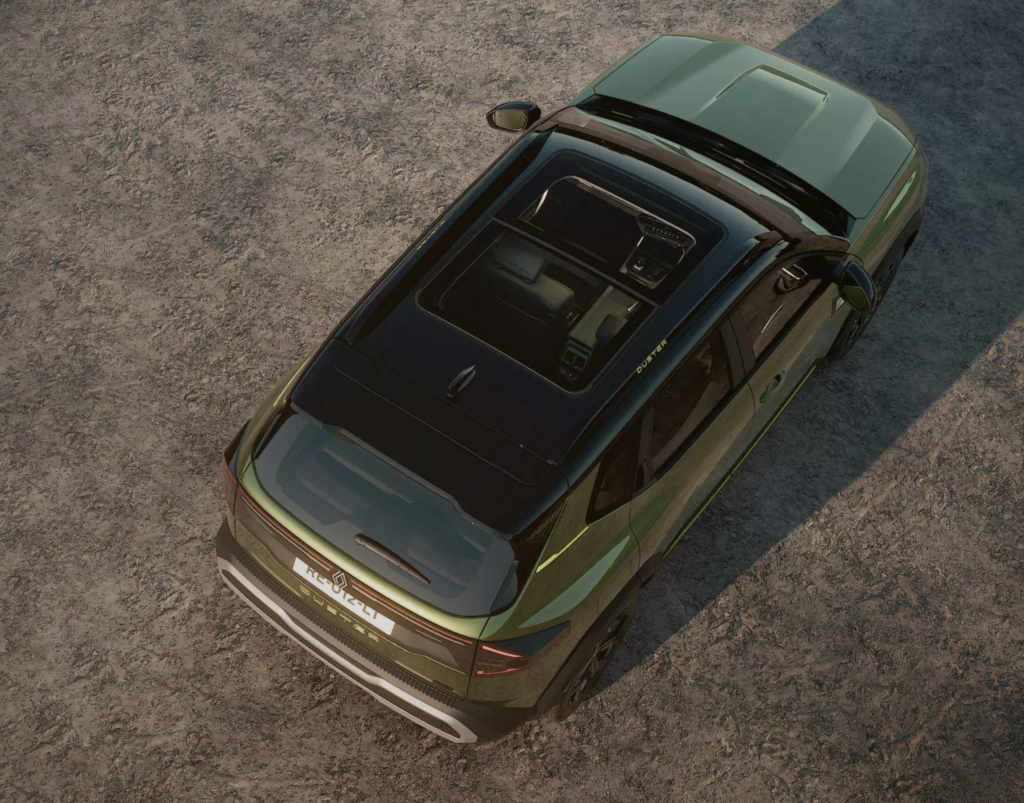
| Convenience | Wireless charging, panoramic sunroof |
| Audio | Available with premium sound system |
Built-in Google integration represents the Duster’s technological headline. Unlike screen mirroring solutions, this embedded system runs natively on the infotainment unit. Navigation, voice commands, and app access function independently a genuine advantage during connectivity blackouts that Indian highways deliver.
Physical controls for climate functions deserve appreciation in an industry increasingly obsessed with touchscreen everything. Adjusting temperature or fan speed without taking eyes off the road shouldn’t feel like a luxury. Renault’s decision to retain tactile buttons suggests they’ve listened to real-world feedback.
Safety Equipment: The Duster’s Critical Area
Safety represents the Renault Duster’s most scrutinised aspect. The global third-generation model, tested as the Dacia Duster by Euro NCAP, achieved a 3-star rating competent but not class-leading. Renault claims the India-specific model has been engineered for 5-star Bharat NCAP performance, though verification awaits official testing.
Standard Safety Features
| Safety System | Standard Across Variants |
|---|---|
| Airbags | 6 (including front, side, curtain) |
| ADAS | Level 2 with up to 17 features |
| Brakes | All four disc brakes |
| Camera | 360-degree surround view |
| Sensors | 12 ultrasonic parking sensors |
| Monitoring | TPMS, electronic stability control |
| Parking | Electronic parking brake |
Level 2 ADAS capabilities include adaptive cruise control, lane-keeping assist, autonomous emergency braking, and blind-spot monitoring. These features, once reserved for premium European sedans, now arrive in a mass-market SUV priced under ₹20 lakh evidence of how rapidly safety technology is democratising.
Why the Renault Duster Matters for Renault India
The significance of the Duster extends beyond monthly sales targets. For Renault, this launch anchors their “International Game Plan 2027” a strategic blueprint aimed at doubling their India portfolio and potentially tripling sales volume.
Consider the context: Renault’s current India lineup consists primarily of entry-level products like the Kwid, Triber, and Kiger. The Duster represents their first serious attempt at the premium-mass segment since the original model’s discontinuation. Success here validates their India investment; failure makes future commitments harder to justify.
Pricing Strategy: The Make-or-Break Factor
Renault hasn’t officially confirmed pricing, but market expectations place the Renault Duster between ₹10 lakh and ₹20 lakh (ex-showroom). Pre-bookings have opened at ₹21,000, with final prices scheduled for March 2026 announcement. Turbo petrol variant deliveries begin April 2026; hybrid customers wait until Diwali 2026.
The pricing sweet spot lies somewhere between aggressive value and sustainable margins. Price the base variant below ₹11 lakh, and Renault captures attention from buyers considering the Kiger or XUV 3XO. Price the top-spec hybrid above ₹20 lakh, and the value equation against Grand Vitara hybrids becomes questionable.
The 7-year/1,50,000 km warranty—segment-leading by a substantial margin effectively subsidises ownership costs. For buyers planning to keep their vehicle beyond typical trade-in cycles, this coverage represents thousands in potential savings.
What Buyers Should Consider Before Booking
The Renault Duster makes a compelling case on paper, but certain considerations deserve careful thought.
The absence of a diesel powertrain eliminates it from consideration for high-mileage buyers who rely on diesel efficiency for long-distance commutes. Renault’s reasoning—emissions compliance costs and declining diesel demand makes business sense, but individual buyer needs vary.
The delayed hybrid variant forces buyers to choose between immediate delivery with turbo petrol or waiting until Diwali for the fuel-efficient hybrid. Those prioritising efficiency must factor in six additional months of waiting.
Brand perception matters in resale calculations. Renault’s diminished market presence means resale values remain uncertain compared to established Hyundai or Maruti products. The 7-year warranty partially mitigates this concern, but buyers planning to upgrade within three to four years should factor resale into their calculations.
Motors77 Verdict
The 2026 Renault Duster returns not as a nostalgic throwback but as a genuinely competitive proposition in India’s most contested SUV segment.
Does it match the Creta’s polished refinement or the Seltos’s feature density? In some areas, yes; in others, it charts its own course. The Duster prioritises rugged capability, driving engagement, and long-term ownership value.
For Renault, this launch represents a necessary gamble. For buyers, it offers a genuine alternative in a segment suffering from look-alike syndrome. The Renault Duster has spent a decade watching others occupy the space it created. Now it returns with the hardware to fight back.
Whether that hardware translates into market success depends on one factor Renault must nail: pricing. Get that right, and the Duster writes its own comeback story. Get it wrong, and it becomes another cautionary tale of missed opportunities.
Motors77 Rating: 4/5 — A strong return with genuine competitive advantages, awaiting price confirmation to determine overall value.
Pre-bookings open at ₹21,000. Prices announced March 2026. Turbo petrol deliveries April 2026. Strong hybrid deliveries Diwali 2026.