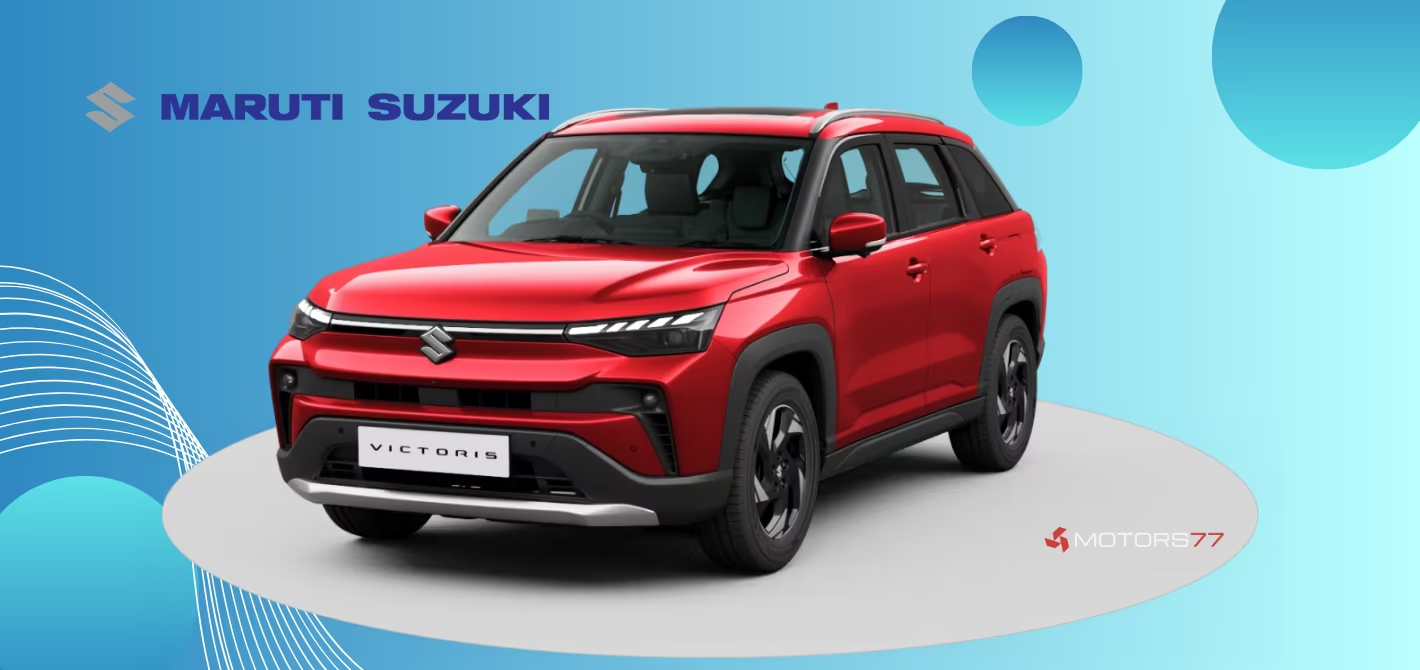
Maruti Suzuki has launched the Victoris as its most advanced Arena SUV yet, featuring a Strong Hybrid powertrain and Level 2 ADAS. Here’s everything you need to know before making your purchase decision.
The Indian SUV market has become increasingly competitive, with buyers demanding not just style and space, but also cutting-edge technology and fuel efficiency. Enter the Maruti Suzuki Victoris, a premium SUV that aims to tick all these boxes while staying within the Arena network’s reach.
Positioned as Maruti’s most feature-rich offering in the Arena lineup, the Victoris takes on established rivals in the compact and mid-size SUV segments. What makes it particularly interesting is the availability of a strong hybrid powertrain, a technology usually reserved for more expensive vehicles. With prices ranging from Rs 10.99 lakh to Rs 18.79 lakh (ex-showroom), the Victoris slots in between budget SUVs and premium offerings, targeting buyers who want advanced features without stretching to Nexa territory.
Whether you’re a first-time SUV buyer, upgrading from a hatchback, or considering a hybrid for long-term savings, this comprehensive guide covers everything you need to make an informed decision. We’ve broken down the key aspects into 10 essential points that every prospective buyer should consider.
1. Does the Victoris get a Strong Hybrid option, and is it worth the premium?
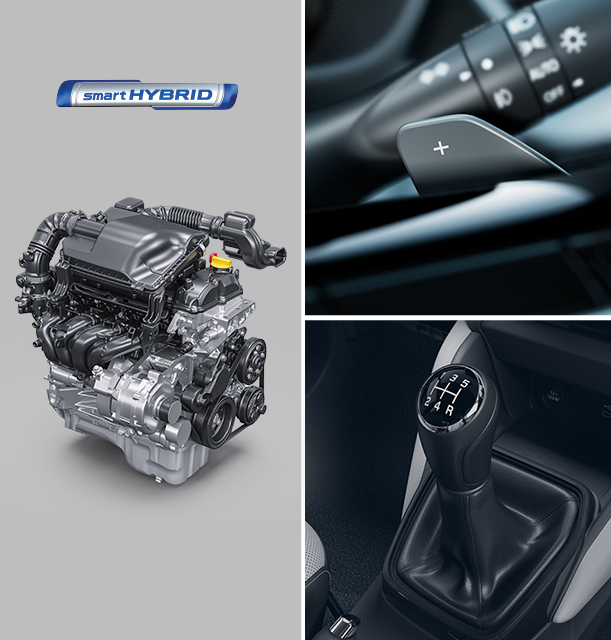
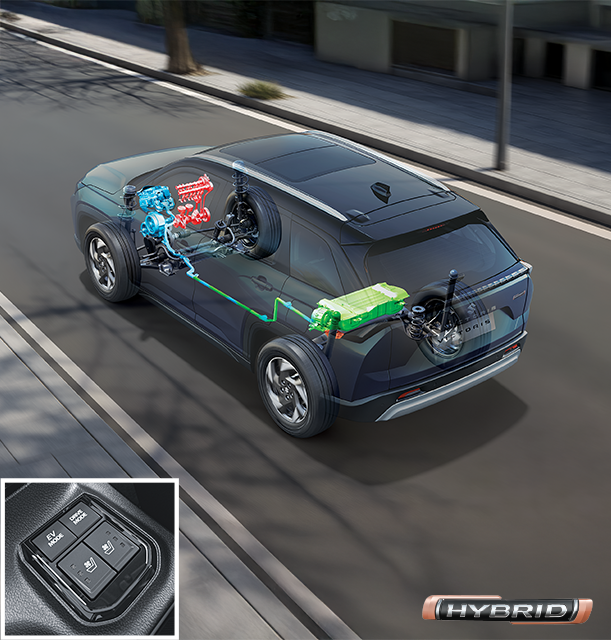
Yes, the Victoris is available with a 1.5L M15D Strong Hybrid powertrain that produces a combined 92.45 PS and 141 Nm from the electric motor. Paired with an e-CVT transmission, it delivers an ARAI-certified mileage of 28.65 km/l, making it one of the most fuel-efficient SUVs in India.
This hybrid system is similar to what you’ll find in the Grand Vitara and Toyota Hyryder, using regenerative braking to recover energy and an electric-only mode for low-speed driving. In real-world conditions, you can expect around 22-24 km/l in mixed driving, which is still excellent for an SUV. The hybrid variants command a premium of approximately Rs 2-2.5 lakh over equivalent petrol variants.
Is it worth it? If you drive over 20,000 km annually, the fuel savings can help recover the premium within 3-4 years. For lower annual mileage, the regular petrol with smart hybrid technology might be more economical. The hybrid also offers a smoother, quieter driving experience in city traffic, which adds to its appeal beyond just fuel economy.
2. What powertrain options are available, and which one should you choose?
The Victoris offers three distinct powertrain options to cater to different buyer needs. The 1.5L K15C Smart Hybrid petrol engine makes 103.06 PS and 139 Nm, available with either a 5-speed manual (21.18 km/l) or 6-speed automatic with paddle shifters (21.06 km/l). There’s also a CNG variant producing 92 PS and 121.5 Nm with a 5-speed manual only, delivering an impressive 27.02 km/kg.
The petrol variants are best suited for those who want a balance of performance and efficiency. While not as powerful as turbocharged rivals, the K15C engine is proven, reliable, and adequate for both city and highway driving. The automatic transmission adds convenience for urban commuters dealing with heavy traffic.
CNG considerations: The Victoris CNG variant features an underbody S-CNG tank, which frees up boot space — a common drawback in most CNG cars. This setup also lowers the center of gravity slightly, improving handling balance. However, performance remains a bit milder than petrol due to reduced power output. The ALLGRIP AWD variant, available only with the petrol automatic, returns 19.07 km/l, acceptable given the added capability.
Our pick: For most buyers, the petrol automatic offers the best compromise. Go hybrid if you’re a high-mileage driver, and choose CNG only if your usage pattern and local CNG infrastructure support it.
3. Does the Victoris get Level 2 ADAS, and how useful is it in Indian conditions?
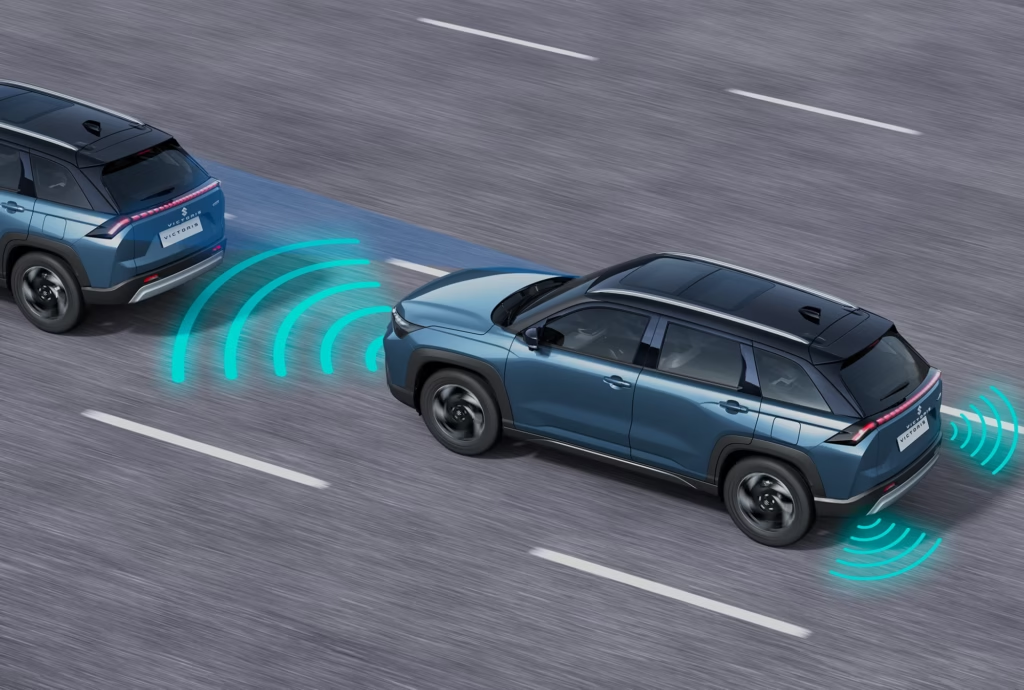
Yes, top variants of the Victoris come equipped with comprehensive Level 2 ADAS (Advanced Driver Assistance Systems). The suite includes Adaptive Cruise Control with curve speed reduction, Forward Collision Warning, Automatic Emergency Braking, Lane Keep Assist and Lane Departure Prevention, Blind Spot Monitoring, Rear Cross Traffic Alert, Vehicle Sway Warning, and High Beam Assist.
This is significant because ADAS features are gradually becoming mainstream in India, and having them at this price point makes the Victoris competitive with offerings from Hyundai, Kia, and MG. All variants get six airbags as standard, which is a strong safety statement in a market that’s increasingly safety-conscious.
Real-world usefulness: While features like Adaptive Cruise Control work well on highways, systems like Lane Keep Assist can be less effective on poorly marked Indian roads. Blind Spot Monitoring and Rear Cross Traffic Alert are genuinely useful in congested urban environments. The 360-degree camera with 11 viewing modes is particularly helpful for tight parking situations.
Important note: ADAS is not a substitute for attentive driving. These are assistance systems designed to support, not replace, driver input. Regular calibration and maintenance of sensors are necessary for optimal functioning.
4. What is the Suzuki ALLGRIP system, and do you really need AWD?
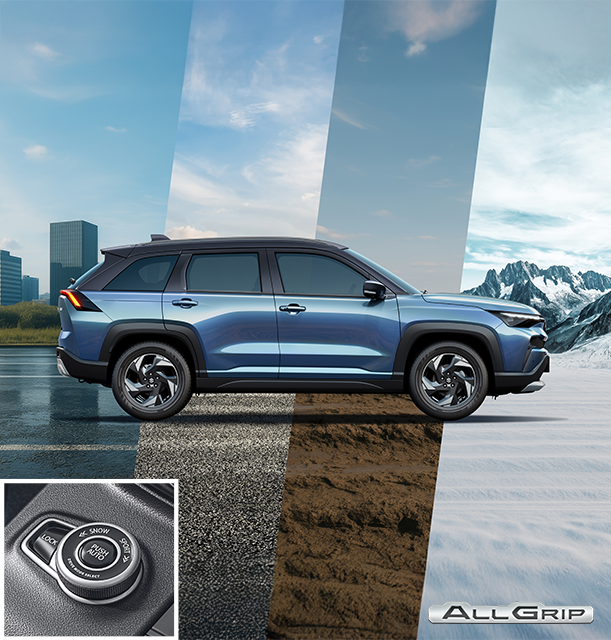
The ALLGRIP Select AWD system is available exclusively on the top petrol automatic variant (ZXi+ (O) AT). It offers four terrain modes: Auto for everyday balanced performance, Sport for responsive acceleration, Snow for slippery surfaces, and Lock for challenging off-road situations. Combined with 195 mm ground clearance, it gives the Victoris genuine multi-terrain capability.
However, it’s worth considering whether you actually need AWD. For most urban and highway driving, front-wheel drive is perfectly adequate. The ALLGRIP variant also sees a mileage drop to 19.07 km/l compared to 21.06 km/l for the regular automatic, and the system adds cost, weight, and maintenance considerations.
Who should consider ALLGRIP? If you frequently drive in hilly terrain, encounter snow, or regularly venture off paved roads, the ALLGRIP system provides genuine benefits. For occasional weekend getaways, the standard front-wheel drive with good ground clearance should suffice. The tight 5.4 m turning radius makes the Victoris easy to maneuver in cities regardless of drivetrain.
5. What infotainment and connectivity features does the Victoris offer?
The Victoris gets a split infotainment setup depending on variant. Top ZXi+ variants feature a 10.1-inch SmartPlay Pro X HD touchscreen with wireless Android Auto and Apple CarPlay, while lower variants (LXi to ZXi) get a 7-inch SmartPlay Pro display. Both systems receive OTA (Over-The-Air) updates, ensuring the software stays current without dealer visits.
The audio experience is handled by 8 Infinity by Harman speakers with Dolby Atmos and 5.1 Surround Sound through a built-in amplifier, a setup that delivers genuinely impressive sound quality for this segment. Additional tech includes Alexa Auto Voice AI for hands-free controls and an in-built App Store with over 35 apps.
User experience matters: Maruti’s SmartPlay system has improved significantly over previous generations, with faster response times and better UI design. Wireless smartphone connectivity eliminates cable clutter, and the system supports multiple voice assistants. The 10.1-inch screen offers good visibility and responsive touch controls, though it can be reflective in bright sunlight.
Comparison note: Rivals like the Hyundai Creta and Kia Seltos offer larger screens and more connected features, but the Victoris holds its own with essential functionality and good audio quality.

6. Does the Victoris get a panoramic sunroof, and what other premium features are included?
Yes, but the panoramic sunroof is limited to Zxi (O) and Zxi+ (O) variants, meaning you’ll need to opt for the higher trim levels to get this increasingly popular feature. Given how much Indian buyers value sunroofs, this selective availability might disappoint those considering mid-spec variants.
Beyond the sunroof, top trims pack in genuinely premium features including ventilated front seats (excellent for Indian summers), an 8-way powered driver seat with memory function, 64-colour ambient lighting that adds evening appeal, a wireless charger with active cooling to prevent phone overheating, and a PM 2.5 auto air purifier for cleaner cabin air.
Value assessment: These features are typically found in vehicles costing Rs 15-20 lakh, so having them in an Arena SUV is commendable. The ventilated seats and air purifier are particularly useful given India’s climate and air quality concerns. However, the dual-tone Black and Ivory interior (on petrol/CNG variants) may show dirt more easily than the all-black theme on hybrid variants.
What’s missing? Unlike some rivals, there’s no digital driver display, head-up display, or cooled storage for the glove box. The rear seats don’t get ventilation either, which would have been a nice addition at this price point.
7. What safety features are standard on the Victoris, and how does it compare to rivals?
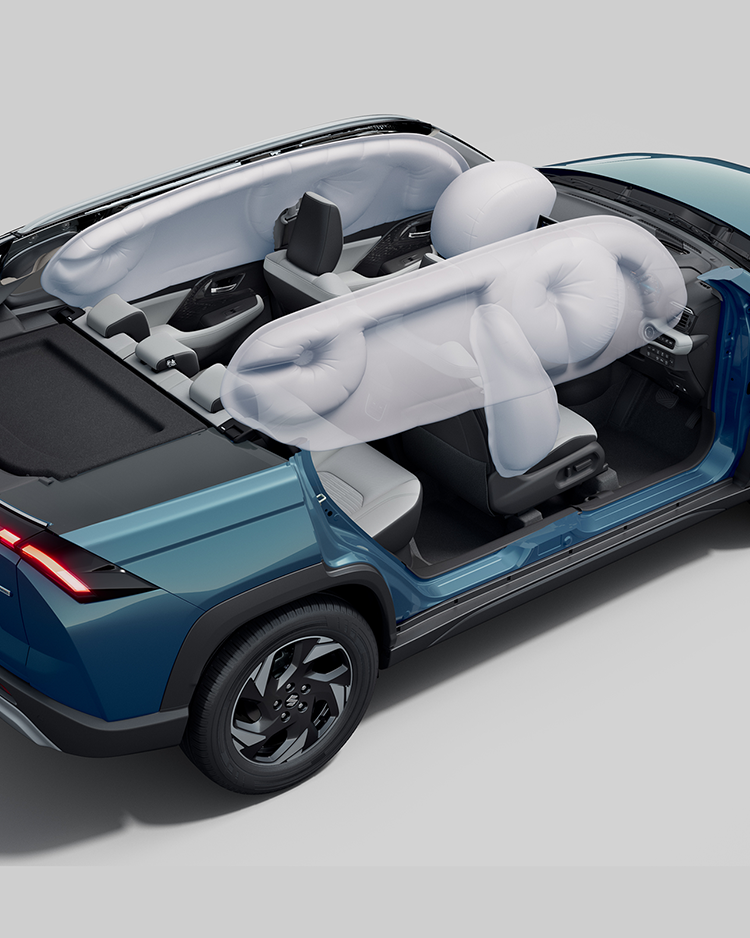
Maruti has made a strong safety statement with the Victoris, setting a new benchmark for the Arena lineup. The SUV has been awarded a 5-star safety rating in Bharat NCAP (BNCAP) for both adult and child occupant protection, making it one of the safest Maruti models ever produced. This marks a significant milestone for the brand’s mainstream portfolio and reflects Maruti’s growing focus on safety engineering and crash performance.
All variants of the Victoris come equipped with six airbags as standard, immediately placing it ahead of rivals that still offer dual airbags in base trims. The comprehensive safety suite also includes a 360-degree HD camera with 11 viewing modes (extremely useful for tight city parking), front parking sensors with auto activation, an electronic parking brake with auto hold, and TPMS (Tyre Pressure Monitoring System).
Additional electronic safety systems include ESP (Electronic Stability Program), traction control, brake assist, and hill hold assist across all variants. The ALLGRIP variant further adds hill descent control for extra stability on steep declines. Disc brakes on all four wheels ensure confident braking, while the Suzuki TECT (Total Effective Control Technology) platform forms the structural backbone, designed to absorb and dissipate impact forces efficiently.
Crash test performance:
Under Bharat NCAP’s latest and more stringent testing protocols, the Victoris scored 5 stars for both adult and child occupant safety, thanks to its reinforced body shell, effective restraint systems, and comprehensive standard safety kit. This achievement also highlights Maruti’s shift towards prioritising safety in mass-market models — something buyers have long demanded.
Real-world advantage:
The combination of a 360-degree camera, front and rear sensors, and ESP gives the Victoris a clear edge in day-to-day usability. The electronic parking brake frees up console space while enhancing convenience and safety. For family buyers, the standard six airbags and 5-star BNCAP rating deliver genuine peace of mind, making the Victoris one of the safest and most confidence-inspiring SUVs in its class.

8. What is the Suzuki Connect system, and how useful are connected car features?
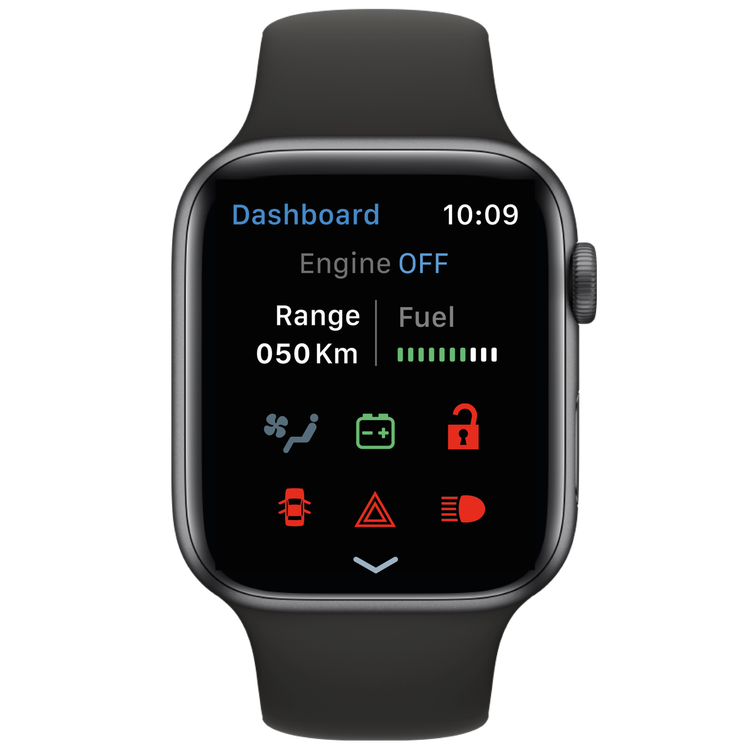
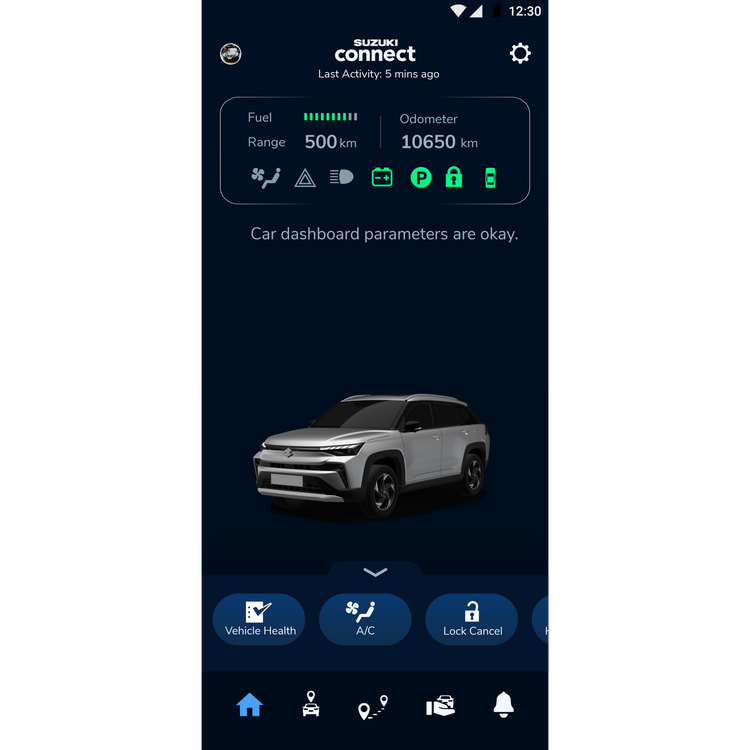
The Victoris features the next-generation Suzuki Connect telematics system with over 60 smart functions. Key features include emergency and breakdown alerts that can summon help when needed, geo-fencing to monitor if your car leaves designated areas, valet mode to restrict performance when others drive, and overspeed notifications for concerned parents.
Remote functions include AC control (start cooling before you reach the car), door lock/unlock for when you’ve forgotten to lock, hazard light activation to locate your car in crowded parking lots, and real-time vehicle health monitoring. The system also integrates with smartwatches and supports Alexa Skill integration for voice-controlled queries.
Practical usefulness: Features like remote AC control are genuinely helpful in India’s summer heat, while geo-fencing and valet mode provide peace of mind if you have multiple drivers. The emergency alert system can be valuable in case of accidents or breakdowns in unfamiliar areas. Vehicle health monitoring helps you stay on top of service requirements.
Limitations to consider: These features require a data connection (usually via SIM card with associated costs after the free period), and network coverage can be patchy in remote areas. The smartphone app interface matters significantly. If it’s buggy or slow, you won’t use the features regularly. Battery drain on your phone can be higher with constant connectivity.
9. What colour options are available, and do interior choices vary by variant?
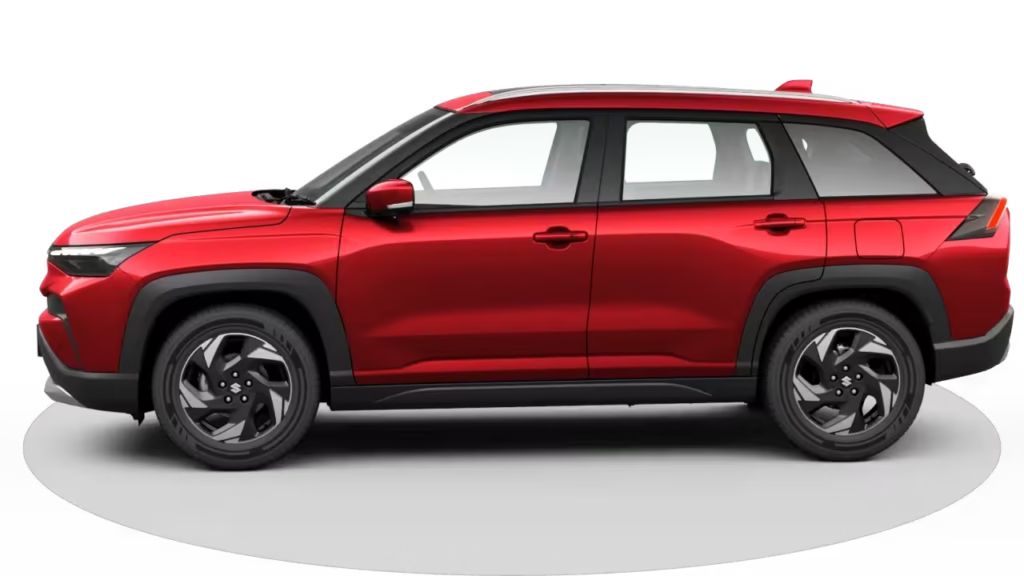
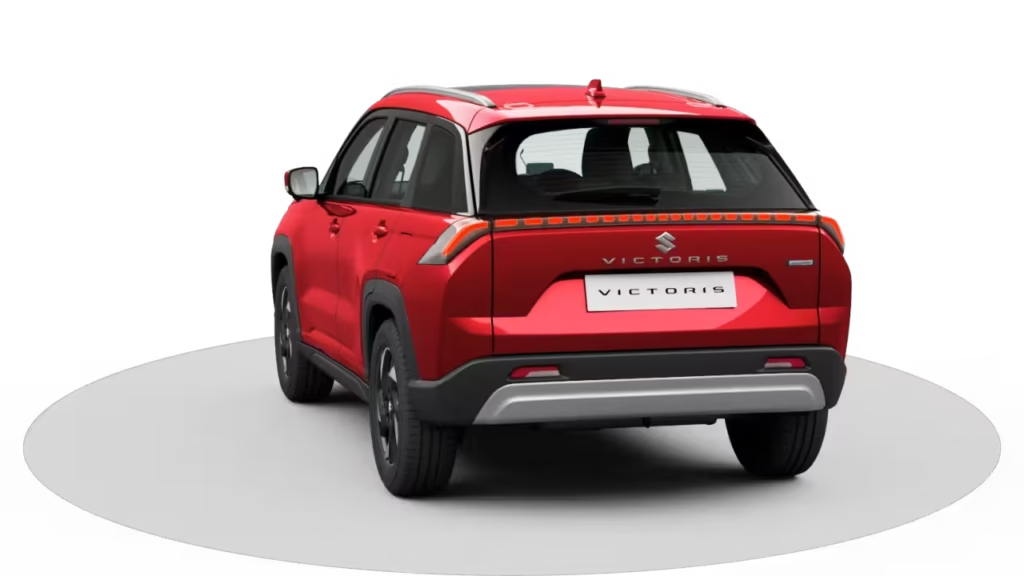
The Victoris offers nine exterior shades to suit different tastes. Three dual-tone combinations are available: Eternal Blue with Bluish Black roof, Sizzling Red with Bluish Black roof, and Splendid Silver with Bluish Black roof. Six monotone options include Mystic Green (new introduction), Bluish Black, Splendid Silver, Magma Grey, Eternal Blue, and Pearl Arctic White.
Interior themes vary by powertrain choice. Petrol and CNG variants get a dual-tone Black and Ivory interior with silver accents that creates an airy, premium feel. The Strong Hybrid variants feature an all-black cabin with champagne gold accents for a more sophisticated, upmarket appearance.
Color selection tips: Dark colors like Bluish Black and Magma Grey hide dust better but show scratches more prominently and absorb more heat. Lighter shades like Pearl Arctic White stay cooler in the sun but require more frequent washing to look pristine. The dual-tone options add visual interest and are increasingly popular among SUV buyers.
Resale consideration: Conservative colors like white, silver, and grey typically have better resale value and broader appeal. Bold colors like red and the new Mystic Green make a statement but may limit your buyer pool when you eventually sell. The dual-tone Black and Ivory interior looks premium but may show stains more easily than all-black.
10. What is the price of the Maruti Suzuki Victoris, and which variant offers the best value?
The Victoris range starts at Rs 10.99 lakh for the LXi petrol manual variant and extends to Rs 18.79 lakh for the Strong Hybrid ZXi+ (O), all prices ex-showroom. This positioning puts it squarely in competition with the Hyundai Creta, Kia Seltos, MG Astor, and even the closely-related Grand Vitara and Toyota Hyryder.
Standard warranty coverage is 3 years or 1,00,000 km, whichever comes first, and can be extended to 6 years or 1,60,000 km for additional peace of mind. Given Maruti’s extensive service network of over 4,000 touchpoints across India, maintenance accessibility is a strong point.
Variant-wise recommendations:
Best value for money: The VXi or ZXi petrol manual variants offer a strong feature set at reasonable prices, including essential safety kit and decent convenience features. For most buyers, these mid-spec variants hit the sweet spot.
Best for daily commuters: The ZXi automatic provides hassle-free city driving with adequate features. If your commute involves heavy traffic, the automatic transmission justifies its premium.
Best for enthusiasts: The ZXi+ (O) Strong Hybrid combines maximum efficiency with top-tier features including Level 2 ADAS, panoramic sunroof, and premium audio. While expensive, it’s still more affordable than premium rivals with similar tech.
Best for budget-conscious: The CNG variants (VXi and ZXi) offer dramatically lower running costs if you have access to CNG infrastructure. The initial price premium over petrol is modest and can be recovered quickly.
Skip these: The base LXi variant misses too many features that have become expected at this price point. Similarly, the ALLGRIP variant is only worth it if you genuinely need AWD capability. For most buyers, it’s an expensive addition with limited real-world benefit.
Should You Buy the Maruti Suzuki Victoris?
The Maruti Suzuki Victoris makes a compelling case for itself in India’s crowded SUV segment. Its strong hybrid option delivers genuinely impressive fuel efficiency, the comprehensive safety package with standard six airbags is commendable, and the feature list rivals vehicles costing significantly more.
Buy it if:
You prioritize fuel efficiency and want hybrid technology at accessible pricing. You value Maruti’s extensive service network and strong resale value. You want modern features like ADAS without stretching to premium brands. You drive high annual mileage (20,000+ km) where the hybrid’s efficiency pays off. You prefer SUV styling and practicality without jumping to the Rs 15+ lakh segment.
Think twice if:
You want a powerful, turbocharged engine for spirited driving. You need a true seven-seater (Victoris is a five-seater). You prioritize brand prestige and are willing to pay more for Korean or European alternatives. You want the absolute latest in connected car tech and digital displays. You drive less than 10,000 km annually (hybrid premium won’t be justified).
Key competitors to cross-shop: Hyundai Creta (more premium feel, better features), Kia Seltos (sportier styling, tech-heavy), MG Astor (value-packed features), Grand Vitara/Hyryder (mechanically similar hybrid systems), and Tata Nexon (more affordable, strong safety record).
The Victoris represents Maruti’s serious push into the premium SUV territory while maintaining the brand’s core strengths of fuel efficiency, reliability, and widespread service access. For buyers who prioritize practical considerations over badge value, it’s definitely worth a test drive and serious consideration.
Frequently Asked Questions
Q: What is the waiting period for the Maruti Suzuki Victoris?
Waiting periods vary by location and variant, with popular Strong Hybrid and top-spec variants typically having longer waits. Contact your local Maruti Arena dealership for current wait times in your area.
Q: Does the Victoris Strong Hybrid need to be charged externally?
No, the Strong Hybrid is a self-charging hybrid system. The battery charges through regenerative braking and the engine. There’s no plug-in requirement.
Q: What is the service cost for the Victoris?
Maruti typically offers competitive service costs, with routine maintenance ranging from Rs 3,000-6,000 depending on service type. Hybrid variants may have slightly higher costs due to additional components, but Maruti’s extensive network keeps costs reasonable.
Q: How does the Victoris compare to the Grand Vitara?
The Victoris and Grand Vitara share the same hybrid powertrain but are positioned differently. The Grand Vitara is sold through Nexa dealerships with potentially more premium positioning, while the Victoris targets the Arena network’s wider reach. Feature sets and pricing are similar, so dealer experience and availability may influence your choice.
Q: Is the CNG kit factory-fitted?
Yes, the CNG variants come with factory-fitted S-CNG kits, ensuring proper integration, warranty coverage, and safety compliance compared to aftermarket conversions.
Q: What is the boot space in the Victoris?
While official boot capacity figures weren’t specified in the launch details, expect adequate cargo space for family luggage. The CNG variants will have reduced boot space due to the CNG tank placement.
Maruti Suzuki Victoris Specifications
Maruti Suzuki Victoris
Rs 10.99 – 18.79 Lakh (Ex-showroom)
| Range/Mileage (ARAI Certified) | |
|---|---|
| Petrol Manual (MT) | 21.18 km/l |
| Petrol Automatic (AT) | 21.06 km/l |
| Petrol ALLGRIP AWD (AT) | 19.07 km/l |
| CNG (S-CNG) | 27.02 km/kg |
| Strong Hybrid (e-CVT) | 28.65 km/l |
| Engine Specifications | |
|---|---|
| Petrol Engine | 1.5L K15C Smart Hybrid |
| Petrol Power/Torque | 103.06 PS @ 6,000 rpm / 139 Nm @ 4,400 rpm |
| CNG Power/Torque | 92 PS / 121.5 Nm |
| Hybrid Engine | 1.5L M15D Strong Hybrid |
| Hybrid Power/Torque | 92.45 PS (combined) / 141 Nm (motor) |
| Transmission Options | 5-speed MT / 6-speed AT / e-CVT |
| Key Features | |
|---|---|
| Airbags | 6 (Standard across all variants) |
| Level 2 ADAS | Yes (Top variants: ZXi+ (O)) |
| 360° Camera | Yes (11 viewing modes) |
| Infotainment | 10.1″ SmartPlay Pro X / 7″ SmartPlay Pro |
| Panoramic Sunroof | Yes (Zxi (O), Zxi+ (O) only) |
| Ventilated Seats | Front (Top variants) |
| Audio System | 8 Infinity by Harman speakers, Dolby Atmos |
| Connected Tech | Suzuki Connect (60+ features) |
| AWD System | ALLGRIP Select (ZXi+ (O) AT only) |
| Ambient Lighting | 64 colours (Top variants) |
| Safety Features | |
|---|---|
| ESP & Traction Control | Standard |
| Hill Hold Assist | Standard |
| Hill Descent Control | ALLGRIP variant |
| TPMS | Standard |
| Parking Sensors | Front & Rear |
| Electronic Parking Brake | Yes (with Auto Hold) |
| Brake Assist | Standard |
| Dimensions & Specifications | |
|---|---|
| Length | 4,360 mm |
| Width | 1,795 mm |
| Height | 1,655 mm |
| Wheelbase | 2,600 mm |
| Ground Clearance | 195 mm |
| Turning Radius | 5.4 m |
| Wheels | 17-inch Aero-cut alloys |
| Available Variants | |
|---|---|
| Petrol Manual | LXi, VXi, ZXi, ZXi (O), ZXi+ (O) |
| Petrol Automatic | VXi, ZXi, ZXi (O), ZXi+ (O) |
| CNG (S-CNG) | VXi, ZXi (Manual only) |
| Strong Hybrid | ZXi, ZXi (O), ZXi+ (O) (e-CVT) |
| ALLGRIP AWD | ZXi+ (O) AT (Petrol only) |
| Warranty | |
|---|---|
| Standard | 3 years / 1,00,000 km |
| Extended (Optional) | Up to 6 years / 1,60,000 km |
Disclaimer: All prices mentioned are ex-showroom and may vary by location. On-road prices will be higher after including registration, insurance, and local taxes. ARAI mileage figures are obtained under controlled test conditions; real-world mileage may vary based on driving habits, traffic conditions, vehicle maintenance, and load. Features and specifications mentioned are based on official launch information and may vary by variant. Please verify all details with your local Maruti Suzuki Arena dealership before making purchase decisions.
Related Reading: For a complete performance, ride quality, and comfort breakdown, check out our in-depth Maruti Suzuki Victoris Review.