The Tiguan AllSpace successor is finally here. But does the Tayron deserve your attention and your money?
Volkswagen has been teasing the Indian market for years now. After discontinuing the Tiguan AllSpace in 2021, the brand left a gaping hole in its premium three-row SUV lineup. That void is finally being addressed with the Volkswagen Tayron R-Line, a vehicle that promises to bring genuine German engineering back to the segment that desperately needs it.
But here is the real question: In a market where the Skoda Kodiaq, Jeep Meridian, and Toyota Fortuner have established themselves as default choices, what does the Tayron bring that justifies the German premium? Let us break it down without the marketing fluff.
The Basics: What Exactly Is the Tayron?
The Volkswagen Tayron is essentially a stretched version of the Tiguan, built on the same MQB EVO platform but with a longer wheelbase to accommodate a third row of seats. Think of it as what the Tiguan AllSpace should have been, more refined, more feature-rich, and more aligned with 2025 buyer expectations.
Globally, the Tayron is available in both 5-seater and 7-seater configurations, with multiple powertrain options including diesel and plug-in hybrid variants. India, however, will receive only the 7-seater configuration with a petrol powertrain. This makes strategic sense because the Indian premium SUV buyer typically wants maximum seating capacity, and diesel demand in this segment has collapsed post-BS6 Phase 2 norms.
The India-spec Tayron will arrive as a CKD (Completely Knocked Down) unit, assembled at Volkswagen’s Aurangabad facility. This is crucial for pricing because a CBU import would have pushed the Tayron well beyond Rs 60 lakh, making it uncompetitive against the locally assembled Kodiaq.
Design: Familiar Yet Distinctly Premium
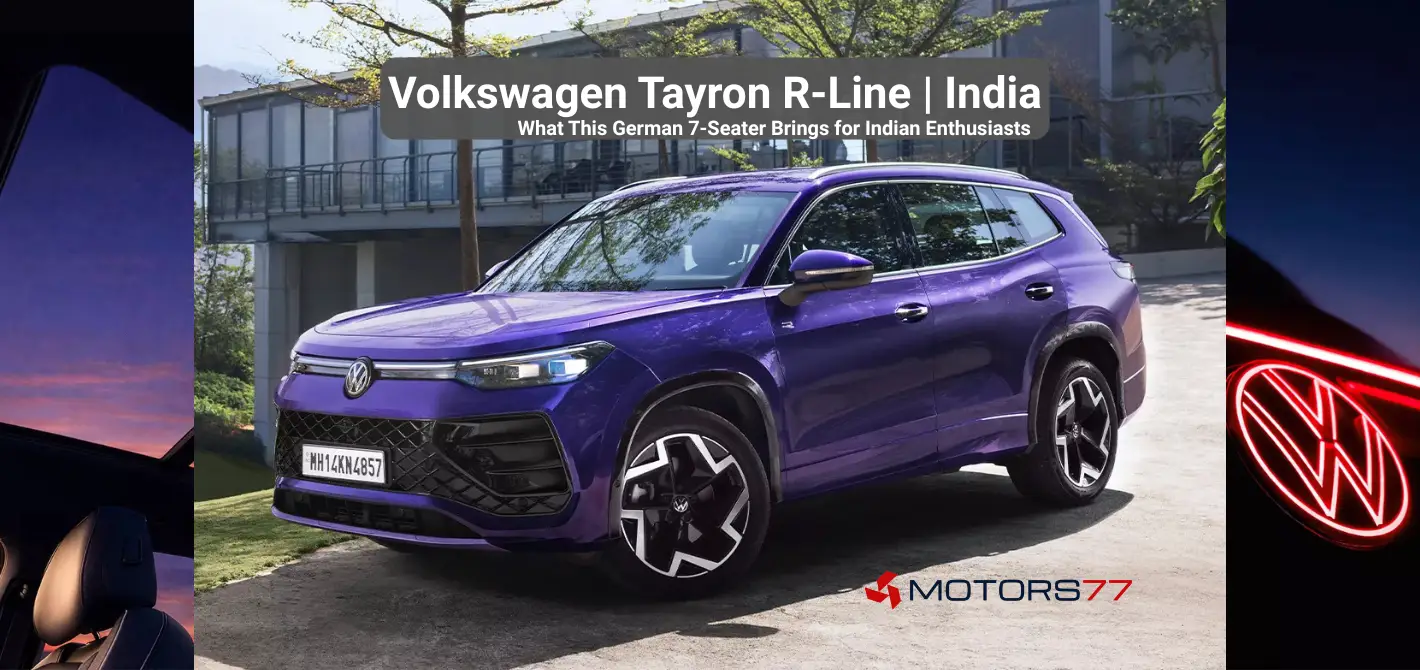
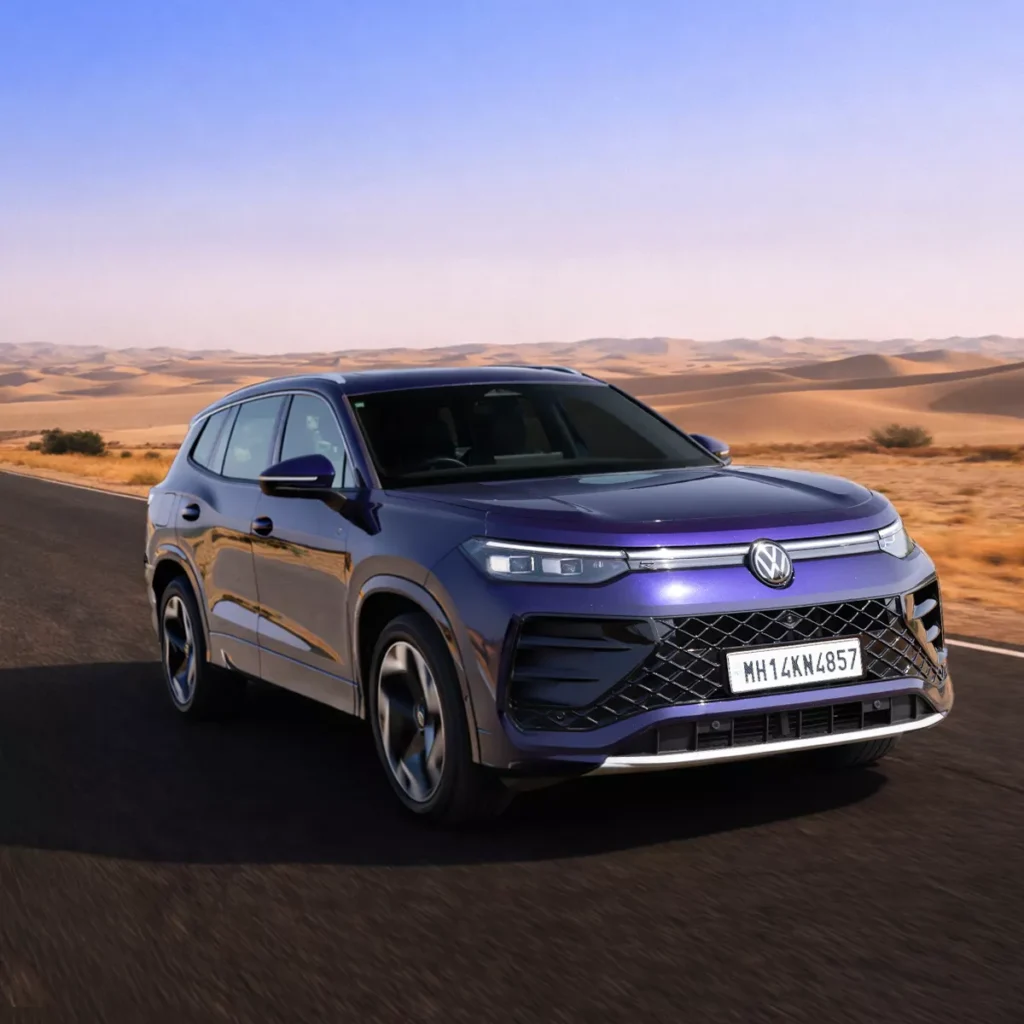
If you have seen the new Tiguan R-Line that launched in India in April 2025, the Tayron’s design language will feel immediately familiar. The face shares the same DNA with dual-pod projector LED headlamps connected by a sleek illuminated light bar that spans the entire width of the grille. It is a design signature that is becoming increasingly common across segments, but Volkswagen executes it with restraint and sophistication.
Exterior Highlights
The R-Line variant, which is the only trim India will receive, adds several sporty elements:
- Aggressive front and rear bumpers with R-Line specific styling
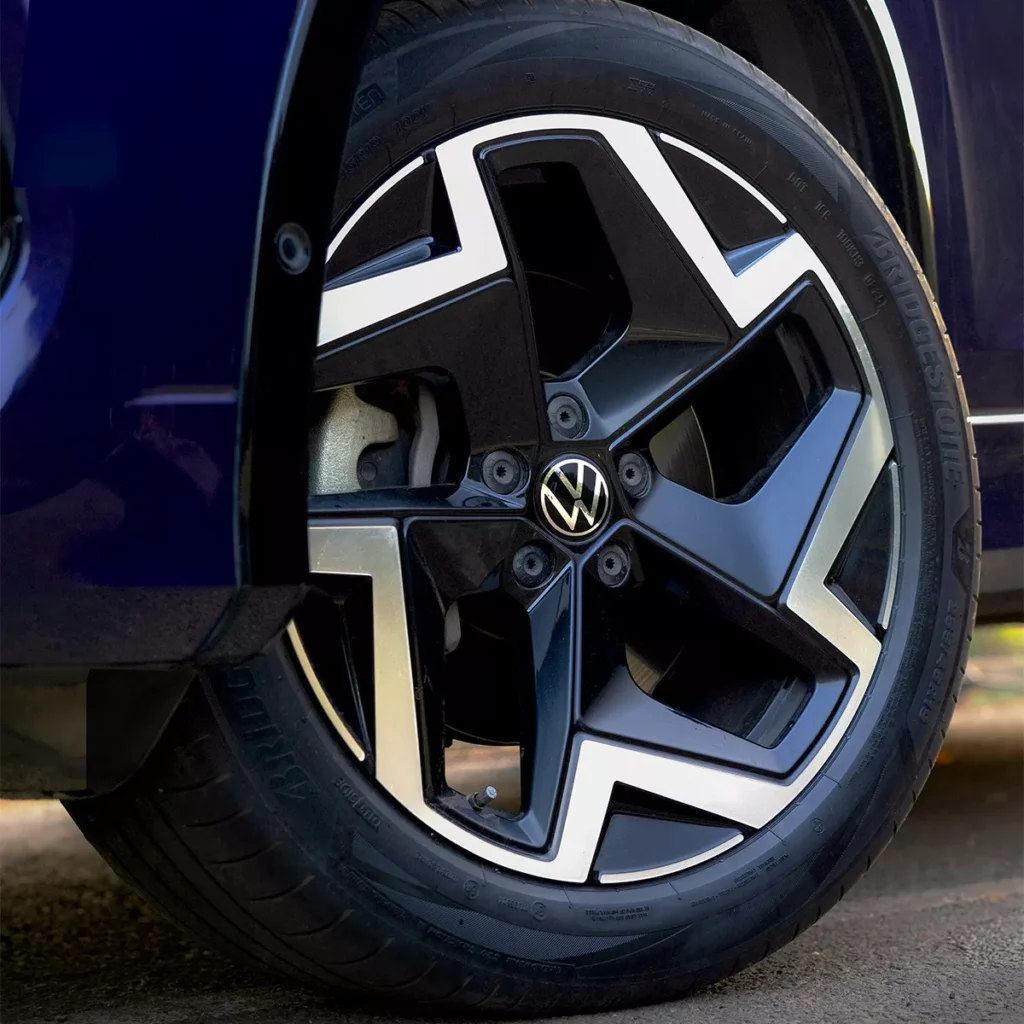
- 19-inch alloy wheels in a dual-tone finish
- Signature ‘R’ badge on the front doors
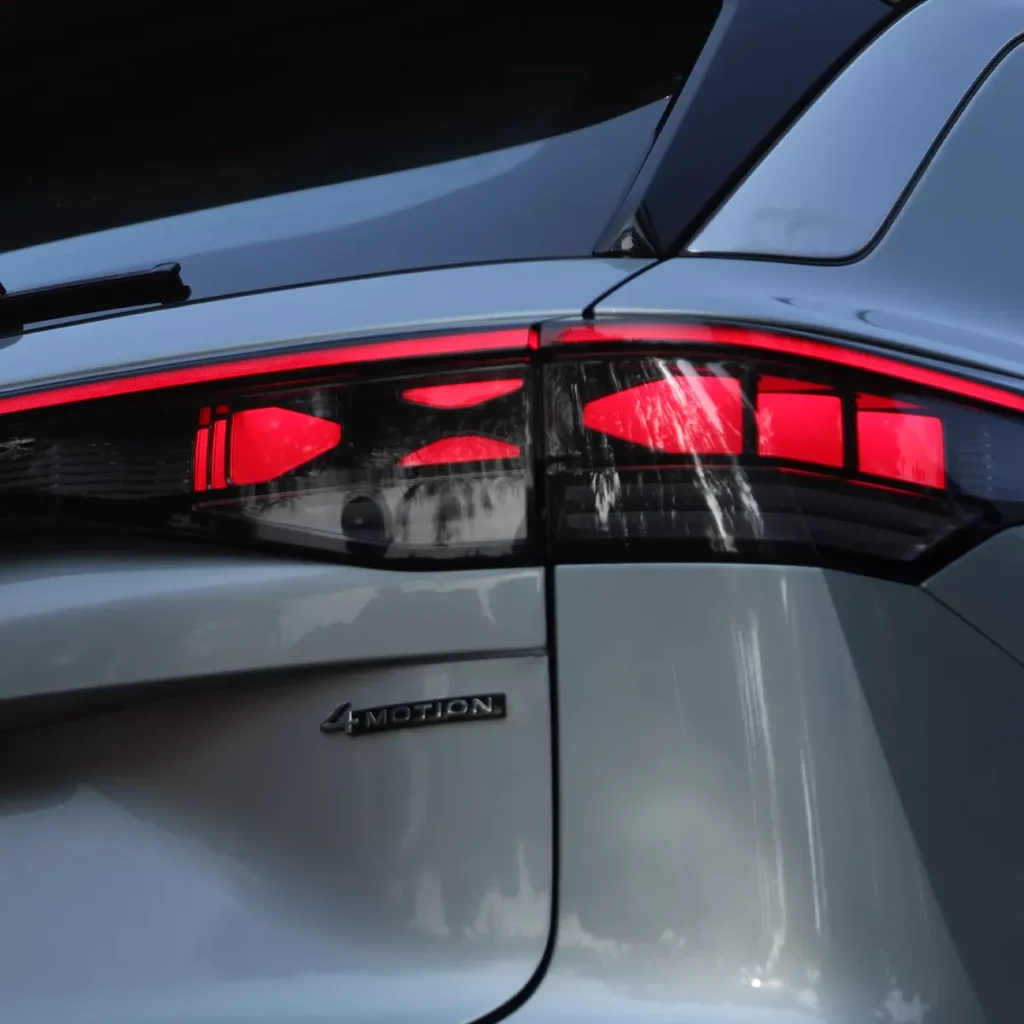
- Connected LED tail lamps with arrow-like lighting elements
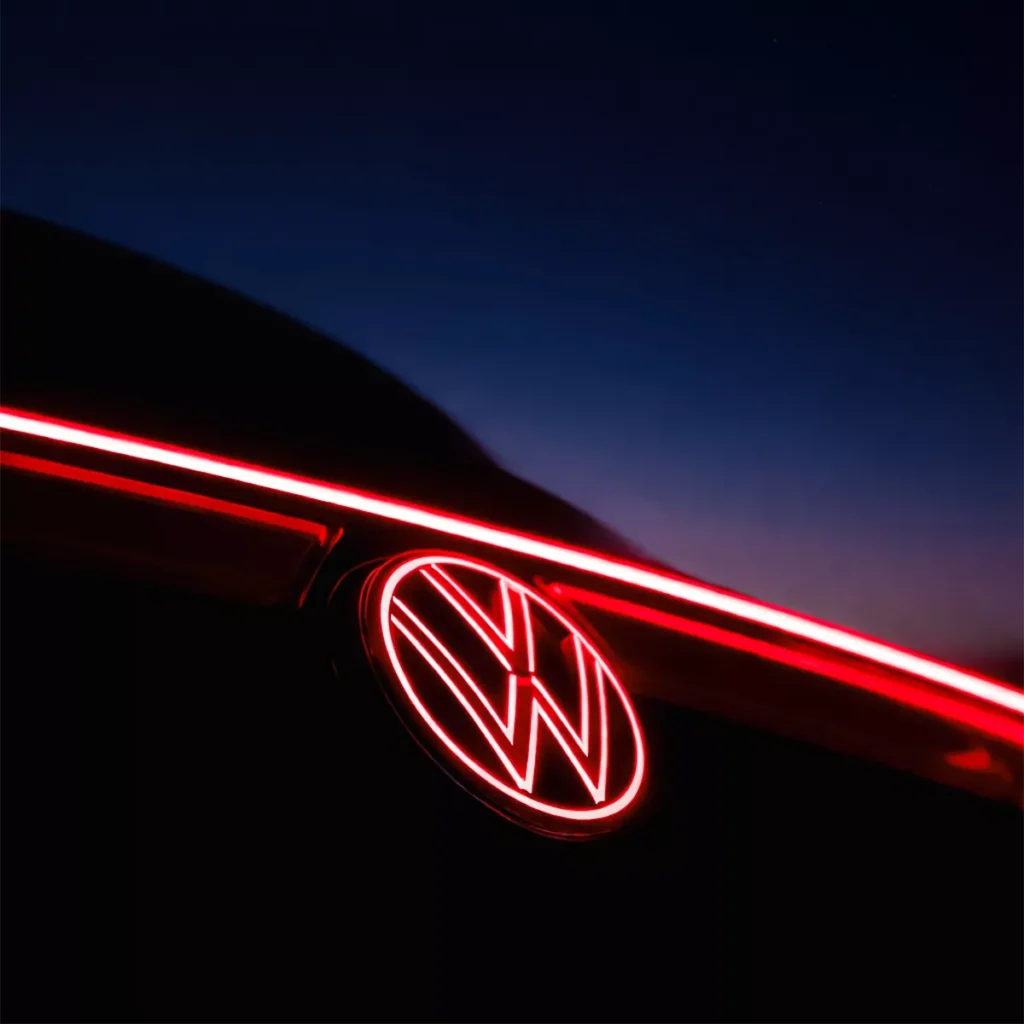
- Illuminated Volkswagen logo at the rear
- Subtle cuts and creases on the tailgate for visual interest
The overall stance is muscular without being ostentatious, which should appeal to buyers who want a premium presence without the bling factor that characterises some Japanese offerings.
Where the Tayron truly differentiates itself from the Tiguan is in its proportions. The 231mm increase in length over the standard Tiguan translates to a significantly more imposing road presence. At first glance, you will not mistake this for a compact SUV because the Tayron commands attention in a way that is appropriate for its price point.
Interior: Where the German Premium Actually Shows
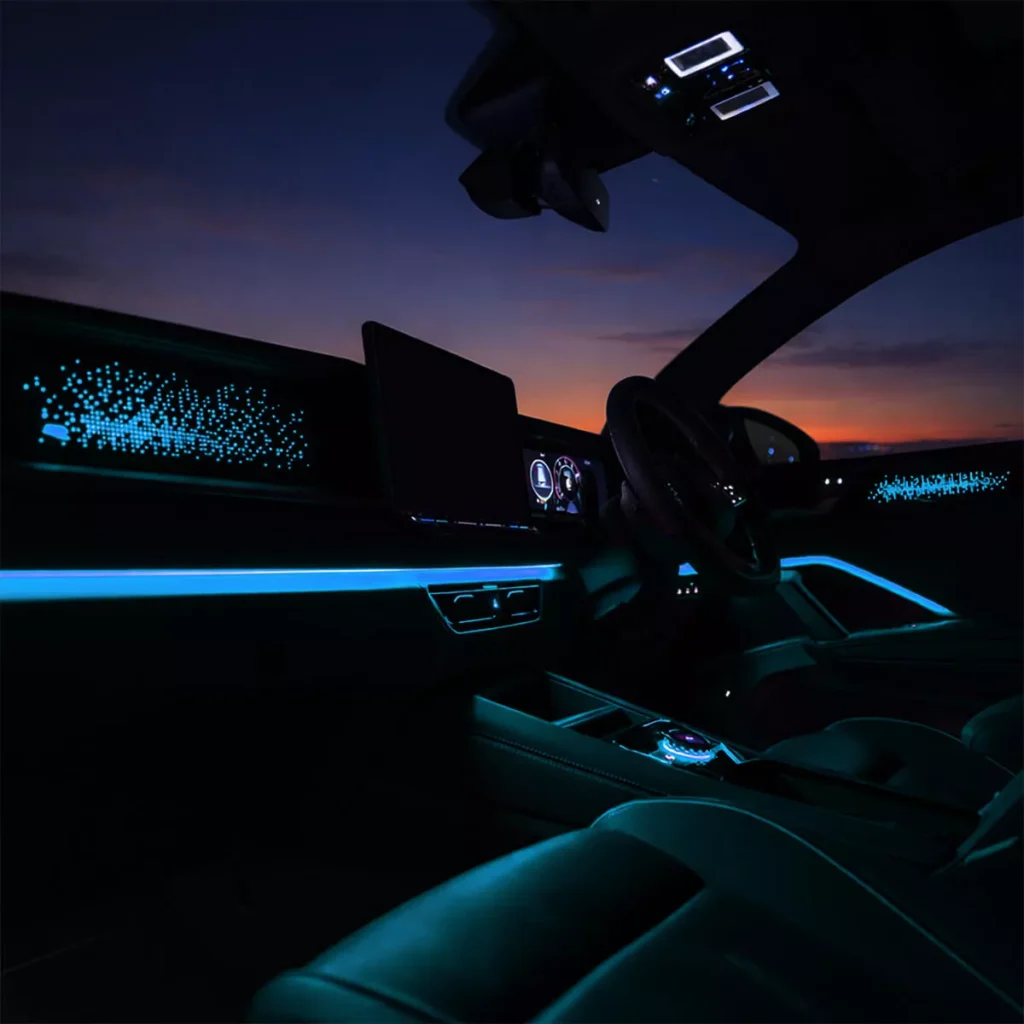
This is where Volkswagen traditionally excels, and the Tayron does not disappoint. The cabin follows the brand’s current design philosophy which is minimalist, driver-focused, and impeccably assembled. The all-black theme with staggered ambient lighting creates an atmosphere that is premium without being overwrought.
Tech and Infotainment
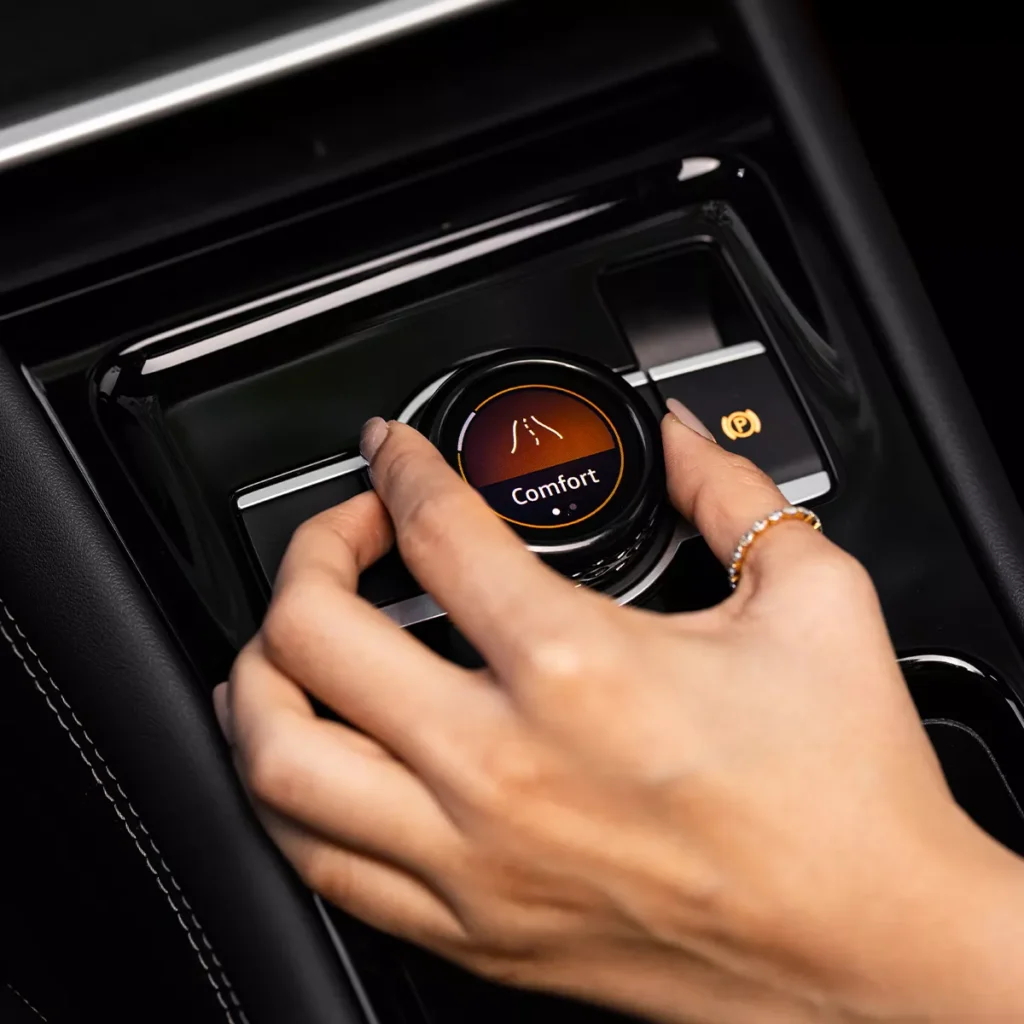
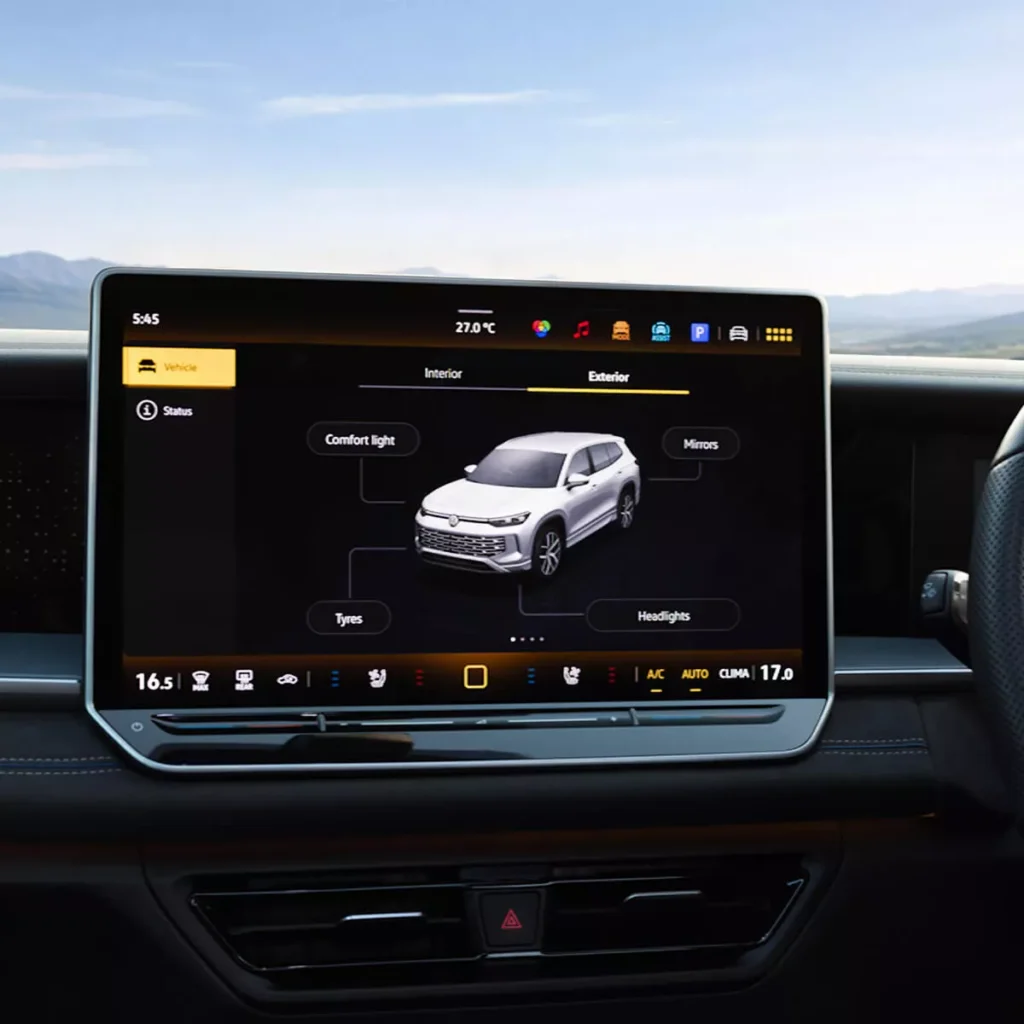
The centrepiece of the dashboard is a 15-inch touchscreen infotainment system, tilted towards the driver for better ergonomics. This is paired with a 10.25-inch digital instrument cluster that offers customisable layouts depending on the drive mode selected. The user interface has been refined compared to earlier Volkswagen systems, making it more responsive, more intuitive, and finally catching up with what competitors have been offering.
Comfort and Convenience Features
Material quality is where the German advantage becomes apparent. Soft-touch plastics dominate the upper dashboard, the leather upholstery feels genuine, and panel gaps are tight enough to satisfy the most obsessive buyer. This is not the kind of interior where you will find hard plastics in unexpected places or inconsistent textures across surfaces.
The feature list is comprehensive and includes:
- Wireless charging pad
- Three-zone automatic climate control
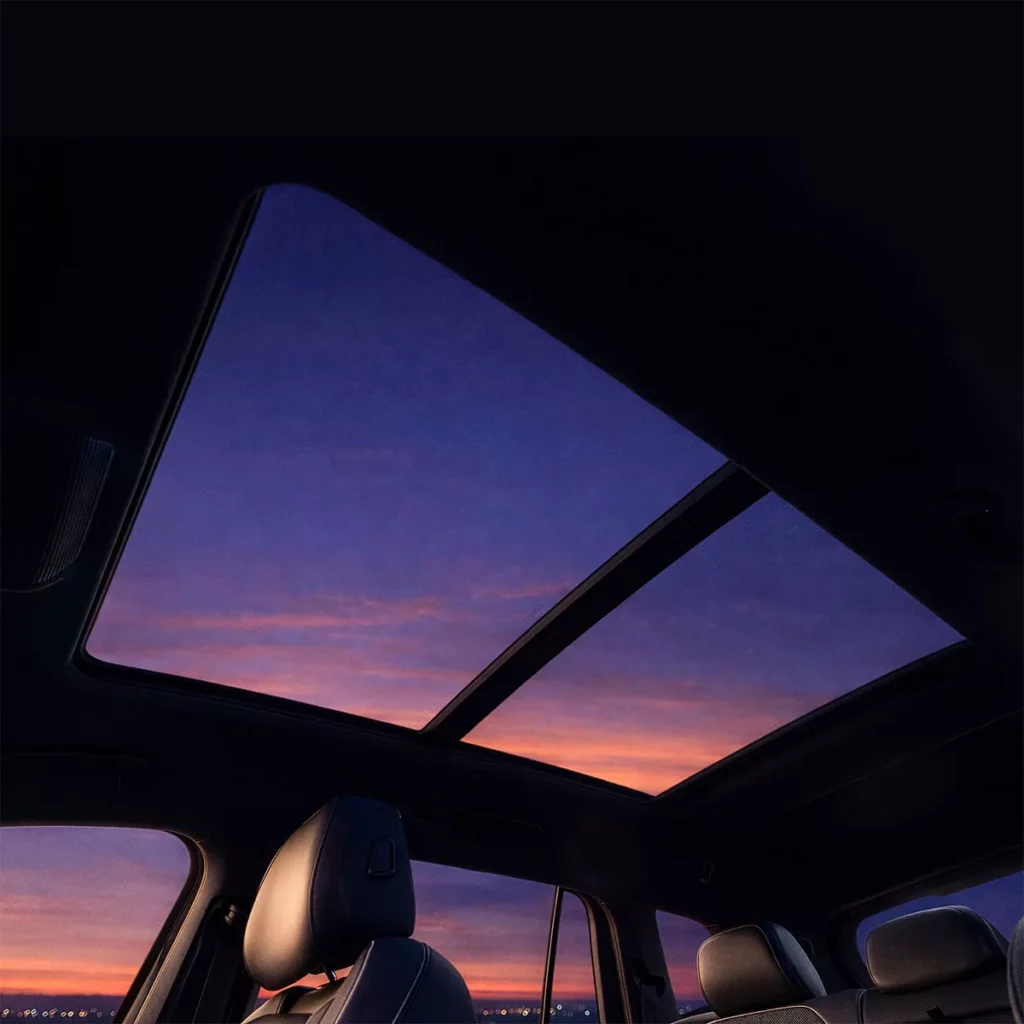
- Panoramic sunroof
- Ventilated and heated front seats with massage function
- Ambient lighting with multiple colour options
- 360-degree camera system
- Harman Kardon sound system with 700W output and 16 speakers
Third Row Reality Check
What about the third row? This is where most 7-seaters in this segment fall short, and the Tayron is no exception. The third row is best suited for children or short-distance journeys. Adults can fit, but they will not be comfortable for extended periods. However, with the third row folded, the Tayron offers up to 850 litres of boot space, which is competitive for the segment.
Powertrain: The Familiar TSI Heart
The India-spec Tayron R-Line will be powered by the same 2.0-litre TSI turbocharged petrol engine that does duty in the Tiguan R-Line. This unit produces 204 PS of power and 320 Nm of torque. These figures are adequate rather than exciting, but perfectly suited for the vehicle’s character.
Performance Numbers
- Engine: 2.0-litre TSI turbocharged petrol
- Power Output: 204 PS
- Torque: 320 Nm
- Transmission: 7-speed DSG dual-clutch automatic
- Drivetrain: 4Motion AWD
- 0-100 kph: 7.3 seconds
- Top Speed: 224 kph (electronically limited)
Power is transmitted through a 7-speed DSG dual-clutch automatic gearbox to all four wheels via Volkswagen’s 4Motion all-wheel-drive system.
Real-World Driving Experience
What the spec sheet does not tell you is how this powertrain feels in real-world driving conditions. Based on our experience with the Tiguan R-Line, which shares this exact powertrain, the Tayron should deliver a refined and composed driving experience. The 2.0 TSI is known for its linear power delivery, minimal turbo lag, and excellent refinement at highway speeds. The DSG gearbox, despite criticism in traffic-heavy conditions for occasional low-speed jerkiness, is quick and decisive when pushed.
The 4Motion AWD system adds genuine capability. While this is not a vehicle you would take rock-crawling, it provides meaningful confidence on wet roads, loose surfaces, and the occasional unpaved section. For most buyers in this segment, the AWD badge is as much about bragging rights as it is about practical capability, but the Tayron delivers both.
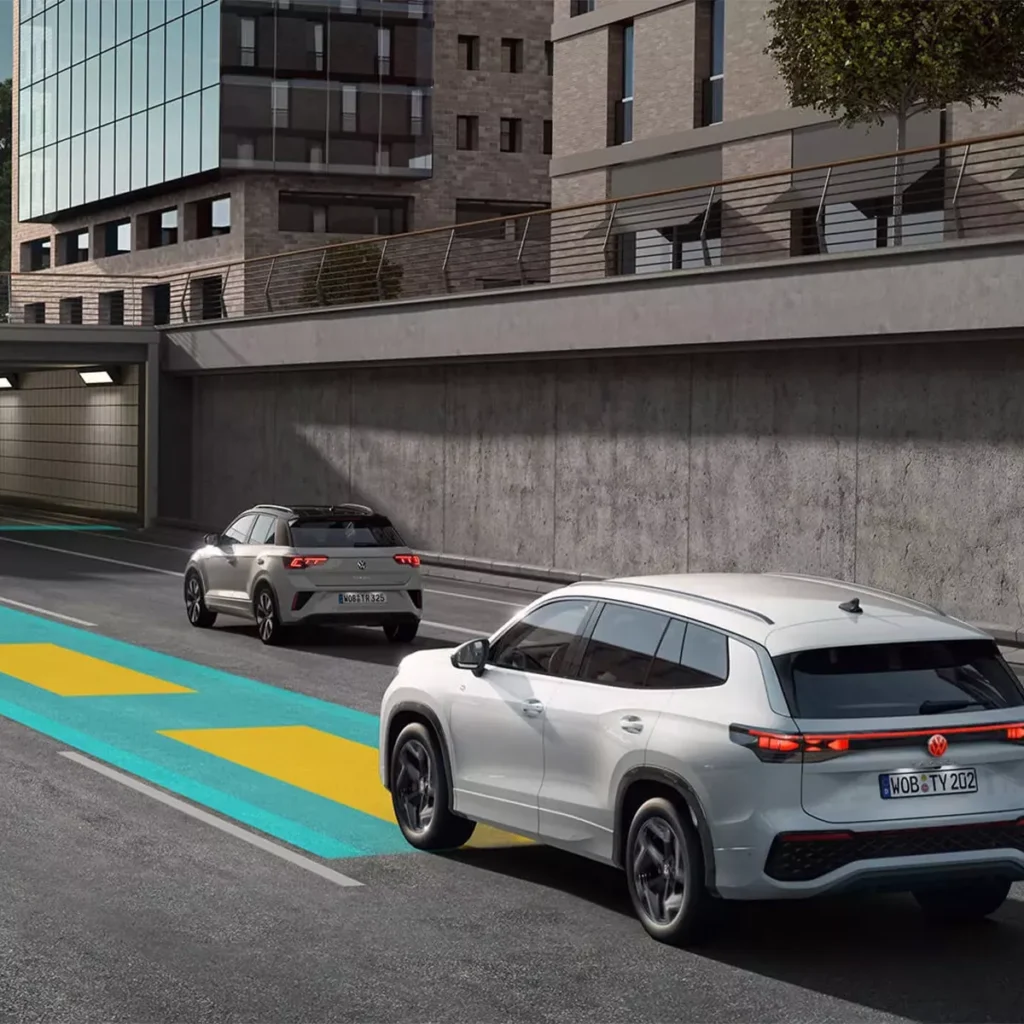
Safety: 5-Star Euro NCAP with Level 2 ADAS
The Tayron R-Line achieved a 5-star rating in Euro NCAP crash tests in 2025, which provides some reassurance about structural integrity. However, Indian crash test protocols differ from European ones, and Global NCAP testing for the India-spec model remains to be seen.

ADAS and Safety Features
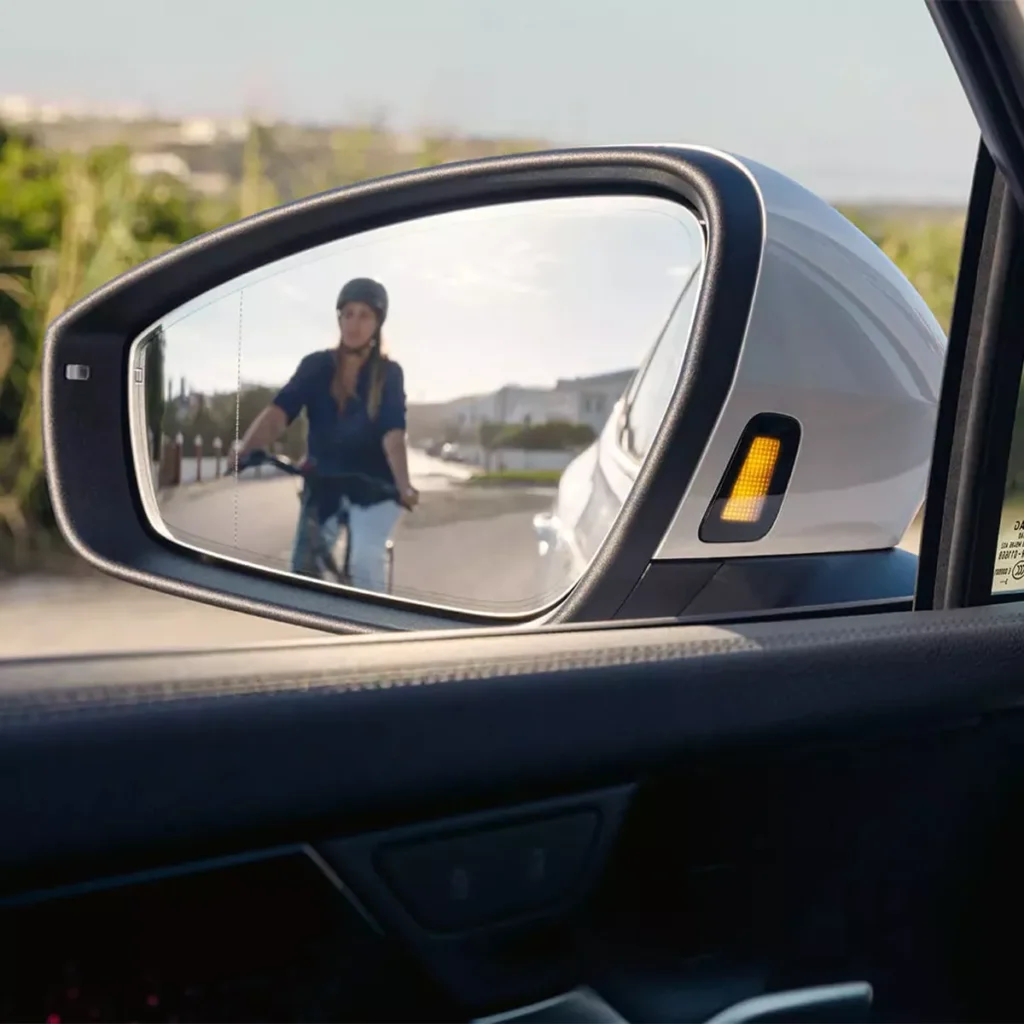
What we do know is that the Tayron will come equipped with a comprehensive Level 2 ADAS suite including:
- Adaptive cruise control with stop-and-go functionality
- Lane keep assist
- Lane departure warning
- Autonomous emergency braking
- Blind spot monitoring
- Rear cross-traffic alert
Standard safety equipment includes six airbags, ABS with EBD, electronic stability control, ISOFIX child seat anchors, tyre pressure monitoring, and a seat belt reminder system for all occupants.
Ownership Considerations: What VW Does Not Tell You
Before you sign that booking form, there are practical considerations worth examining. Volkswagen’s after-sales service network in India has improved significantly over the past few years, but it still does not match the reach of Toyota, Hyundai, or even Mahindra. If you live in a tier-2 or tier-3 city, verify that authorised service centres exist within reasonable driving distance.
Running Costs
Maintenance costs for the TSI engines are higher than naturally aspirated equivalents. The DSG gearbox requires periodic fluid changes that do not come cheap. Insurance premiums for vehicles in this price bracket are substantial, and spare parts pricing, while competitive with European rivals, is significantly higher than Japanese or Korean alternatives.
That said, Volkswagen offers a standard warranty of 4 years or 1,00,000 kilometres, which provides reasonable peace of mind. Extended warranty packages are available for those who plan to keep the vehicle long-term.
Fuel Efficiency
Fuel efficiency is another practical consideration. The 2.0 TSI with AWD is not going to return impressive numbers. Expect real-world figures in the 8-10 km/l range in mixed driving conditions. For a vehicle of this size and performance, that is acceptable, but if running costs are a primary concern, you are shopping in the wrong segment.
Resale Value
Resale value is something to consider as well. Volkswagen vehicles traditionally have not commanded the same resale premiums as Japanese SUVs in India, though the brand’s reputation has improved significantly since the India 2.0 strategy took effect. The Tayron, being a premium offering, may hold value better than entry-level Volkswagen models, but do not expect Fortuner-like depreciation resistance.
Competition Comparison: How Does Tayron Stack Up?
| Feature | VW Tayron R-Line | Skoda Kodiaq | Toyota Fortuner | Jeep Meridian |
|---|---|---|---|---|
| Engine | 2.0L TSI Petrol | 2.0L TSI Petrol | 2.8L Diesel | 2.0L Diesel |
| Power | 204 PS | 204 PS | 204 PS | 170 PS |
| Torque | 320 Nm | 320 Nm | 500 Nm | 350 Nm |
| Drivetrain | AWD | AWD | 4×4 | AWD |
| Transmission | 7-speed DSG | 7-speed DSG | 6-speed AT | 9-speed AT |
| Seating | 7 | 7 | 7 | 7 |
| Safety Rating | 5-star Euro NCAP | 5-star Euro NCAP | Not Tested | 4-star GNCAP |
| Expected Price | Rs 45-50 Lakh | Rs 42-50 Lakh | Rs 35-52 Lakh | Rs 30-40 Lakh |
Key Takeaways from Comparison
The Kodiaq comparison is particularly interesting because both vehicles are essentially siblings sharing the same platform and powertrain. The differentiation comes down to design preference, brand loyalty, and feature prioritisation. The Tayron’s R-Line trim offers a sportier aesthetic compared to the Kodiaq’s more conventional SUV styling.
Against the Fortuner, the Tayron offers a more refined driving experience and superior interior quality, but lacks the Toyota’s legendary reliability reputation and diesel option.
The Meridian undercuts the Tayron significantly on price but does not match its feature richness or premium feel.
The Verdict: Who Should Buy the Tayron?
The Volkswagen Tayron R-Line makes sense for a specific buyer profile: someone who prioritises driving dynamics, build quality, and interior refinement over raw practicality or value-for-money calculations.
Buy the Tayron If:
- You want German build quality and driving dynamics
- Interior refinement matters more than third-row space
- You prefer petrol over diesel powertrains
- AWD capability is important for your driving conditions
- Brand perception and exclusivity matter to you
Skip the Tayron If:
- Maximum third-row comfort is essential
- Resale value is a primary concern
- You need diesel efficiency for high-mileage use
- Service network accessibility is limited in your area
- You are strictly value-conscious
If you are cross-shopping with the Kodiaq, the decision comes down to design preference. Both vehicles will deliver similar ownership experiences in terms of performance, reliability, and running costs. Pick the one whose styling resonates more with you.
If you are considering the Fortuner, ask yourself honestly how often you will use that third row and whether the Toyota’s ruggedness and resale value matter more than the Tayron’s premium quotient.
The Tayron represents Volkswagen’s most serious attempt at the premium 7-seater segment in India. It is not revolutionary, but it is thoroughly competent. In a segment where execution matters more than innovation, that competence could be its strongest selling point.
Quick Specifications
| Specification | Details |
|---|---|
| Engine | 2.0-litre TSI turbocharged petrol |
| Power | 204 PS |
| Torque | 320 Nm |
| Transmission | 7-speed DSG automatic |
| Drivetrain | 4Motion AWD |
| 0-100 kph | 7.3 seconds |
| Top Speed | 224 kph (electronically limited) |
| Boot Space | Up to 850 litres (third row folded) |
| Safety Rating | 5-star Euro NCAP |
| Expected Price | Rs 45-50 lakh (ex-showroom) |
| Expected Launch | Late January 2026 |
Motors77 is committed to independent automotive journalism. This article contains no paid promotions or manufacturer-influenced content.