Motors77 | Latest Auto News - Cars, Bikes & EV Updates
  • Home
  • CARS
    • India Car News
    • International Car News
    • New Car Launches
    • Upcoming Cars
  • BIKES
    • India Bike News
    • International Bike News
    • New Bike Launches
    • Upcoming Bikes
  • ELECTRIC
    • Electric Cars
    • Electric Bikes
  • REVIEWS
    • Bike
    • Car
    • Features
    • Fuel Cost Calculator
No Result
View All Result
Motors77 | Latest Auto News - Cars, Bikes & EV Updates
  • Home
  • CARS
    • India Car News
    • International Car News
    • New Car Launches
    • Upcoming Cars
  • BIKES
    • India Bike News
    • International Bike News
    • New Bike Launches
    • Upcoming Bikes
  • ELECTRIC
    • Electric Cars
    • Electric Bikes
  • REVIEWS
    • Bike
    • Car
    • Features
    • Fuel Cost Calculator
No Result
View All Result
Motors77 | Latest Auto News - Cars, Bikes & EV Updates
No Result
View All Result
Home CARS

Tata Sierra vs Hyundai Creta: Can the Reborn Icon Dethrone the Segment King?

Vyom Patil by Vyom Patil
November 16, 2025
in CARS, India Car News
0
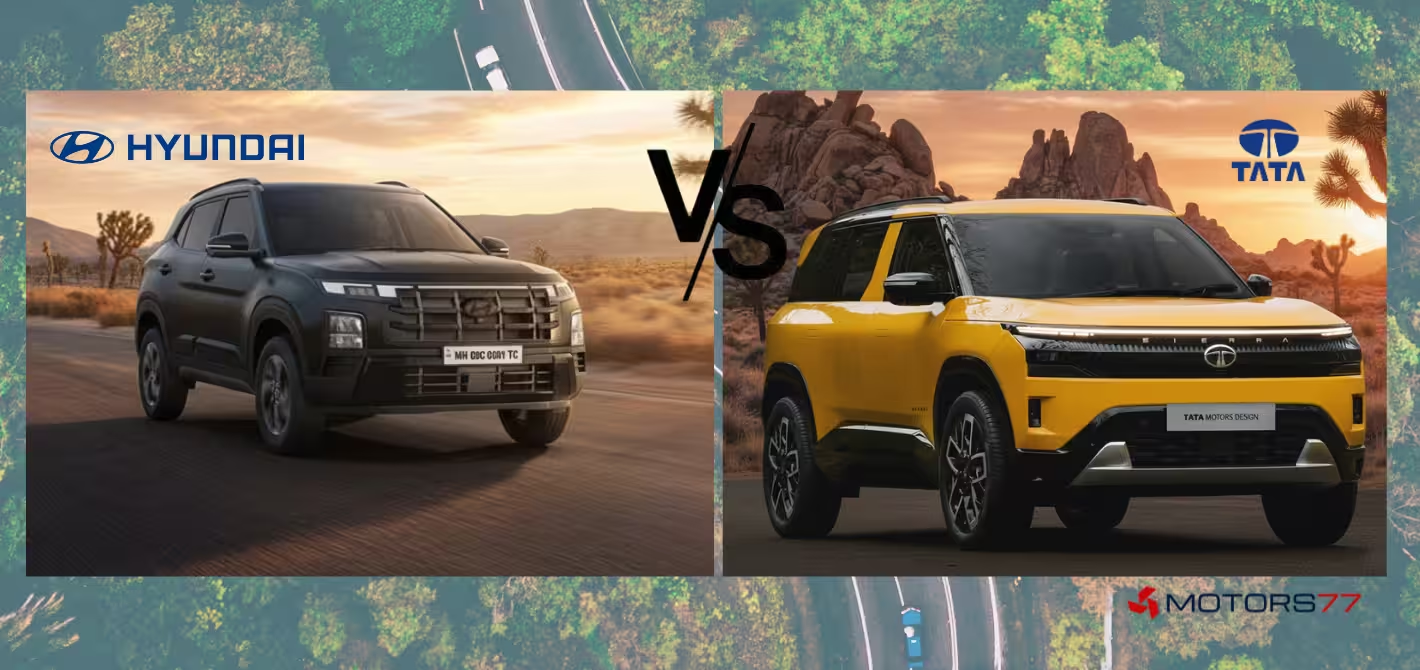
Tata Sierra vs Hyundai Creta comparison image showing both SUVs side by side for a detailed mid-size SUV segment analysis.

Tata Sierra and Hyundai Creta showcased side by side — a visual comparison of two leading mid-size SUVs in India.

11
SHARES
139
VIEWS
Share on FacebookShare on Twitter

Tata Sierra vs Hyundai Creta: The mid-size SUV segment in India is about to witness a seismic shift. On November 25, 2025, Tata Motors will reveal the pricing of the all-new Sierra, marking the return of one of India’s most iconic nameplates after more than two decades. But the real question on everyone’s mind is whether the Sierra has what it takes to challenge the Hyundai Creta, a model that has dominated this segment with an iron grip, commanding over 31% market share.​

If the Tata Sierra gets its fundamentals right and early indications suggest it might the Hyundai Creta could face its toughest competition yet.

You might also like

Hyundai Lounge Edition Launched: The Alcazar Now Costs Rs 90,000 More With Two Fewer Seats

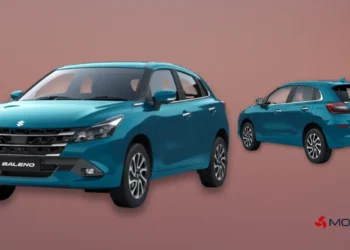
Maruti Suzuki Baleno Facelift First Look: Fewer Cylinders, Less Power, And Why That Trade Works

MG ADAPT Platform Unveiled: Why MG Showed A Chassis When Everyone Expected An SUV

Tata Sierra vs Hyundai Creta: : A Segment King Meets a Reborn Icon

The Creta Fortress: Understanding What Tata is Up Against

Before evaluating the Sierra’s chances, it’s crucial to understand the magnitude of the Creta’s dominance. The Hyundai Creta isn’t just another SUV; it’s a phenomenon that has redefined the mid-size SUV segment since its 2015 launch.​

The numbers tell a compelling story. In October 2025 alone, the Creta sold 18,381 units, maintaining its position as India’s fifth best-selling car and second best-selling SUV. Over its ten-year journey, the Creta has sold over 1.2 million units in India, with annual sales doubling from 92,926 units in 2016 to 186,919 units in 2024. In the first half of 2025, the Creta emerged as the best-selling vehicle across all categories in three out of six months.​

What makes the Creta virtually unshakeable? Industry experts point to a holistic strategy that competitors struggle to replicate. The Creta offers powertrain variety, comprehensive features, strong brand value, excellent resale credentials, and Hyundai’s extensive dealer network. Its resale value remains impressive, depreciating only up to 30% compared to rivals that lose up to 44% of their value. Additionally, Hyundai’s robust after-sales network spans nearly every city, making ownership hassle-free.​

The Sierra’s Arsenal: Built on Strong Fundamentals

Now enters the Tata Sierra, and if first impressions are anything to go by, this SUV has been engineered with the right fundamentals to mount a serious challenge.​

Platform and Build Quality

The foundation of any vehicle determines its long-term durability, safety, and performance. Here, Tata has made no compromises. While the ICE Sierra uses Tata’s Atlas architecture, the upcoming Sierra EV will be built on the advanced Acti.EV platform. Both platforms have been designed with structural integrity and safety as paramount considerations.​

The Acti.EV platform, in particular, demonstrates Tata’s engineering prowess. It has been specifically designed to achieve 5-star ratings in both Global NCAP and Bharat NCAP crash tests. The platform uses high-strength materials and offers modular flexibility, supporting different body styles with outstanding build quality. This is the same philosophy that earned the Tata Altroz its prestigious 5-star Global NCAP rating when built on the ALFA architecture.​

According to Tata Motors’ leadership, “From the start, it was developed on the ALFA architecture a modular, scalable platform that allowed us to engineer high levels of structural stiffness, crash safety, and NVH performance”. The Sierra extends this engineering excellence, promising build quality that could match or exceed segment standards.​

Safety Credentials

Safety has become Tata Motors’ calling card, and the Sierra doesn’t disappoint. Expected safety features include six airbags as standard, a 360-degree camera system, front and rear parking sensors, and a comprehensive Level 2 Advanced Driver Assistance System (ADAS).​

The ADAS suite is expected to include adaptive cruise control, lane-keeping assist, blind-spot detection, autonomous emergency braking, and rear cross-traffic alert. Additional safety technologies include Electronic Stability Control (ESC), electronic parking brake with auto-hold, hill hold assist, tyre pressure monitoring system (TPMS), and ABS with EBD.​

Industry observers confidently predict the Sierra will score 5 stars in Bharat NCAP testing, which would give it a significant advantage over the Creta, which lacks a BNCAP rating.​

Powertrain Options: Performance Meets Efficiency

The Sierra’s engine lineup appears strategically designed to cater to diverse buyer preferences.​

The headline act is a new 1.5-litre turbo-petrol engine producing approximately 168-170 bhp and 280 Nm of torque. This engine will also power the upcoming Harrier and Safari petrol variants, ensuring proven reliability. For those seeking affordable entry, a 1.5-litre naturally aspirated petrol engine will keep pricing competitive.​

Diesel enthusiasts aren’t forgotten either. The Sierra will offer Tata’s familiar 1.5-litre diesel engine, delivering 118 bhp and 260 Nm, available with both manual and automatic transmissions. Some reports suggest a more powerful 2.0-litre diesel option producing 170 PS and 350 Nm could also join the lineup.​

Compared to the Creta’s 1.5-litre petrol (113 bhp, 144 Nm) and 1.5-litre diesel engines, the Sierra’s powertrains offer noticeably higher output. This performance advantage could appeal to buyers seeking a more spirited driving experience.​

Technology and Features: Where Sierra Pulls Ahead

In the technology battle, the Sierra appears to have a clear edge over the Creta.​

Triple-Screen Innovation

The Sierra’s most talked-about feature is its revolutionary triple-screen dashboard setup. This includes a 12.3-inch digital driver’s display, a large central infotainment screen, and a dedicated passenger-side screen that can share functions and media. This configuration significantly outclasses the Creta’s dual 10.25-inch display setup, offering a more immersive and futuristic cabin experience.​

Comprehensive Feature List

The Sierra is expected to come loaded with premium features including a panoramic sunroof, wireless Android Auto and Apple CarPlay, dual-zone climate control, powered and ventilated front seats, wireless charging, and a premium 12-speaker JBL audio system with SonicSoundbar. The inclusion of a powered tailgate, built-in dashcam, and heads-up display (HUD) further elevates its premium quotient.​

While the Creta offers an impressive feature list of its own—including ventilated seats, a Bose sound system, and ADAS—it lacks the powered tailgate and doesn’t match the Sierra’s triple-screen innovation.​

Interior Space and Comfort

The Sierra’s boxy proportions translate to exceptional interior space. The cabin features a black/beige/white theme that conveys a plush, premium feel. Both front and rear occupants get center armrests, and the upright design provides excellent headroom.​

Early reviews highlight that the Sierra offers generous legroom and comfortable seating for five adults. The flat floor design (especially in the EV variant) will eliminate the transmission tunnel, optimizing interior packaging and offering even more rear legroom.​

Design Philosophy: Heritage Meets Modernity

The Sierra’s design strikes a delicate balance between nostalgia and contemporary aesthetics.​

Tata has retained the iconic boxy silhouette that made the original Sierra memorable, but infused it with modern elements like connected LED lighting, dual-tone alloy wheels, and signature glass panels. The wide shoulder lines and upright stance give it a commanding road presence that stands apart from the crowd.​

The Creta, by contrast, follows Hyundai’s “Sensuous Sportiness” design language with sharp lines, split LED headlamps, and a parametric grille. While undeniably attractive, the Creta’s design is more conventional and city-focused compared to the Sierra’s bold, rugged appeal.​

Some critics note that the Creta’s design, despite periodic updates, may age faster than the Sierra’s distinctive character. The Sierra’s retro-inspired modern design could attract buyers wanting a stronger visual identity and a vehicle that stands out.​

Pricing Strategy: The Make-or-Break Factor

Expected pricing for the Sierra ranges from ₹11 lakh to ₹22 lakh (ex-showroom). More specifically, sources suggest the starting price could be around ₹12-13 lakh, extending up to ₹20 lakh for top variants.​

The Hyundai Creta is currently priced between ₹10.73 lakh and ₹20 lakh. This positioning makes the Sierra slightly more expensive at the entry level but competitive at the top end.​

If Tata prices the Sierra aggressively particularly the base variants it could attract price-conscious buyers who want more features and performance than the Creta offers at similar price points. However, Hyundai’s established reputation for value may give the Creta an advantage among buyers prioritizing affordability over innovation.​

The Creta’s Weaknesses: Where Sierra Can Strike

Despite its dominance, the Creta isn’t without vulnerabilities that the Sierra could exploit.​

Limited Innovation

While the Creta offers solid features, it hasn’t pushed boundaries in recent updates. Its dual-screen setup, though adequate, feels less impressive compared to the Sierra’s triple-screen innovation. The absence of a powered tailgate and certain advanced features gives the Sierra room to differentiate.​

Safety Rating Concerns

The Creta lacks a Bharat NCAP rating, which could become a concern for safety-conscious buyers. In contrast, Tata’s reputation for building the safest cars in India with multiple 5-star Global NCAP ratings gives the Sierra an inherent credibility advantage.​

Base Variant Compromise

Some reviewers criticize the Creta’s base model as too basic and poor value for money given its increased pricing. The Sierra’s expected better-equipped base variants could attract buyers seeking more standard features.​​

Build Perception

While Hyundai has improved significantly, some long-term owners report concerns about build quality and camera clarity in night conditions. Tata’s recent focus on structural integrity and superior build could address these concerns.​​

Market Response: Early Indicators

Unofficial bookings for the Sierra have already begun at dealerships across major cities, with a starting token amount of ₹11,000. This early interest, even before price announcement, suggests strong market appetite for the Sierra.​

Social media discussions reveal enthusiastic responses, with many potential buyers expressing willingness to cancel Creta or Seltos bookings in favor of the Sierra. One Reddit user commented, “Sierra offers everything. If we stop seeing it as a TATA car, it really stands out”.​

However, translating initial excitement into sustained sales will be the real test. The Creta’s established reliability, proven resale value, and Hyundai’s service network remain powerful retention factors.​

The Verdict: A Worthy Challenger, But Can It Dethrone the King?

If the Tata Sierra gets its fundamentals right which all evidence suggests it will it presents the most formidable challenge the Hyundai Creta has faced in its ten-year reign.​

Sierra’s Strengths:

  • Superior platform engineering with expected 5-star safety ratings​
  • More powerful engine options across petrol and diesel​
  • Revolutionary triple-screen technology and premium features​
  • Distinctive design with strong road presence​
  • Tata’s improving brand perception and after-sales quality​

Creta’s Enduring Advantages:

  • Proven reliability and established market trust​
  • Superior resale value and lower depreciation​
  • Extensive dealer and service network nationwide​
  • Refined, city-friendly driving dynamics​
  • Decade-long track record of customer satisfaction​

The Realistic Outlook

Will the Sierra dethrone the Creta? Probably not immediately. The Creta’s 31% market share, 1.2 million satisfied customers, and unmatched resale value create a formidable moat that won’t crumble overnight.​

However, the Sierra doesn’t need to dethrone the Creta to be successful. If it can capture even 15-20% of the mid-size SUV segment, it would represent a massive win for Tata Motors. More importantly, the Sierra’s arrival will force Hyundai to innovate faster, ultimately benefiting consumers through better products and competitive pricing.​

The mid-size SUV segment, which sold approximately 10 lakh units in FY2025, has room for multiple strong players. The Sierra’s unique combination of heritage appeal, modern technology, powerful performance, and safety credentials positions it perfectly to carve out a substantial share.​

For buyers, the choice will come down to priorities. If you value proven reliability, established service networks, and strong resale value, the Creta remains the safe choice. But if you want cutting-edge technology, more powerful performance, distinctive design, and industry-leading safety, the Sierra presents a compelling alternative.​

The Tata Sierra may not immediately dethrone the Hyundai Creta, but it has all the right fundamentals to become a serious, sustained challenger. And in a segment as lucrative as mid-size SUVs, that’s precisely what India’s automotive market needs—real competition that drives innovation and delivers better value to consumers.​

The battle for mid-size SUV supremacy just got a lot more interesting.

Also Read:Tata Sierra Unveiled – November 2025 Launch — Get full details on Tata’s new mid-size SUV prior to its pricing reveal.
Previous Post

Can India Replicate China & Vietnam’s Electric Two-Wheeler Success? Policy Lessons & a 2030 Roadmap

Next Post

Royal Enfield Classic 350 vs 650: Which One Actually Makes Sense for You?

Vyom Patil

Vyom Patil

Founder & Editor-in-Chief at Motors77. A Pune-based automotive enthusiast with over 10 years of experience following the auto industry. Vyom leads Motors77's editorial direction, ensuring accurate, well-researched coverage of cars, bikes, and EVs for Indian readers.

Related Posts

# Hyundai Lounge Edition Launched: The Alcazar Now Costs Rs 90,000 More With Two Fewer Seats The Hyundai Lounge Edition has arrived across the Creta, Creta Electric and Alcazar, and most of the coverage is leading with the 11.6 inch screen bolted to the back of the front seats. Fair enough. But the number worth pausing on sits in the Alcazar's price list. The Alcazar Lounge Edition costs Rs 21.81 lakh, ex-showroom. That is Rs 71,000 more than the six seat Signature it is based on, and Rs 90,000 more than the seven seat Signature. And the Lounge Edition has five seats. Hyundai is charging you almost a lakh extra to take the third row out of a three row SUV. That sounds absurd until you understand why it might be the smartest thing in this entire launch. ## Hyundai Lounge Edition price, model by model The Hyundai Lounge Edition is a features and styling package applied to the top trim of each SUV. Nothing mechanical changes anywhere in the range. | Creta Lounge Edition | Price, ex-showroom | | --- | --- | | 1.5 petrol iVT | Rs 19.22 lakh | | 1.5 petrol iVT, dual tone | Rs 19.37 lakh | | 1.5 diesel AT | Rs 20.31 lakh | | 1.5 diesel AT, dual tone | Rs 20.46 lakh | | Alcazar and Creta Electric | Price, ex-showroom | | --- | --- | | Alcazar Lounge, 1.5 diesel AT | Rs 21.81 lakh | | Alcazar Lounge, dual tone | Rs 21.96 lakh | | Creta Electric Lounge | From Rs 24.34 lakh | | Creta Electric Lounge, top configuration | Rs 25.22 lakh | Each Hyundai Lounge Edition sits on a specific donor trim. The Creta version is built on the King trim and comes only with automatics, either the 1.5 litre MPi petrol with the iVT or the 1.5 litre CRDi diesel with a torque converter. The Alcazar Lounge is based on the Signature trim and is diesel automatic only. The Creta Electric Lounge uses the Excellence Long Range variant with the 51.4 kWh battery, and can be had with or without the home charger. The premiums tell you what Hyundai thinks each Hyundai Lounge Edition package is worth. The Creta Lounge asks Rs 53,000 over the equivalent King variant, the same on both powertrains. The Creta Electric Lounge asks Rs 67,000 over the Excellence Long Range. The Alcazar asks Rs 71,000 over the six seater and Rs 90,000 over the seven seater. Every figure above is ex-showroom. On road prices will land considerably higher once road tax, registration and insurance are added, and by how much depends heavily on your state, so treat these as the base of the calculation rather than the total. ## What the money buys The centrepiece of every Hyundai Lounge Edition is a 29.46 cm, or 11.6 inch, rear seat entertainment screen. This is not a mirrored display for the front infotainment. It runs OTT video streaming, gaming and apps through a certified app store, and supports phone mirroring on top. Audio runs through the existing eight speaker Bose system with a front centre speaker and a subwoofer. Inside, the Hyundai Lounge Edition adds an all black dashboard with silver inserts on the air conditioning vents, Moonwhite ambient lighting, a new seat upholstery pattern and rear headrest cushions with Lounge branding. Outside, every Hyundai Lounge Edition gets a new Golden Bronze paint option and a blacked out treatment covering the front and rear skid plates, side sill garnish, rear spoiler, roof rails, C-pillar garnish and mirrors. The Creta and Alcazar get 18 inch matte black alloys, the Creta Electric 17 inch black aero wheels. Two models get something extra. The Alcazar Lounge adds a voice enabled smart panoramic sunroof alongside its five seat layout. The Creta Electric Lounge adds a factory fitted dashcam and a rear wireless charger. ## Why does this matter? Here is the gap between the launch messaging and the fuller picture. Hyundai is presenting the Hyundai Lounge Edition as a rear seat entertainment package. The screen is the hero of every press image. But the screen is available on all three SUVs, which makes it the least interesting thing here. The Alcazar's missing third row is the actual news. Think about the third row in a compact three row SUV. It eats boot capacity permanently in exchange for seating that adults generally find cramped and that many owners use only occasionally. For a buyer drawn to the Alcazar's larger footprint, road presence and second row space rather than its seat count, that trade has never been a good one. Hyundai has now built exactly that car and priced it accordingly. The Alcazar Hyundai Lounge Edition is the result. Removing the third row frees genuine luggage space, and the second row becomes the focus rather than a waypoint. Add the panoramic sunroof, the rear screen and the ambient lighting, and the Alcazar Lounge is aimed squarely at the buyer who sits in the back, or who has a family of four and wants space rather than seat count. That is a meaningful read of the Indian market. The rear seat focused buyer, whether chauffeur driven or simply someone whose family lives in the back, has generally had to look at more expensive SUVs for this kind of package. Hyundai is now serving that customer at Rs 21.81 lakh, ex-showroom, in a familiar badge. The Rs 90,000 premium over the seven seater is not really a charge for removing seats. It is the price of the equipment, and the seat deletion is what makes the equipment make sense. There is a second, less comfortable consequence of the Hyundai Lounge Edition strategy. A five seat Alcazar competes directly with Hyundai's own Creta. The Creta Lounge Edition costs Rs 19.22 lakh with the same rear screen, the same interior treatment and the same blacked out styling. Spend Rs 2.59 lakh more and you get a longer car with more rear legroom, more boot space and the sunroof, but the same number of seats and the same basic experience. Hyundai has created a genuine internal decision for buyers, and how that plays out will be interesting to watch in the monthly numbers. ## The equipment question nobody is asking Worth being clear about what the Hyundai Lounge Edition does not change. There is no mechanical revision anywhere. The 1.5 litre petrol and diesel engines carry over exactly as they are, the Creta Electric keeps its 51.4 kWh battery and long range tune, and suspension, brakes and steering are untouched across all three. Every Hyundai Lounge Edition also sits on a top trim, which means the safety and driver assistance equipment is whatever those trims already carried. Nothing has been added on that front, and nothing has been taken away. If you were hoping a premium edition might bring extra active safety hardware down the range, this is not that launch. For the money, the rear screen is a substantial piece of kit rather than a token. An 11.6 inch display with independent app and streaming capability is genuinely useful on long drives with children, and it is the sort of feature that has until recently belonged to cars costing considerably more. Whether it is worth Rs 53,000 on a Creta depends entirely on how often your back seat is occupied. ## Quick Pros and Cons **Pros** - Five seat Alcazar finally answers buyers who wanted space over seat count - Genuinely capable 11.6 inch rear screen with streaming, gaming and app support - Paired with the existing eight speaker Bose system rather than a cheaper setup - New Golden Bronze paint and a well judged blacked out exterior treatment - Creta Electric Lounge adds a factory dashcam and rear wireless charger - Alcazar Lounge gains a voice enabled smart panoramic sunroof **Cons** - Rs 90,000 more than a seven seat Alcazar Signature, with two fewer seats - No mechanical, safety or driver assistance improvements anywhere - Restricted to the top trims and automatic powertrains only - The five seat Alcazar competes closely with Hyundai's own Creta Lounge - Creta Lounge Edition is not offered with a manual gearbox ## Frequently Asked Questions **1. What is the Hyundai Lounge Edition price?** The Creta Lounge Edition starts at Rs 19.22 lakh, the Alcazar Lounge Edition at Rs 21.81 lakh and the Creta Electric Lounge Edition at Rs 24.34 lakh. The range tops out at Rs 25.22 lakh, all ex-showroom. **2. Why does the Alcazar Lounge Edition have only five seats?** Hyundai has removed the third row to prioritise second row space and luggage capacity. The regular Alcazar continues to be offered in six and seven seat layouts, so the five seat configuration is exclusive to the Lounge Edition. **3. How much more does the Lounge Edition cost?** The Creta Lounge is Rs 53,000 above the equivalent King variant, the Creta Electric Lounge is Rs 67,000 above the Excellence Long Range, and the Alcazar Lounge is Rs 71,000 above the six seat Signature or Rs 90,000 above the seven seat Signature. **4. What is the rear seat entertainment system?** An 11.6 inch screen for second row passengers that supports OTT video streaming, gaming, phone mirroring and apps through a certified app store. It works with the existing eight speaker Bose audio system. **5. Which engines are offered?** The Creta Lounge gets the 1.5 litre petrol with iVT or the 1.5 litre diesel automatic. The Alcazar Lounge is diesel automatic only. The Creta Electric Lounge uses the 51.4 kWh Excellence Long Range powertrain. **6. Is there any performance change?** No. Every Hyundai Lounge Edition carries over its powertrain unchanged from the donor variant, with no revisions to suspension, brakes or steering. **7. What colour options are there?** A new Golden Bronze shade joins the palette on every Hyundai Lounge Edition, with the existing colours continuing. Dual tone versions are offered at a premium of roughly Rs 15,000. ## Motors77 Verdict The Hyundai Lounge Edition is being sold as a screen, and it should be sold as a seat count. The 11.6 inch rear display is good, and putting real streaming and app capability in the second row of a Rs 19 lakh SUV is a genuine step forward. But it appears on all three models, which makes it a feature rather than a story. The story is that Hyundai looked at its three row SUV, concluded that a meaningful chunk of buyers never wanted the third row, and built them a version without it. That is a confident piece of product thinking. The five seat Alcazar Lounge occupies a space above the Creta Lounge that nothing else in the range covers, pairing a larger body and more generous rear quarters with a panoramic sunroof and a boot no longer compromised by folded seats. It lands at Rs 21.81 lakh, ex-showroom, in a market where that kind of rear seat focus usually costs more. If Hyundai has read demand correctly, this variant could outperform expectations. The reservations are straightforward. Paying Rs 90,000 above a seven seat Alcazar to receive five seats will look strange on a showroom board no matter how sound the logic underneath, and Hyundai will need its salespeople to explain the equipment rather than the arithmetic. There is no mechanical or safety upgrade to soften the premium. And the Creta Lounge sitting Rs 2.59 lakh below with much the same cabin experience means Hyundai is now competing with itself in a way it will have to manage. If your back seat is regularly occupied, the Hyundai Lounge Edition makes a strong case, and the Alcazar version makes the strongest one. If it is not, you are paying a considerable premium for a screen nobody will watch. --- ## RankMath SEO Block **Focus Keyword:** Hyundai Lounge Edition **SEO Title:** Hyundai Lounge Edition Launched: Creta, Creta Electric And Alcazar Prices, Features **Permalink/URL:** hyundai-lounge-edition-creta-alcazar-price-features **Meta Description:** Hyundai Lounge Edition launched for Creta, Creta Electric and Alcazar from Rs 19.22 lakh. Full prices, the 11.6 inch rear screen and the new five seat Alcazar explained. **Tags:** Hyundai Lounge Edition, Hyundai Creta price, Alcazar five seater, Creta Electric, rear seat entertainment, Hyundai India, Creta Lounge Edition, Alcazar Lounge Edition **Category:** Car News, New Launches --- ## WordPress Banner Image Block **Alt Text:** Hyundai Lounge Edition launched for Creta, Creta Electric and Alcazar with an 11.6 inch rear seat entertainment screen **Title:** Hyundai Lounge Edition Launched For Creta, Creta Electric And Alcazar **Caption:** The Hyundai Lounge Edition brings an 11.6 inch rear screen, blacked out styling and a new five seat Alcazar layout, priced from Rs 19.22 lakh. **Description:** Hyundai Motor India has launched the Lounge Edition across the Creta, Creta Electric and Alcazar, priced from Rs 19.22 lakh to Rs 25.22 lakh, ex-showroom. Every version gains a 29.46 cm rear seat entertainment screen with OTT streaming and gaming, Moonwhite ambient lighting, Lounge branded upholstery, a new Golden Bronze paint option and blacked out exterior detailing. The Alcazar Lounge Edition is the most significant, swapping the six and seven seat layouts for an exclusive five seat configuration with a voice enabled smart panoramic sunroof.

Hyundai Lounge Edition Launched: The Alcazar Now Costs Rs 90,000 More With Two Fewer Seats

by Vyom Patil
September 10, 2026
0

The Hyundai Lounge Edition has arrived across the Creta, Creta Electric and Alcazar, and most of the coverage is leading...

Maruti Suzuki Baleno facelift 2026 launched in India at Rs 6.10 lakh with a new Z12E three cylinder engine and Level 2 ADAS

Maruti Suzuki Baleno Facelift First Look: Fewer Cylinders, Less Power, And Why That Trade Works

by Vyom Patil
September 8, 2026
0

The Baleno facelift has arrived at Rs 6.10 lakh, ex-showroom, and buried inside the launch is a fact Maruti has...

MG ADAPT platform unveiled in India, a multi energy architecture supporting EV, hybrid, plug in hybrid and range extender powertrains

MG ADAPT Platform Unveiled: Why MG Showed A Chassis When Everyone Expected An SUV

by Vyom Patil
July 17, 2026
0

Everyone watching JSW MG Motor India on 16 July 2026 expected a car. Spy shots of the Starlight based EV...

Renault Duster Adventure Edition in Stealth Black with Leh coordinate contour decals, launched in India at Rs 12.99 lakh

Renault Duster Adventure Edition Launched At Rs 12.99 Lakh: Renault Just Quietly Deleted The Techno

by Vyom Patil
July 14, 2026
0

The Renault Duster Adventure Edition has been launched in India at Rs 12.99 lakh, ex-showroom, and on the surface it...

Next Post
Royal Enfield Classic 350 and Classic 650 side-by-side comparison image

Royal Enfield Classic 350 vs 650: Which One Actually Makes Sense for You?

Related Post

Ford’s-$30,000-Electric-Pickup-Truck

Ford’s $30,000 (approximately ₹25 lakh) Electric Pickup Truck: Revolutionizing EVs in 2027

October 14, 2025
Renault Duster 2026 launch in India on March 17 banner showing SUV on mountain road

Renault To Launch Duster In India On March 17: Price, Specs, Features and Everything You Need To Know

February 25, 2026
Suzuki Vision e-Sky BEV Concept

Suzuki Vision e-Sky BEV Concept: The Future of Compact Electric Mobility

October 14, 2025

Category

  • Bike
  • BIKES
  • Car
  • CARS
  • ELECTRIC
  • Electric Bikes
  • Electric Cars
  • Features
  • India Bike News
  • India Car News
  • International Bike News
  • International Car News
  • New Bike Launches
  • New Car Launches
  • REVIEWS
  • Upcoming Bikes
  • Upcoming Cars

Tags

acti.ev+ Avinya Bajaj Triumph Baleno 2026 Baleno ADAS Baleno facelift Baleno price Bonneville 400 price Hyundai Creta Electric Mahindra BE 6 Maruti Suzuki Baleno premium hatchback India retro motorcycle Royal Enfield Classic 350 Safari EV Sierra EV Tata EV Tata EV portfolio Tata Motors Tata Motors FY31 Tata new cars Tata Sierra EV Tata Sierra EV price Tata Sierra EV variants Triumph 400 series Triumph Bonneville 400 Z12E engine

About

Motors77.com Brings You the Latest Automotive News, Expert Reviews, and Market Insights. Explore Cars, Bikes, and EV Trends | Driving Your Passion for Motoring Forward.

Categories

  • BIKES
    • India Bike News
    • International Bike News
    • New Bike Launches
    • Upcoming Bikes
  • CARS
    • India Car News
    • International Car News
    • New Car Launches
    • Upcoming Cars
  • ELECTRIC
    • Electric Bikes
    • Electric Cars
  • REVIEWS
    • Bike
    • Car
    • Features

Browse by Tag

acti.ev+ Avinya Bajaj Triumph Baleno 2026 Baleno ADAS Baleno facelift Baleno price Bonneville 400 price Hyundai Creta Electric Mahindra BE 6 Maruti Suzuki Baleno premium hatchback India retro motorcycle Royal Enfield Classic 350 Safari EV Sierra EV Tata EV Tata EV portfolio Tata Motors Tata Motors FY31 Tata new cars Tata Sierra EV Tata Sierra EV price Tata Sierra EV variants Triumph 400 series Triumph Bonneville 400 Z12E engine

Recent Posts

  • Hyundai Lounge Edition Launched: The Alcazar Now Costs Rs 90,000 More With Two Fewer Seats
  • Maruti Suzuki Baleno Facelift First Look: Fewer Cylinders, Less Power, And Why That Trade Works
  • Home
  • About US
  • Contact Us
  • Privacy Policy
  • Terms & Conditions

Copyright © 2026 Motors77. All rights reserved.

No Result
View All Result
  • Home
  • CARS
    • India Car News
    • International Car News
    • New Car Launches
    • Upcoming Cars
  • BIKES
    • India Bike News
    • International Bike News
    • New Bike Launches
    • Upcoming Bikes
  • ELECTRIC
    • Electric Cars
    • Electric Bikes
  • REVIEWS
    • Bike
    • Car
    • Features
    • Fuel Cost Calculator

Copyright © 2026 Motors77. All rights reserved.

This website uses cookies to improve your experience. By continuing to use this website, you consent to the use of cookies. Visit our Privacy and Cookie Policy.