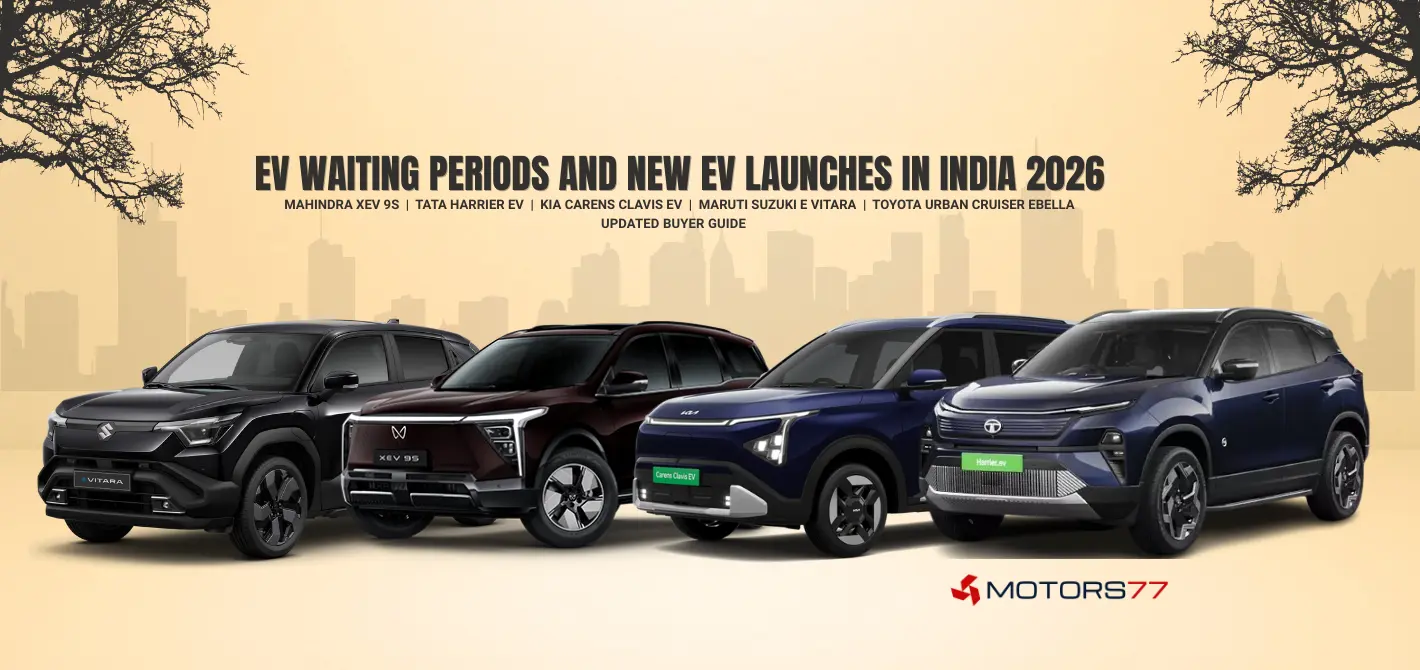
The Indian electric vehicle market has entered a defining chapter. Five electric SUVs and MPVs are now competing for attention across the Rs 15 lakh to Rs 30 lakh segment, each backed by serious engineering and aggressive pricing. Whether you are a first-time EV buyer or upgrading from an ICE vehicle, understanding the EV waiting periods and new EV launches in India 2026 is essential before making a purchase decision. From Mahindra’s record-breaking 93,000 bookings in four hours to Tata’s flagship electric SUV earning five stars in crash safety, and Toyota’s historic first-ever electric SUV for India, automakers are delivering world-class electric vehicles that no longer need to borrow credibility from global counterparts. This Motors77 comprehensive guide breaks down everything you need to know about each model, including verified specifications, real-world range data, current waiting periods, and honest buying recommendations.
Quick Overview: Why These 5 EVs Matter
Before diving into individual specifications, here is a quick snapshot of what makes each of these EV waiting periods and new EV launches in India 2026 worth your consideration. These five models cover every major buyer need, from seven-seat family transport to compact urban commuting, and from record-breaking range figures to segment-first safety ratings.
| PROS | CONS |
|---|---|
| Range up to 679 km (Mahindra XEV 9S ARAI) | Waiting periods stretch up to 9 months (XEV 9S) |
| 5-star Bharat NCAP safety (Harrier EV, e Vitara, Ebella) | Charging infrastructure still developing |
| 7-seater options in 3 out of 5 models | Maruti e Vitara and Toyota Ebella pricing not yet confirmed |
| Prices start from Rs 15 lakh (e Vitara expected) | Real-world range 25-30% below ARAI claims |
| Real-world tested ranges now available | Higher trims priced above Rs 25 lakh |
| Level 2 ADAS across all 5 models | AWD options limited to select models |
| Lifetime battery warranty (Tata, Mahindra) | Resale value uncertainty for EVs remains |
1. Mahindra XEV 9S: India’s First Dedicated 7-Seat Electric SUV
The Mahindra XEV 9S has rewritten the rulebook for electric SUVs in India. Launched at Rs 19.95 lakh on November 27, 2025, this is the country’s first purpose-built seven-seater electric SUV. Built on Mahindra’s INGLO platform with BYD blade cell battery technology, the XEV 9S shares its architecture with the XEV 9e coupe-SUV but adds a dedicated third row, a larger boot, and family-focused features that the coupe body style cannot offer. Deliveries commenced on January 23, 2026, and demand has been extraordinary. Mahindra received over 93,000 combined bookings for the XEV 9S and XUV7XO within just four hours of order books opening, representing business worth approximately Rs 20,500 crore.
The cabin stands out with a triple-screen dashboard on higher variants, featuring three 12.3-inch displays for the driver, front passenger, and infotainment. A 16-speaker Harman Kardon sound system with Dolby Atmos, an openable panoramic sunroof, ventilated front and rear seats, and an electrically operated Boss Mode that moves the front passenger seat from the rear are features exclusive to the XEV 9S that even the XEV 9e and BE 6 do not offer. The ADAS suite on top variants uses five radars for highway-relevant functions. Autocar India’s real-world range test returned 477.5 km on the 79kWh variant, with a battery efficiency of 6.045 km/kWh, which is impressive for a vehicle weighing over 2,200 kg.
Mahindra XEV 9S: Complete Specifications
| Specification | 59 kWh Variant | 70 kWh Variant | 79 kWh Variant |
|---|---|---|---|
| Power (PS) | 231 | 245 | 286 |
| Torque (Nm) | 380 | 380 | 380 |
| ARAI Range (km) | 521 | 600 | 679 |
| Real-World Range (km) | ~400 | ~450 | ~477 |
| 0-100 kmph (sec) | ~8.0 | ~7.5 | ~7.0 |
| Top Speed (kmph) | 202 | 202 | 202 |
| DC Fast Charge (20-80%) | ~20 min | ~20 min | ~20 min |
| Drivetrain | RWD | RWD | RWD |
| Seating | 7 | 7 | 7 |
| Boot Space (litres) | 527 + 150 (frunk) | 527 + 150 (frunk) | 527 + 150 (frunk) |
| Price (Ex-showroom) | Rs 19.95 lakh | Rs 25.45 lakh | Rs 22.95 – 30.20 lakh |
Mahindra XEV 9S: Current Waiting Period (February 2026)
| Variant | Waiting Period |
|---|---|
| Pack One Above (59 kWh) | Up to 9 months |
| Pack One Above (79 kWh) | 6-7 months |
| Pack Two Above (70/79 kWh) | 4-5 months |
| Pack Three (79 kWh) | 3-4 months |
| Pack Three Above (79 kWh) | 3-4 months |
2. Tata Harrier EV: The Five-Star Safety Flagship
The Tata Harrier EV arrived as Tata Motors’ most ambitious electric vehicle to date. Launched in July 2025 at a starting price of Rs 21.49 lakh, it secured nearly 10,000 bookings within 24 hours of order books opening. The Harrier EV holds a five-star Bharat NCAP safety rating, making it one of the safest electric SUVs available in India. Tata is producing approximately 2,500 units per month, and waiting periods have gradually reduced from the initial 30 weeks at launch to around 8 to 10 weeks for higher-spec variants as of February 2026.
What separates the Harrier EV from its competitors is the availability of a Quad Wheel Drive (QWD) system, Tata’s term for all-wheel drive. The AWD variant combines a front motor producing 155.5 bhp with a rear motor generating 234.4 bhp, delivering a combined 504 Nm of torque and a 0-100 kmph time of 6.3 seconds in Boost mode. The cabin features a 14.53-inch Samsung Neo QLED touchscreen, a segment first, along with a 10-speaker JBL audio system, a voice-assisted panoramic sunroof, 65W wireless charging, and a digital key system. CarWale’s real-world range test returned 438.2 km on the 75kWh variant, which is a strong result for a vehicle with AWD capability. Tata offers a lifetime warranty on the battery pack with unlimited kilometres, which remains one of the strongest ownership propositions in the segment.
Tata Harrier EV: Complete Specifications
| Specification | 65 kWh RWD | 75 kWh RWD | 75 kWh AWD (QWD) |
|---|---|---|---|
| Power (bhp) | 238 | 238 | 390 (combined) |
| Torque (Nm) | 315 | 315 | 504 (combined) |
| MIDC Range (km) | 538 | 627 | 622 |
| Real-World Range (km) | ~420-445 | ~438 (tested) | ~460-490 |
| 0-100 kmph (sec) | ~9.0 | ~9.0 | 6.3 (Boost) |
| DC Fast Charge (20-80%) | ~25 min (120kW) | ~25 min (120kW) | ~25 min (120kW) |
| Drivetrain | RWD | RWD | AWD (QWD) |
| Seating | 5 | 5 | 5 |
| Safety Rating | 5-Star Bharat NCAP | 5-Star Bharat NCAP | 5-Star Bharat NCAP |
| Price (Ex-showroom) | Rs 21.49 – 24.28 lakh | Rs 24.99 – 27.98 lakh | Rs 28.99 – 30.23 lakh |
Tata Harrier EV: Current Waiting Period (February 2026)
| Variant/Trim | Waiting Period |
|---|---|
| Adventure 65 kWh | 10-12 weeks |
| Fearless+ 65/75 kWh | 8-10 weeks |
| Empowered 75 kWh (RWD/AWD) | 8-10 weeks |
| Stealth Edition | 8-10 weeks |
| Mumbai (65 kWh variants) | Up to 25 weeks |
3. Kia Carens Clavis EV: The Most Affordable Three-Row EV
Kia entered the mass-market EV space in India with the Carens Clavis EV on July 15, 2025. Priced from Rs 17.99 lakh, this is Kia’s first made-in-India electric vehicle and the most affordable three-row electric vehicle available in the country. The Clavis EV uses NMC battery chemistry, which is lighter and more energy-dense compared to the LFP cells used by Mahindra, meaning the 51.4 kWh battery delivers competitive range despite being smaller in capacity than some rivals.
The Clavis EV is offered exclusively as a seven-seater with a bench-type second row. It features a 26.62-inch dual panoramic display combining the infotainment and instrument cluster, an eight-speaker Bose premium sound system, and 64-colour ambient lighting. The V2L and V2V functionality allows the vehicle to power external devices or charge other EVs, making it practical for outdoor activities and emergencies. Level 2 ADAS with over 20 autonomous features comes standard on higher trims. With a waiting period of just 4 to 9 weeks, the Clavis EV offers the quickest delivery among all five EVs covered in this guide, which is a significant advantage for buyers who do not want to wait months for their vehicle.
Kia Carens Clavis EV: Complete Specifications
| Specification | 42 kWh Variant | 51.4 kWh Variant |
|---|---|---|
| Power (hp) | 135 | 171 |
| Torque (Nm) | 255 | 255 |
| ARAI Range (km) | 404 | 490 |
| 0-100 kmph (sec) | ~10.0 | 8.4 |
| DC Fast Charge (10-80%) | ~39 min (100kW) | ~39 min (100kW) |
| AC Charge (10-100%) | 4 hrs (11kW) | 4 hrs 45 min (11kW) |
| Drivetrain | FWD | FWD |
| Seating | 7 | 7 |
| V2L/V2V | Yes | Yes |
| Dimensions (LxWxH mm) | 4550 x 1800 x 1730 | 4550 x 1800 x 1730 |
| Boot Space (litres) | 216 + 25 (frunk) | 216 + 25 (frunk) |
| Price (Ex-showroom) | Rs 17.99 – 19.99 lakh | Rs 19.99 – 24.49 lakh |
4. Maruti Suzuki e Vitara: The Most Awaited EV Debut of 2026
Maruti Suzuki’s first-ever electric vehicle, the e Vitara, has been one of the most anticipated launches in recent Indian automotive history. After multiple delays linked to rare earth material shortages and supply chain challenges, the e Vitara is finally set to launch in February 2026. Built on the dedicated HEARTECT-e platform at Maruti’s Gujarat facility, the e Vitara has already been exported to Europe and the UK, with over 6,000 units shipped before the Indian launch.
The e Vitara will be available in three variants: Delta, Zeta, and Alpha, with 49 kWh and 61 kWh LFP battery packs. The larger battery offers a claimed ARAI range of 543 km and pairs with a 174 hp front-wheel-drive motor. Maruti will not offer the ALLGRIP e-electric AWD system in India at launch, reserving it for global markets. The interior features a 10.25-inch touchscreen with wireless Apple CarPlay and Android Auto, a 10.1-inch digital driver’s display, an Infinity by Harman sound system, ventilated front seats, and a fixed glass panoramic sunroof. The e Vitara has earned a five-star Bharat NCAP safety rating with seven airbags as standard and Level 2 ADAS, a first for any Maruti Suzuki vehicle. The ‘e for me’ app integrates charging across 13 different charge point operators, addressing one of the biggest concerns for first-time EV buyers.
Maruti Suzuki e Vitara: Expected Specifications
| Specification | 49 kWh Variant | 61 kWh Variant |
|---|---|---|
| Power (hp) | 144 | 174 |
| Torque (Nm) | 189 | 189 |
| ARAI Range (km) | ~400 (est.) | 543 |
| 0-100 kmph (sec) | ~9.5 (est.) | 8.7 |
| DC Fast Charge (0-80%) | ~50 min (70kW) | ~50 min (70kW) |
| Drivetrain | FWD | FWD |
| Seating | 5 | 5 |
| Safety Rating | 5-Star Bharat NCAP | 5-Star Bharat NCAP |
| ADAS | Level 2 | Level 2 |
| Expected Price | Rs 15 – 17 lakh (est.) | Rs 17 – 22.50 lakh (est.) |
5. Toyota Urban Cruiser Ebella: Toyota’s Historic First Electric SUV for India
The Toyota Urban Cruiser Ebella marks a historic moment for Toyota in India. Revealed on January 20, 2026, with bookings opening the same day, this is Toyota’s first-ever mass-market electric SUV for the Indian market. Built on the same HEARTECT-e platform as the Maruti Suzuki e Vitara under the long-standing Toyota-Suzuki global partnership, the Ebella shares its powertrain and feature set with its Maruti sibling but differentiates itself through distinctive styling and Toyota’s brand positioning. Pricing and deliveries are expected to commence in February 2026.
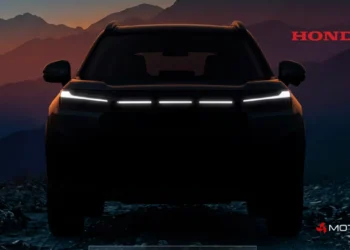
Where the e Vitara takes a boxy SUV approach, the Toyota Urban Cruiser Ebella adopts a sharper, cleaner front-end design with Toyota’s signature hammerhead face, slim LED headlamps connected by a gloss black strip, pixel-like LED DRLs, and a sportier bumper with vertical air vents. The interior mirrors the e Vitara’s layout with a dual-screen dashboard combining a 10.25-inch touchscreen and 10.1-inch digital instrument cluster, but Toyota replaces the Infinity audio with a JBL sound system and adds its own i-Connect connected car technology. Other features include ventilated front seats, a 10-way electrically adjustable driver seat, reclining and sliding rear seats, Level 2 ADAS with adaptive cruise control and lane keep assist, seven airbags as standard, a 360-degree camera, and wireless charging. The Ebella is available in three variants: E1 (49 kWh), E2 (61 kWh), and E3 (61 kWh). Toyota is also expected to offer a Battery-as-a-Service (BaaS) scheme, similar to MG’s model, which could significantly reduce the initial purchase cost and make it one of the most accessible EVs in the segment.
Toyota Urban Cruiser Ebella: Expected Specifications
| Specification | 49 kWh (E1) | 61 kWh (E2/E3) |
|---|---|---|
| Power (hp) | 144 | 174 |
| Torque (Nm) | 189 | 189 |
| ARAI Range (km) | 440 | 543 |
| 0-100 kmph (sec) | ~9.5 (est.) | ~8.7 |
| DC Fast Charge (10-80%) | ~45 min | ~45 min |
| Drivetrain | FWD | FWD |
| Seating | 5 | 5 |
| Safety Rating | 5-Star Bharat NCAP | 5-Star Bharat NCAP |
| ADAS | Level 2 | Level 2 |
| Boot Space (litres) | 310 | 310 |
| BaaS Option | Expected | Expected |
| Expected Price | Rs 18 – 21 lakh (est.) | Rs 18 – 21 lakh (est.) |
Toyota Ebella vs Maruti e Vitara: Key Differences
| Parameter | Toyota Ebella | Maruti e Vitara |
|---|---|---|
| Front Design | Sharper hammerhead face, slim LED | Boxy SUV, wider headlamps |
| Audio System | JBL | Infinity by Harman |
| Connected Tech | i-Connect (Toyota) | Suzuki Connect |
| BaaS Option | Expected | Not confirmed |
| Rear Seats | Reclining + Sliding | Standard |
| Expected Price | Rs 18 – 21 lakh | Rs 15 – 22.50 lakh |
| Platform | HEARTECT-e (shared) | HEARTECT-e (shared) |
| Battery/Range | Identical | Identical |
| Safety | Identical (5-Star BNCAP) | Identical (5-Star BNCAP) |
EV Waiting Periods and New EV Launches in India 2026: Complete Comparison
This master comparison table brings together all five EVs covered in this guide, allowing buyers to evaluate them side by side on the parameters that matter most. This is the most comprehensive comparison of the EV waiting periods and new EV launches in India 2026 available online.
| Parameter | XEV 9S | Harrier EV | Clavis EV | e Vitara | Ebella |
|---|---|---|---|---|---|
| Starting Price | Rs 19.95L | Rs 21.49L | Rs 17.99L | ~Rs 15L (est.) | ~Rs 18L (est.) |
| Top Price | Rs 30.20L | Rs 30.23L | Rs 24.49L | ~Rs 22.50L | ~Rs 21L (est.) |
| Max Range (ARAI) | 679 km | 627 km | 490 km | 543 km | 543 km |
| Real-World Range | ~477 km | ~438 km | ~350 km (est.) | TBD | TBD |
| Max Power | 286 PS | 390 hp (AWD) | 171 hp | 174 hp | 174 hp |
| Seating | 7 | 5 | 7 | 5 | 5 |
| AWD Option | No | Yes (QWD) | No | No (India) | No |
| Safety Rating | Not tested | 5-Star BNCAP | Not tested | 5-Star BNCAP | 5-Star BNCAP |
| Waiting Period | 3-9 months | 8-25 weeks | 4-9 weeks | New launch | New launch |
| Battery Warranty | Lifetime | Lifetime | Standard | TBD | TBD |
| V2L Support | No | No | Yes | Yes | Yes |
| Platform | INGLO | Tata EV | Hyundai E-GMP | HEARTECT-e | HEARTECT-e |
Which EV Should You Buy? Our Recommendations
Choosing the right EV from these EV waiting periods and new EV launches in India 2026 depends entirely on your priorities. If you need a seven-seater electric SUV with maximum range and do not mind waiting, the Mahindra XEV 9S is the clear choice. Its 679 km ARAI range and Rs 19.95 lakh starting price make it extraordinarily good value for a seven-seater. The Tata Harrier EV is the best option for buyers who prioritise safety and driving dynamics, particularly in the AWD QWD variant that delivers genuine off-road capability alongside 390 hp of combined output.
For families seeking the most affordable entry into three-row electric motoring, the Kia Carens Clavis EV delivers practical seven-seat packaging from Rs 17.99 lakh with the added bonus of V2L functionality and the shortest waiting period in this list. The Maruti Suzuki e Vitara will appeal to the massive base of Maruti loyalists who have been waiting for the brand’s first EV. Its five-star safety rating, 543 km range, and the trust associated with Maruti’s service network make it a compelling proposition, particularly if priced aggressively. The Toyota Urban Cruiser Ebella is the smart alternative for buyers who want the same proven HEARTECT-e platform and 543 km range but prefer Toyota’s brand reliability, JBL audio, and the potential cost savings through its Battery-as-a-Service model. Between the e Vitara and Ebella, the choice will ultimately come down to pricing, personal brand preference, and which dealer network is more accessible in your city.
Motors77 Verdict: The State of EVs in India, 2026
The Indian EV market in 2026 is fundamentally different from where it stood even 18 months ago. These five electric vehicles represent genuine alternatives to their ICE counterparts, not compromises. Range anxiety is becoming less relevant as real-world tested ranges now comfortably exceed 400 km for most models. Safety standards have reached international benchmarks, with multiple models earning five-star crash test ratings. The pricing, while still premium compared to base ICE variants, has reached a point where total cost of ownership calculations increasingly favour electric powertrains.
The biggest challenge remains supply. Waiting periods stretching to nine months for the most in-demand models suggest that Indian automakers need to invest heavily in production capacity. Charging infrastructure, while improving, still requires significant expansion beyond metro cities. Resale value remains an unknown variable that buyers should factor into long-term ownership plans.
What makes this moment particularly significant is the entry of Maruti Suzuki and Toyota into the mainstream EV space. With the e Vitara and Urban Cruiser Ebella, India’s two most trusted mass-market brands are finally offering electric vehicles that their millions of loyal customers have been waiting for. Combined with Mahindra’s aggressive electric push, Tata’s established EV leadership, and Kia’s value-focused approach, the EV waiting periods and new EV launches in India 2026 collectively mark the inflection point for mass electric vehicle adoption in the country. The technology is ready. The pricing is approaching parity. The only question left is whether the industry can build them fast enough to meet the demand that clearly exists.
Published by Motors77.com | A publication of Irithink AI | All rights reserved.