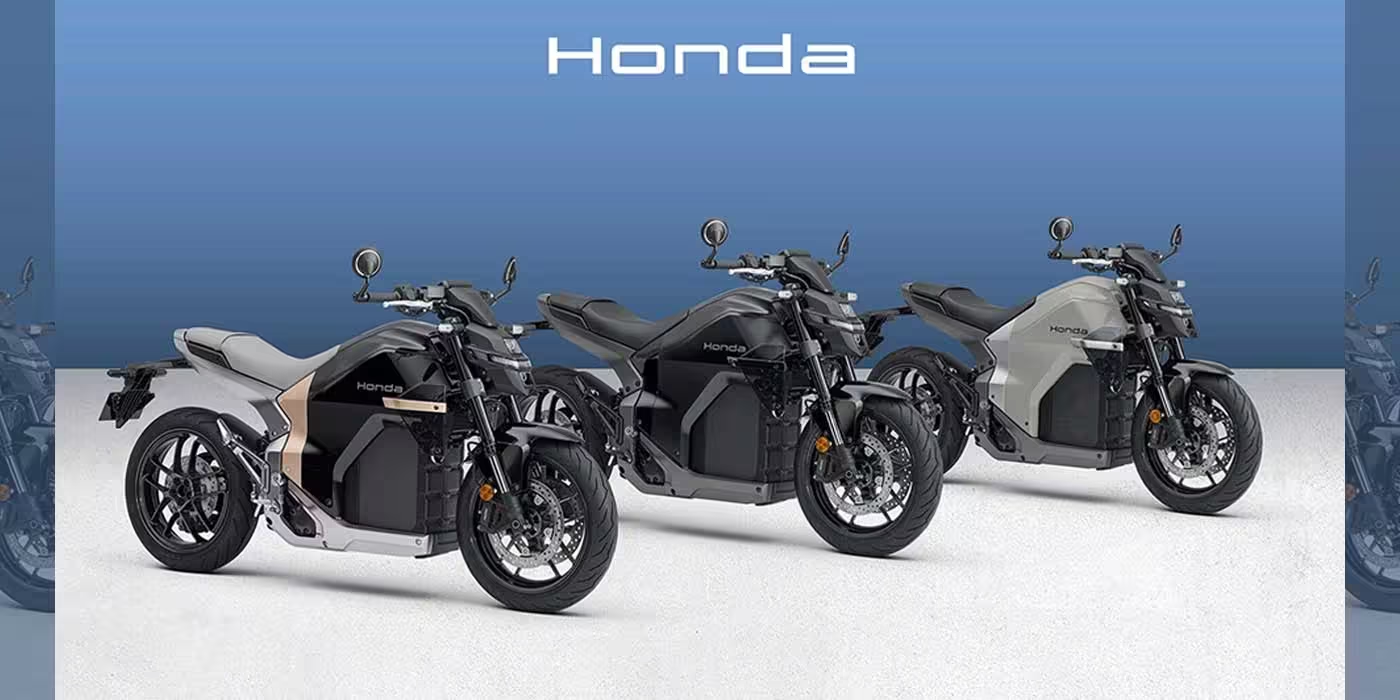
Honda unveils the Honda WN7, its first true electric motorcycle at EICMA 2025. Discover specs, charging capabilities, design innovation, and what this means for the future of motorcycling.
The waiting game is over. After years of watching competitors like Zero, Energica, and even Harley-Davidson stake their claims in the electric motorcycle space, Honda has finally shown its hand. At EICMA 2025 in Milan, the Japanese manufacturer unveiled the WN7, and honestly, it’s about time.
This isn’t another quirky electric scooter or a half-hearted concept bike destined to collect dust in a museum. The WN7 represents Honda’s genuine commitment to electrification, and judging by the specs and engineering philosophy behind it, they’ve been doing their homework while everyone else was making noise.
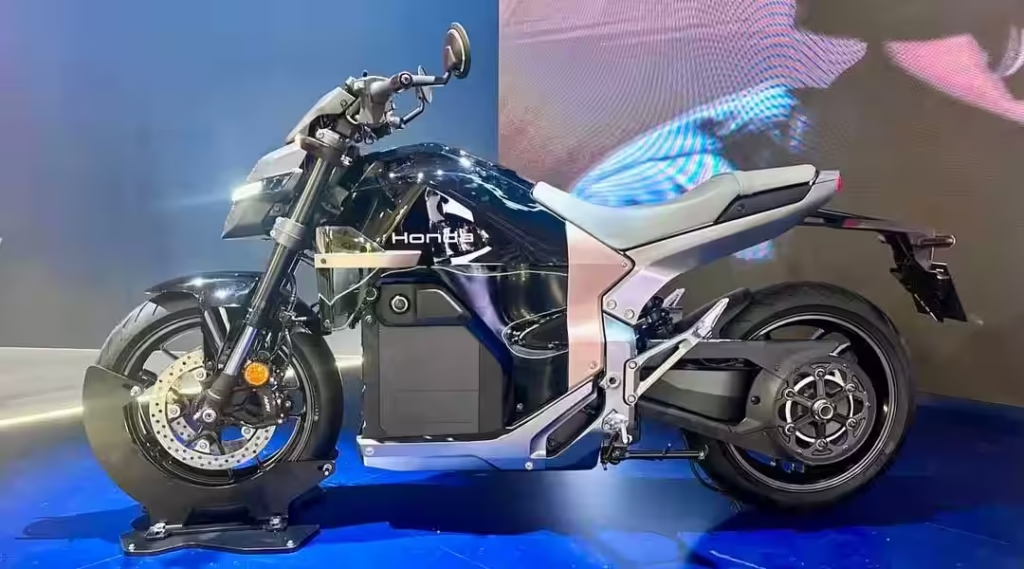
Breaking Down the “Be the Wind” Philosophy
Honda calls it “Be the Wind,” which sounds like marketing speak until you actually think about what they’re getting at. Traditional motorcycles are loud. That’s part of their appeal, sure, but it also means you’re in a constant bubble of engine noise. Strip that away, and suddenly you’re hearing everything else: the rush of air, the texture of the road surface, even the birds if you’re riding somewhere pleasant.
The WN7 leans into this completely different riding experience rather than trying to fake the old one. There’s no artificial engine sound pumped through speakers, no attempt to replicate what came before. It’s refreshingly honest design thinking in an industry that sometimes gets too nostalgic for its own good.
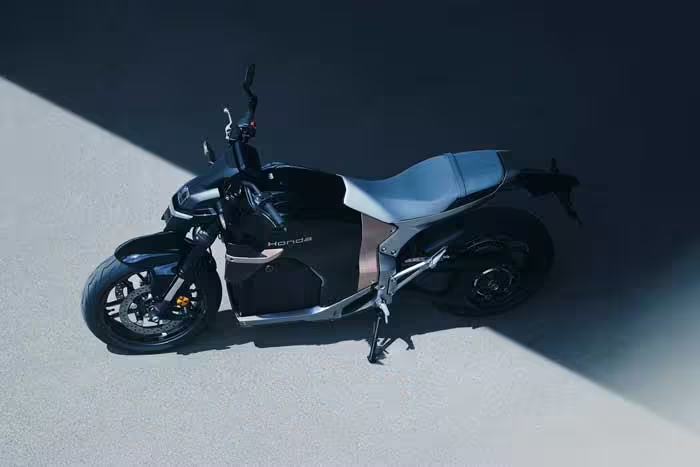
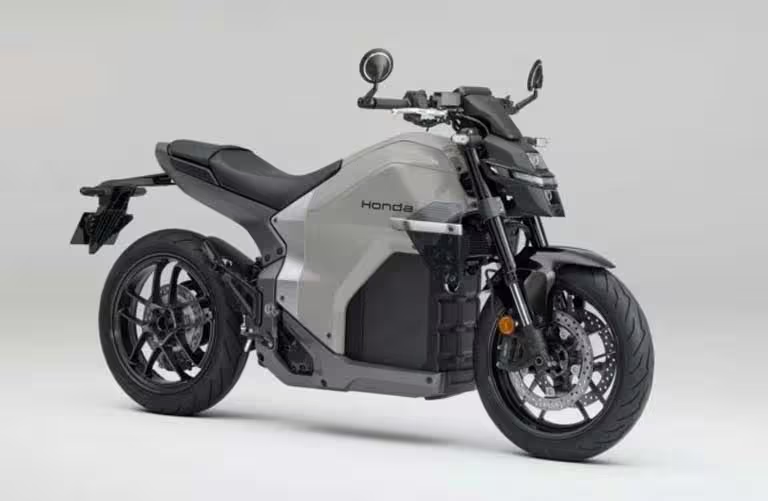
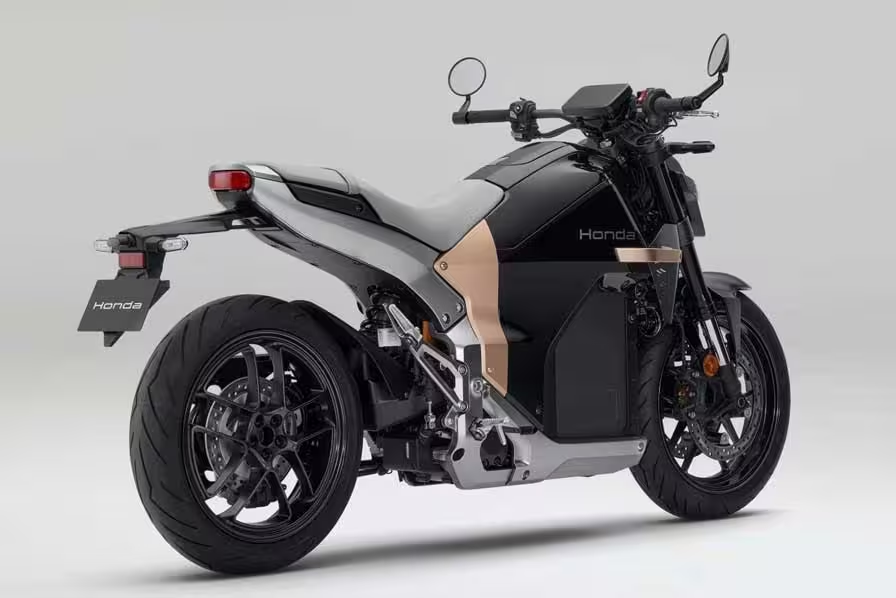
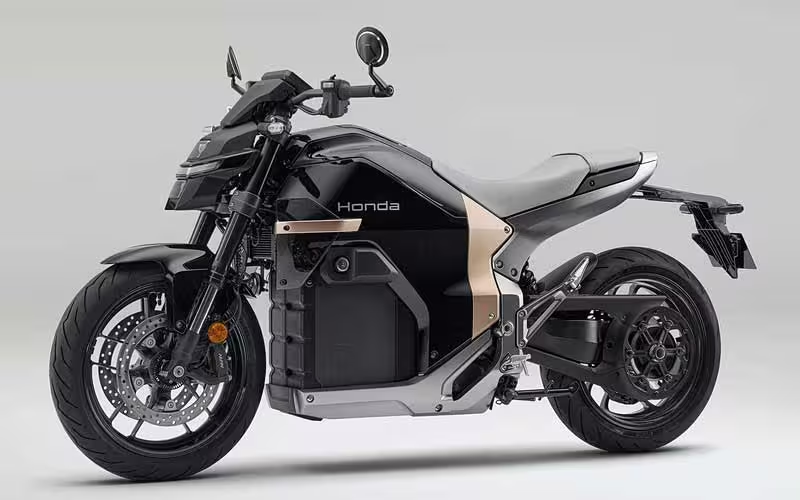
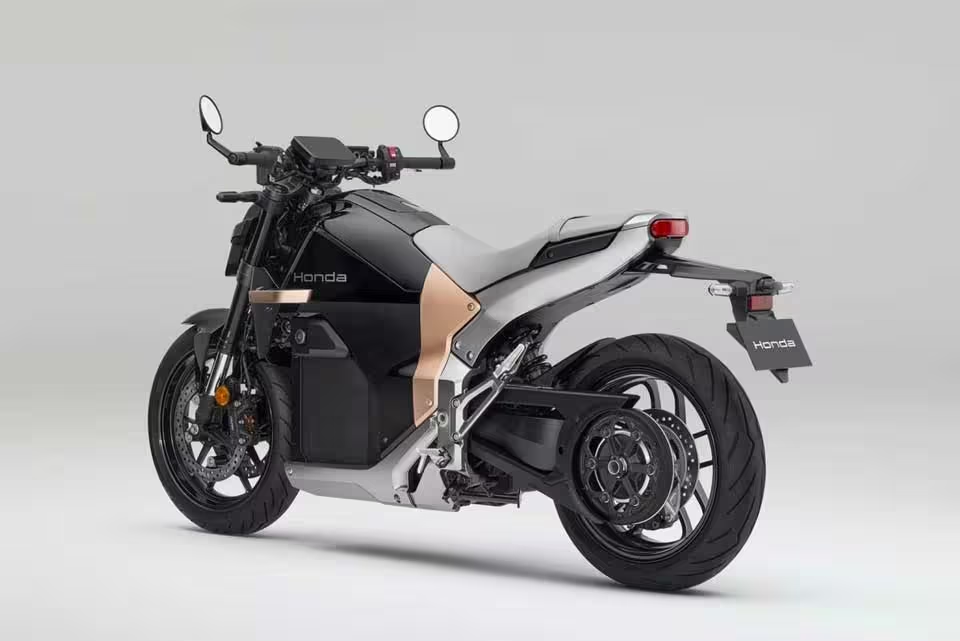
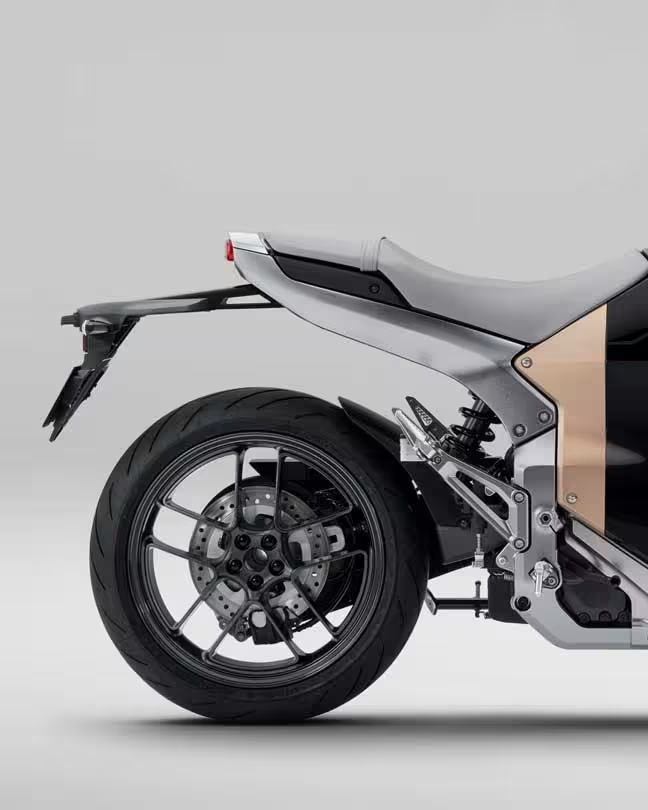
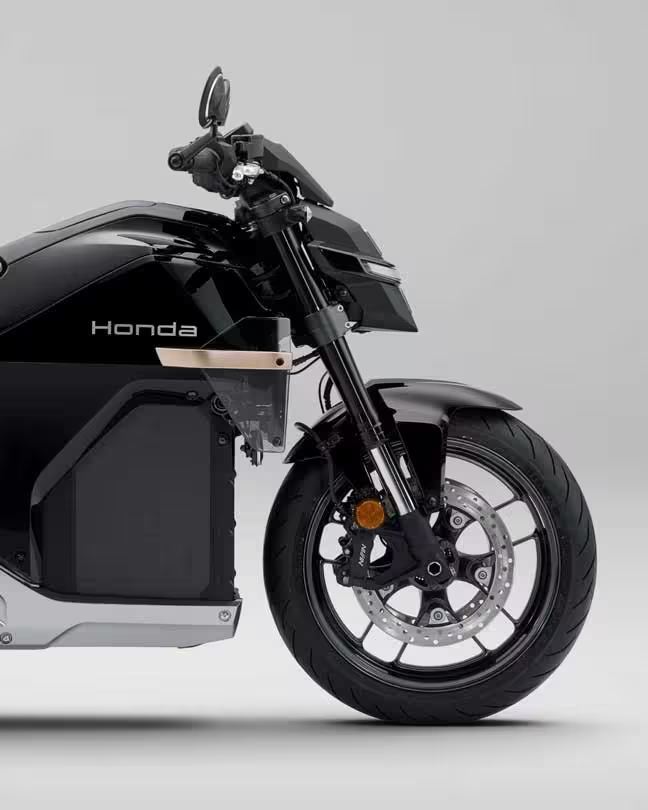
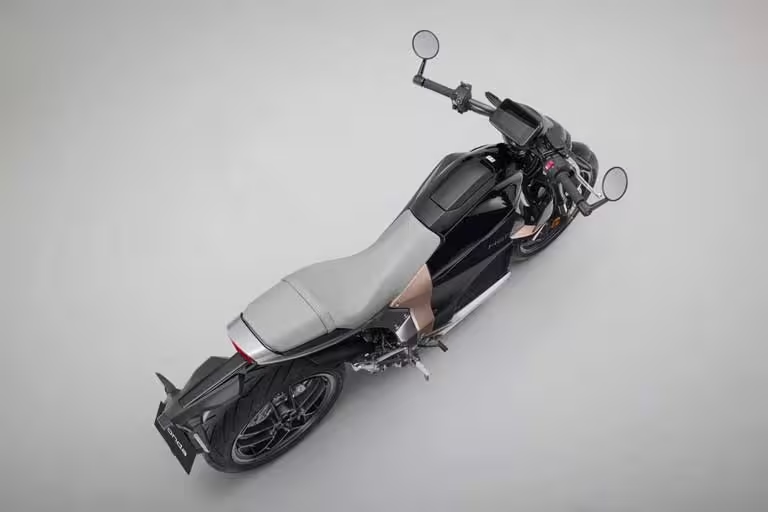
The bike’s frameless structure puts this philosophy into practice. That 9.3kWh battery pack isn’t just sitting somewhere in the chassis. It is the chassis. The aluminum battery case forms the main structural component, which is both lighter and more space-efficient than traditional frame designs. Honda’s engineers essentially asked themselves: why build a frame to hold a battery when the battery can be the frame?
Honda WN7 Performance That Actually Matters
Let’s talk numbers, because this is where things get interesting. The liquid-cooled electric motor pumps out 67 horsepower and 100 Nm of torque. Before you scoff at those figures, remember this is an A2-compliant bike. That licensing category limits power output across Europe, making motorcycles accessible to newer or younger riders. Honda isn’t building a superbike here. They’re building something that real people can actually ride legally.
That 3.9-second sprint over 164 feet shows the instant torque advantage of electric motors. The 80 mph top speed might seem modest to performance junkies, but for urban commuting and weekend rides, it’s more than adequate. Not everyone needs to hit triple digits on public roads, and Honda knows their target market.
The belt drive system is a smart choice too. Chains need maintenance, oil, and adjustment. Belts just work. It’s the kind of practical engineering decision that suggests Honda understands what people actually want from daily transportation.
Range Reality Check – Honda WN7
Here’s where we need to be honest: 140 kilometers isn’t going to win any range wars. That’s roughly 87 miles, which in real-world conditions with spirited riding might drop to 70 or so. For daily commuting, that’s perfectly fine. For weekend touring? You’ll be planning your route around charging stops.
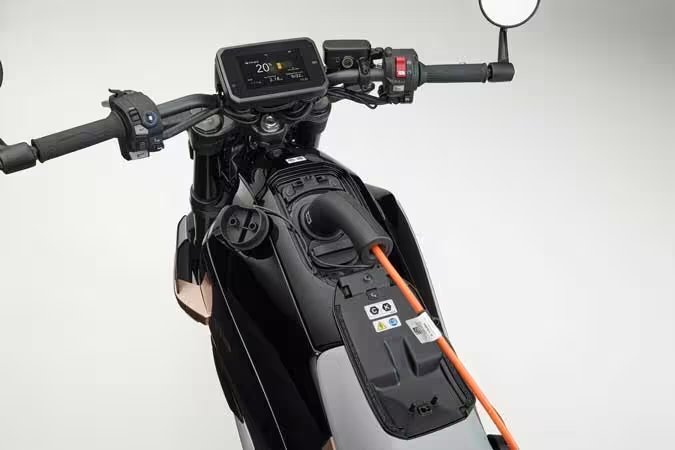
But Honda made a crucial decision that partially offsets the modest range: CCS2 compatibility. This is the same charging standard used by electric cars across Europe, which means the WN7 can plug into thousands of existing fast-charging stations. You’re not hunting for some proprietary motorcycle charger that exists in three locations nationwide.
The 20% to 80% charge in 30 minutes is legitimately fast. That’s lunch break territory, not “go find something to do for three hours” territory. Using a 200V home setup, you can top up overnight easily. Honda also built in regenerative braking that feeds energy back into the battery when you slow down, though they’re upfront that it won’t always activate depending on how charged your battery already is.
Design Language for Tomorrow
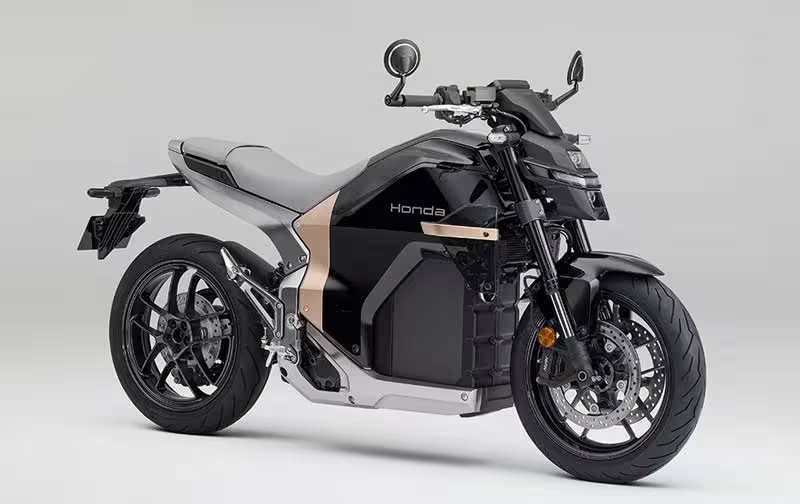
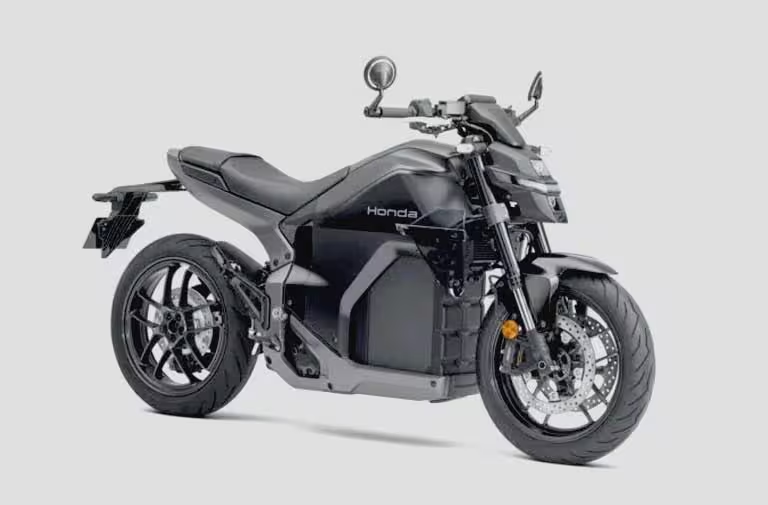
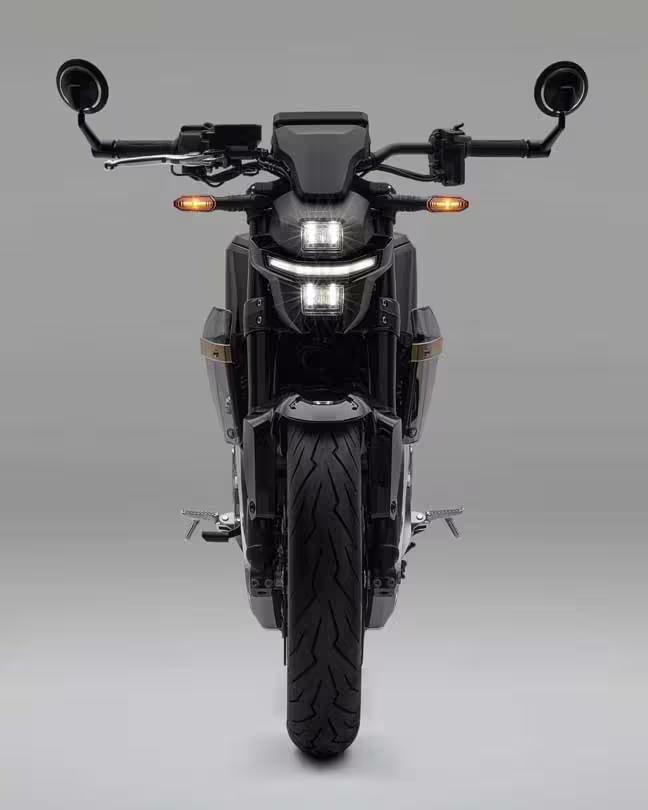
That horizontal light bar across the front isn’t just stylish. Honda explicitly states this will become the identifying feature of their electric motorcycle lineup going forward. It’s brand building at the design level, creating visual continuity across what will presumably become a whole family of electric bikes.
The overall aesthetic is clean and modern without being aggressively futuristic. Some electric vehicles try too hard to look alien. The WN7 looks like a motorcycle, just one that happens to be electric. There’s value in that approach, especially for riders transitioning from combustion engines.
The Bigger Picture
Honda’s timing here is calculated. They’re not first to market, which means they’ve watched competitors make mistakes and learned from them. Zero Motorcycles has been iterating for over a decade. Harley-Davidson stumbled badly with LiveWire’s initial pricing. Energica builds beautiful bikes that remain niche products. Honda observed all of this.
Being part of Japan’s “Big Four” motorcycle manufacturers, Honda’s entry legitimizes electric motorcycles in a way that smaller brands simply can’t. When Honda commits to something, dealers pay attention, service networks adapt, and consumers take notice. The WN7 might not be revolutionary on paper, but its existence is significant.
The Kumamoto Factory production also signals serious intent. This isn’t a limited run or a compliance vehicle. Honda is building infrastructure to manufacture these at scale, with plans for sequential global rollout as charging networks mature in different regions.
What This Means for Riders
If you’re currently riding a small-displacement bike for city commuting, the WN7 makes immediate sense. The running costs will be drastically lower than gasoline. Maintenance consists of essentially nothing beyond tires and brake pads. No oil changes, no valve adjustments, no clutch replacements.
For highway touring enthusiasts, you’ll want something else. That range and top speed won’t cut it for serious distance work. But Honda knows this, which is why the WN7 is clearly positioned as an urban and peri-urban solution.
The A2 licensing compliance is smart market positioning. Europe’s motorcycle market is heavily influenced by licensing tiers, and A2 opens up a huge demographic. Honda isn’t chasing the performance crowd with this bike. They’re building volume through accessibility.
The Skeptical Take
Let’s address the elephant in the room: is 9.3kWh enough battery in 2025? Competitors are pushing toward 15-20kWh packs for similar performance. Honda’s conservative approach here might be about keeping costs manageable or weight reasonable, but it does limit the bike’s versatility.
The 80 mph top speed also feels slightly underwhelming given that electric motors can deliver serious performance. Again, this comes back to A2 compliance and target market, but it does mean Honda isn’t really pushing boundaries with the WN7.
That said, being conservative for a first-generation product isn’t necessarily wrong. Honda has a reputation for reliability to maintain. Better to underpromise and overdeliver than the reverse.
The Motors77 Verdict
Honda’s WN7 won’t blow your mind with raw specs, but that’s not the point. This is a carefully considered, thoroughly engineered entry into electric motorcycling from a manufacturer that doesn’t do things halfway. The practical approach to range, the smart CCS2 charging compatibility, and the innovative frameless design show serious thinking went into this bike.
For urban riders ready to go electric, the WN7 offers a compelling package backed by Honda’s legendary reliability and global service network. It won’t replace your touring bike, but it might just replace your daily commuter. And sometimes, that’s exactly what the market needs.
Frequently Asked Questions
How much does the Honda WN7 cost?
Honda hasn’t released official pricing yet, but expect somewhere between €8,000-€12,000 in European markets based on competitor pricing and specs.
Can I charge the WN7 at home?
Yes, the bike works with standard home charging setups using a 200V outlet, allowing overnight charging like you would charge a phone.
What’s the real-world range of the WN7?
While Honda claims 140km, realistic average usage will deliver around 120km, varying between 100-150km depending on riding style and weather conditions.
Is the WN7 suitable for highway riding?
It handles 80 mph fine for short highway commutes under 50km each way, but the modest range makes it less ideal for serious touring.
How long does the battery last before replacement?
Modern lithium-ion motorcycle batteries typically maintain 80% capacity for 1,000-1,500 charge cycles, potentially lasting 8-10 years with proper care.
What maintenance does an electric motorcycle need?
Significantly less than gas bikes just tires, brakes, and suspension maintenance, with no oil changes, air filters, spark plugs, or valve adjustments needed.
Can the WN7 handle rain and wet conditions?
Yes, all electrical components are sealed and waterproof for normal riding in rain, though you should avoid submerging or pressure-washing sensitive areas.
When will the WN7 be available in my country?
Europe will likely see it first in early 2026, with North American and Asian markets following based on charging infrastructure readiness.
Also Read: Honda Announces New Electric Motorcycle “Honda WN7” in Europe: Electrifying the Fun Segment