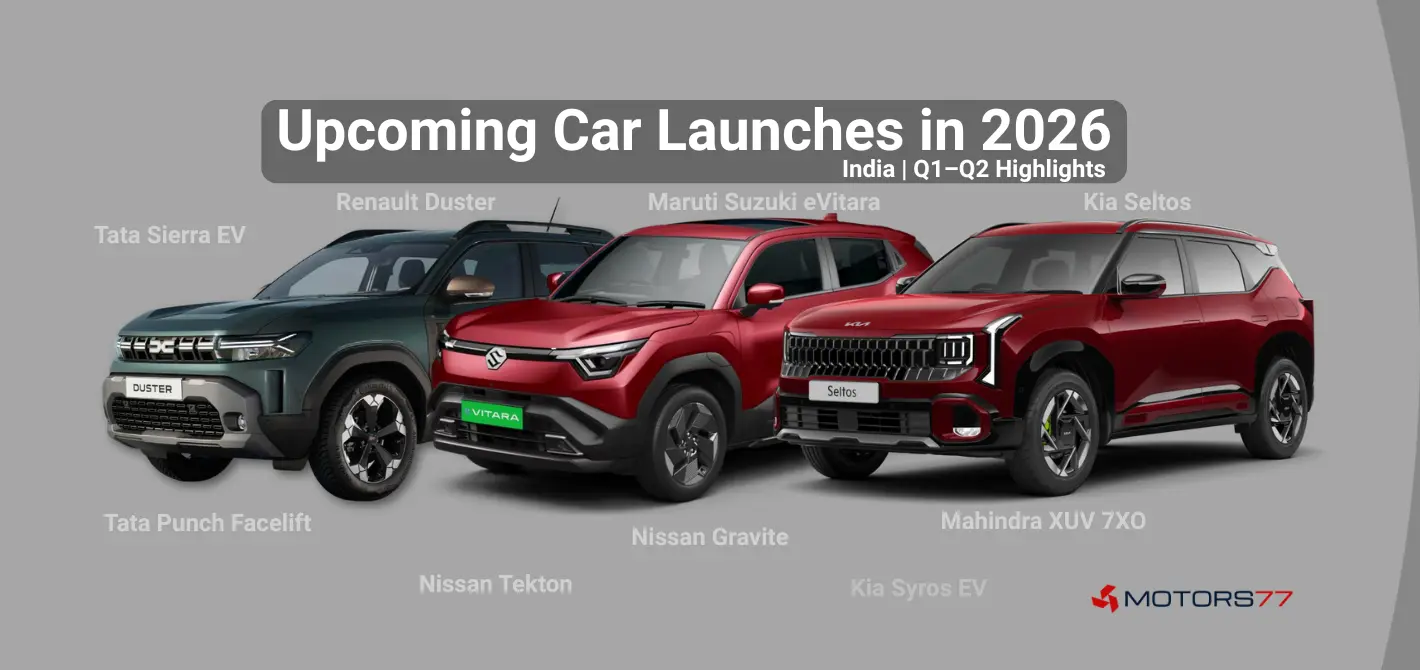
Upcoming car launches in 2026 are expected to reshape the Indian automotive landscape in a significant way. The first half of the year is likely to witness an unprecedented wave of new vehicles, ranging from next-generation electric SUVs to comprehensively redesigned bestsellers. Whether you are planning your next car purchase or closely tracking industry trends, the months ahead promise some of the most important automotive debuts India has seen in recent years.
Why Upcoming Car Launches in 2026 Matter for Indian Buyers
The Indian automotive market is undergoing a fundamental transformation. Manufacturers are responding to evolving consumer expectations with products that blend advanced technology, improved safety standards, and more sustainable powertrains. The upcoming car launches in 2026 clearly reflect this shift, with major brands preparing to introduce electric vehicles alongside refreshed internal combustion models.
Maruti Suzuki’s first mass-market electric SUV, Tata Motors’ continued EV expansion, and Kia’s all-new Seltos headline a packed launch calendar. Together, these launches indicate a decisive move toward better efficiency, higher safety benchmarks, and greater choice for Indian buyers across price segments.
Q1 2026: Major Upcoming Car Launches in India
January 2026: A Blockbuster Start
Kia Seltos (January 2, 2026)
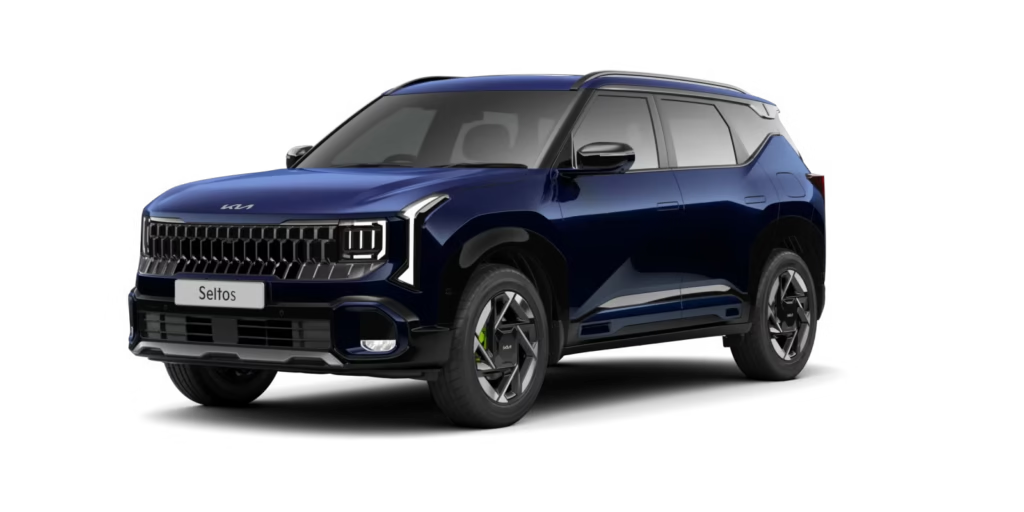
The second-generation Kia Seltos is set to debut with a completely new design language featuring vertical DRLs, larger overall dimensions, and a triple-screen interior layout. Powertrain options are expected to include the familiar 1.5-litre naturally aspirated petrol engine producing 115hp, a 1.5-litre turbo-petrol with around 160hp, and a 1.5-litre diesel unit delivering 116hp. Prices are likely to fall in the ₹12–22 lakh range.
Mahindra XUV 7XO (January 5, 2026)
Mahindra is expected to introduce a heavily updated version of the XUV700, likely rebadged as the XUV 7XO. Key highlights are expected to include a triple-screen setup inspired by Mahindra’s latest electric models, refreshed exterior styling, and upgraded ADAS functionality. Bookings are anticipated to open closer to launch, with expected prices starting around ₹15 lakh.

Maruti Suzuki eVitara (Early January 2026)
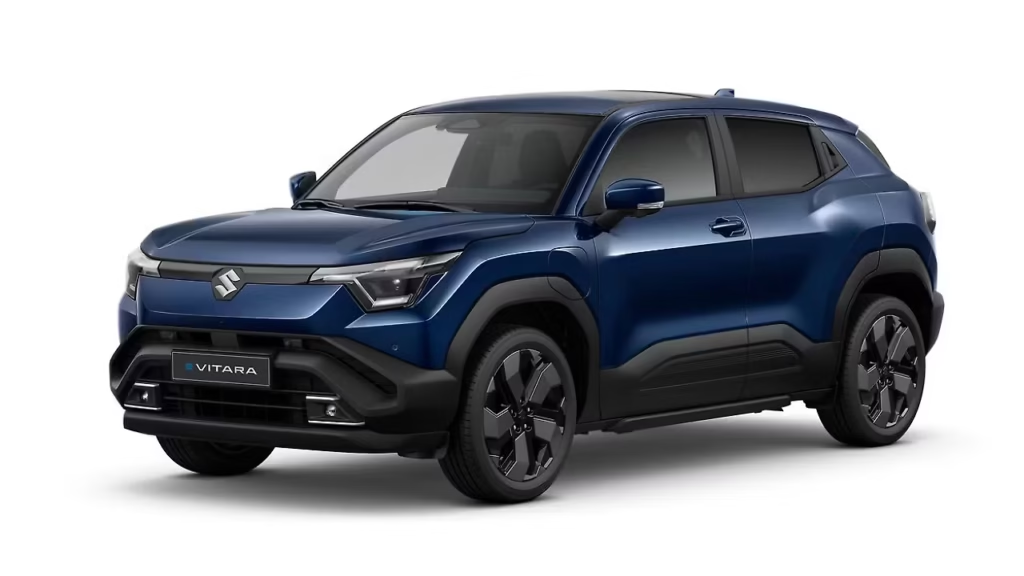
Maruti Suzuki’s highly anticipated electric SUV is expected to offer 49kWh and 61kWh battery options with an ARAI-certified range of up to 543 kilometres. The eVitara is also expected to introduce innovative ownership options such as Battery-as-a-Service and subscription-based models, supported by an expanding national charging infrastructure.
Renault Duster (January 26, 2026)
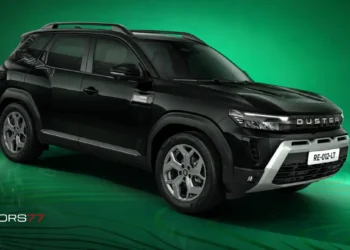
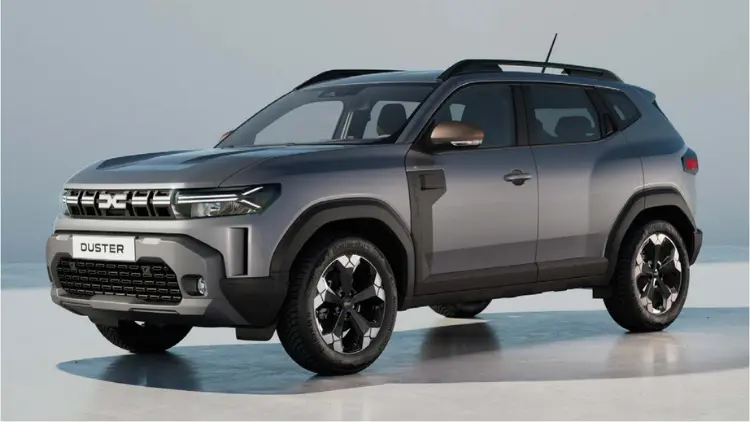
The iconic Renault Duster nameplate is set to return on the modern CMF-B platform. Engine options are expected to include a 1.2-litre mild-hybrid unit and a 1.3-litre turbo-petrol engine. Features such as Level 2 ADAS, a panoramic sunroof, and connected car technology are likely to be offered. Pricing is expected to range between ₹10–20 lakh.
February to March 2026: Momentum Continues
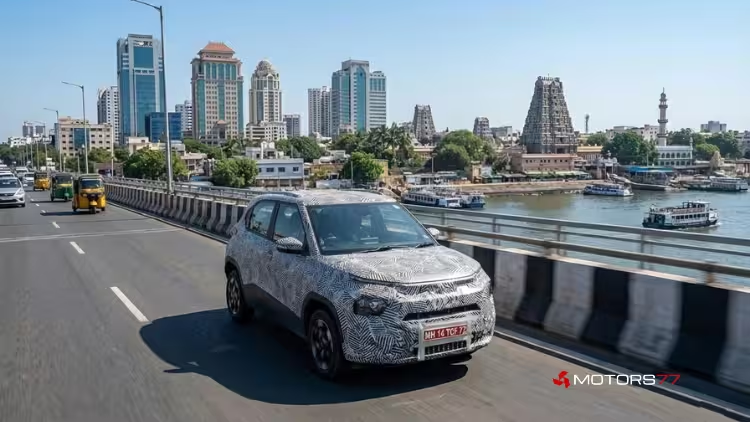
Tata Punch Facelift (Early 2026)
India’s bestselling compact SUV is expected to receive a mid-life update inspired by the Punch EV. Visual changes are likely to include a connected light bar, revised bumpers, and refreshed alloy wheels. Interior updates are expected to focus on improved materials and added features.
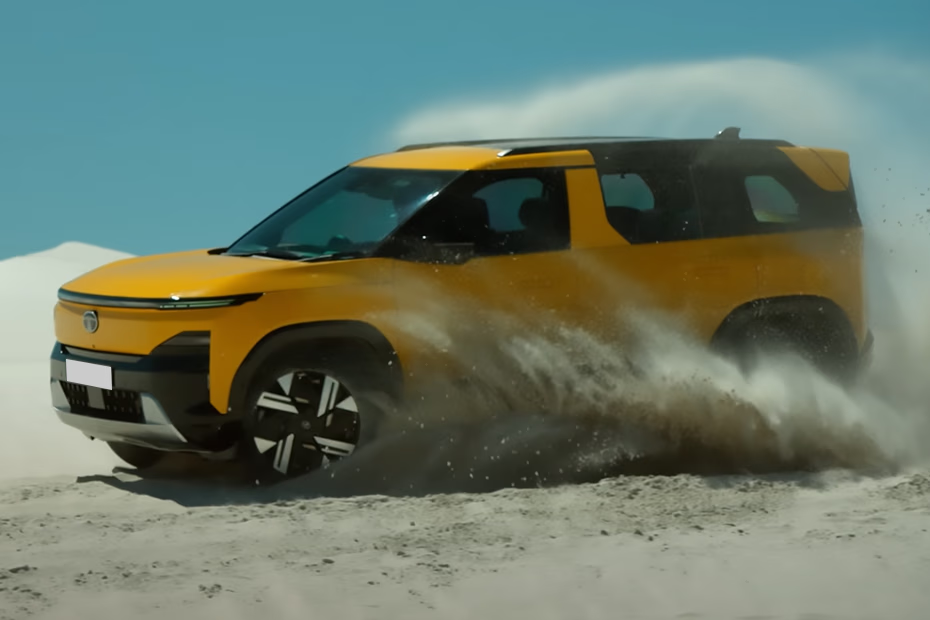
Tata Sierra EV (March 2026)
Following the launch of the ICE-powered Sierra, Tata Motors is expected to introduce the electric variant. The Sierra EV is likely to offer both rear-wheel-drive and all-wheel-drive configurations and could be built on Tata’s dedicated skateboard architecture. Battery options in the 55kWh to 65kWh range are expected, with prices likely between ₹16–25 lakh.
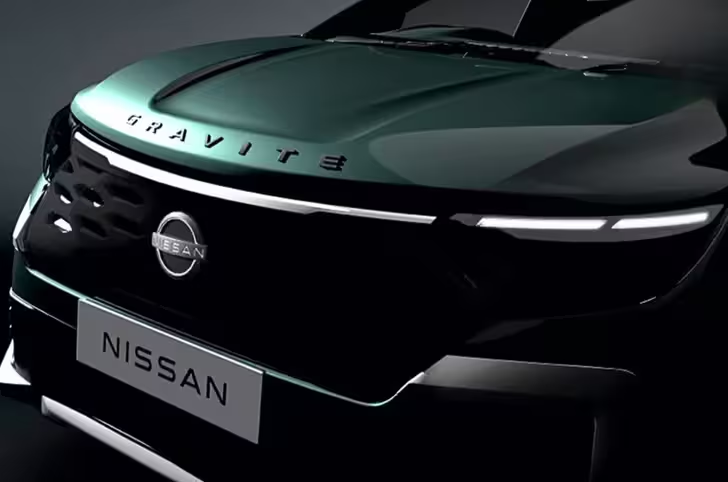
Nissan Gravite (March 2026)
Nissan’s compact MPV, based on the Renault Triber platform, is expected to feature revised exterior styling, updated lighting elements, and refreshed interior trims. This model could mark Nissan’s renewed focus on the Indian market after a prolonged lull.
Q2 2026: More Upcoming Car Launches to Anticipate
April to June 2026: Electric and Premium Expansion
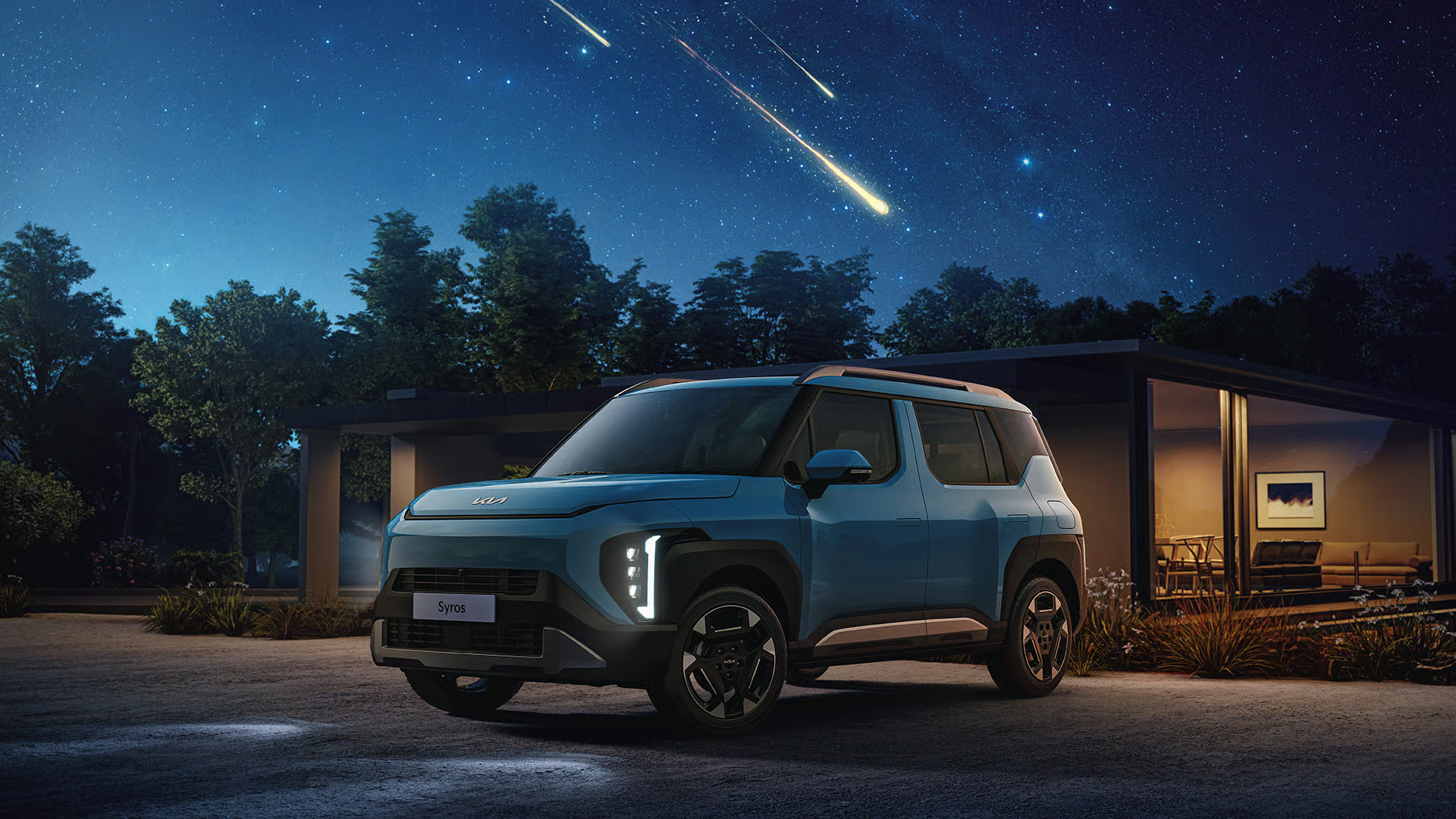
Kia Syros EV (Q2 2026)
The electric version of Kia’s boxy crossover is expected to share its underpinnings with Hyundai’s compact EV offerings. Battery options are likely to include 42kWh and 49kWh packs, offering a claimed range of approximately 300–355 kilometres. Pricing is expected to fall in the ₹15–18 lakh bracket.
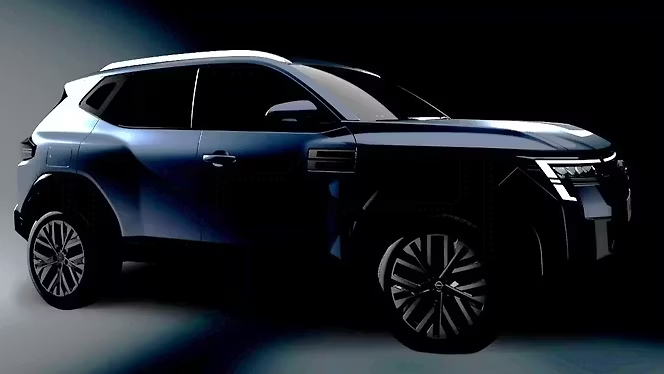
Nissan Tekton (Mid-2026)
Positioned as a rival to the Hyundai Creta, the Nissan Tekton is expected to share its platform and powertrains with the upcoming Renault Duster. The SUV is likely to feature bold styling inspired by Nissan’s global design language, along with a strong focus on safety and technology, including Level 2 ADAS.
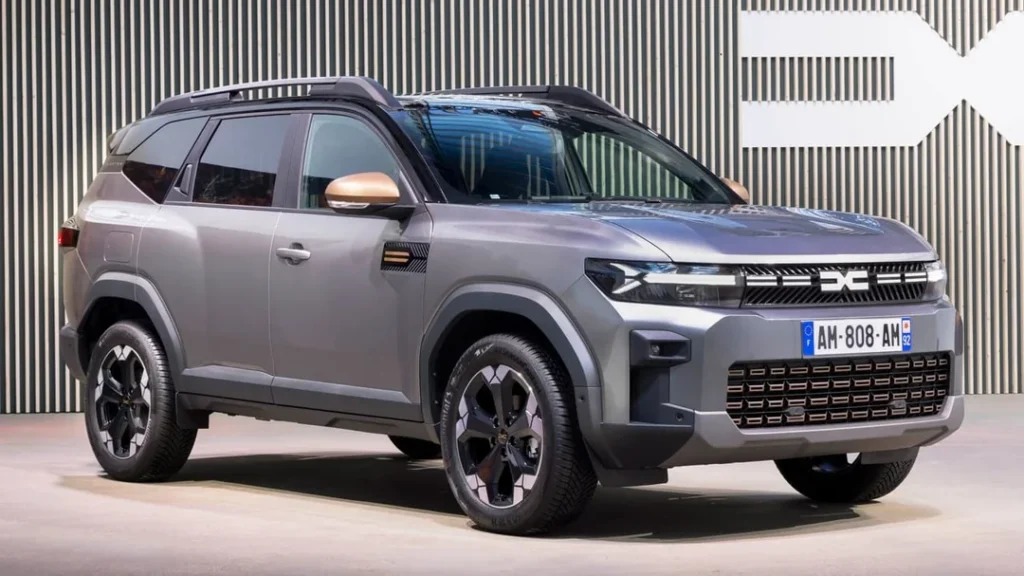
Renault Bigster (Mid-2026)
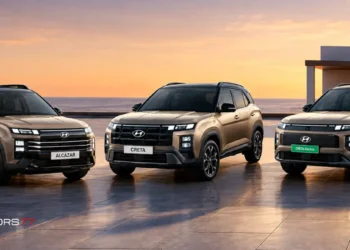
The Renault Bigster is expected to be a three-row derivative of the Duster, featuring a longer wheelbase and increased cabin space. Pricing is likely to range between ₹13–22 lakh, positioning it against models such as the Hyundai Alcazar and Tata Safari.
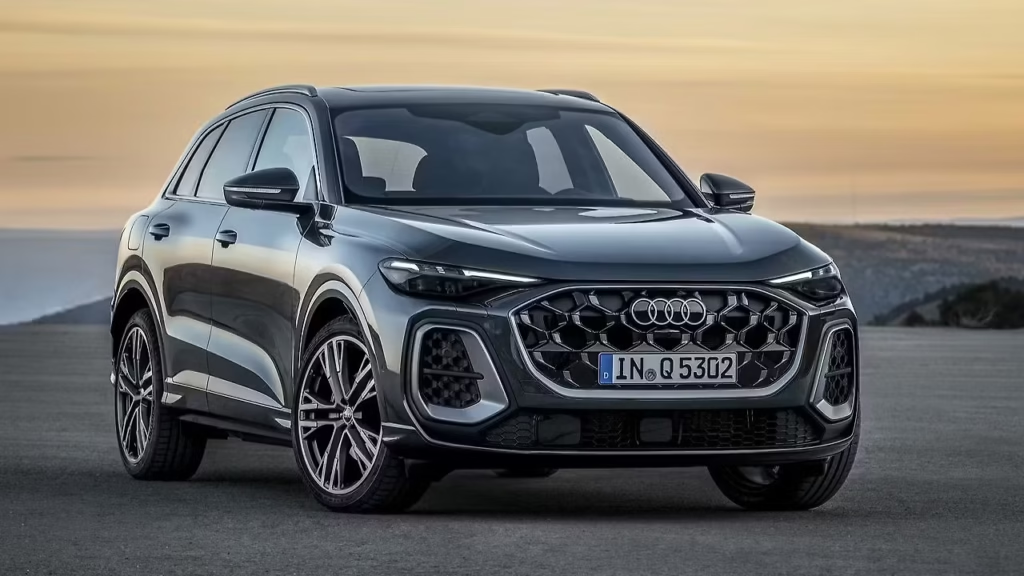
Audi Q5 (June 2026)
Audi is expected to introduce the new-generation Q5 in India with a 2.0-litre turbo-petrol engine paired with 48V mild-hybrid technology. Standard Quattro all-wheel drive and a comprehensively updated interior are also anticipated. Pricing is likely to be in the ₹70–75 lakh range.
What These Upcoming Car Launches in 2026 Mean for You
The breadth of upcoming car launches in 2026 ensures strong options across budgets and body styles. First-time EV buyers are likely to benefit from accessible models such as the Maruti eVitara and Kia Syros EV. Families seeking space and versatility may find appealing choices in the XUV 7XO, Renault Bigster, and Tata Sierra EV.
Safety standards are expected to continue improving across segments, with Level 2 ADAS increasingly becoming common even in mass-market vehicles. Advanced connectivity features, over-the-air updates, and larger infotainment systems are now emerging as baseline expectations rather than premium additions.
Motors77 Verdict
The upcoming car launches in 2026 represent one of the most aggressive product offensives the Indian automotive market has witnessed in recent years. Among the early launches, the Kia Seltos and Mahindra XUV 7XO stand out as key models to watch, offering substantial upgrades that should appeal strongly to buyers in the ₹15–25 lakh range.
For buyers considering electric mobility, the Maruti eVitara appears to be a potential game-changer. Maruti Suzuki’s brand trust, combined with practical driving range and flexible ownership models, could make it an ideal entry point into EV ownership. The Tata Sierra EV and Kia Syros EV provide compelling alternatives for buyers prioritising distinctive design or compact dimensions.
Budget-conscious buyers should keep a close eye on the returning Renault Duster, as competitive pricing combined with modern underpinnings could significantly disrupt the segment. Nissan’s Gravite also offers a value-focused option worth considering.
Our recommendation is clear. If your vehicle purchase timeline extends into 2026, waiting could deliver tangible benefits. The upcoming car launches in 2026 are set to intensify competition, influence pricing strategies, and expand consumer choice, making patience a potentially rewarding decision for Indian car buyers.
For a closer look at Nissan’s upcoming MPV, read our detailed preview of the Nissan Gravite 7-seater MPV, including expected features, engine options, and positioning for India.