Norton Motorcycles is set to unveil four brand-new motorcycles at EICMA Milan on November 4, 2025, marking what could be the most significant comeback in British motorcycling history. Under the ownership of India’s TVS Motor Company and backed by over £200 million in investment, this isn’t just another relaunch, it’s a complete reimagining of the 127-year-old marque.
The iconic British brand, which has faced multiple relaunches over the years, appears to be taking a fundamentally different approach this time. With a world-class leadership team, serious engineering backing, British manufacturing, and a global dealer network rollout, Norton is positioning itself not as a niche heritage brand but as a genuine luxury motorcycle manufacturer with international ambitions.
Here’s everything we know about Norton’s “Resurgence” and what makes this comeback attempt different from all the others.
Norton’s New Model Lineup: What We Know
Norton has confirmed it will unveil four distinct motorcycles at the EICMA show in Milan on November 4, 2025. While the company has been tight-lipped about specific model names and detailed specifications, the lineup is expected to include:
Two Superbikes: High-performance machines that will showcase Norton’s engineering prowess and design philosophy. These are likely to be powered by updated versions of Norton’s V4 engine, which has been extensively tested with nearly 20,000 miles of real-world telemetry data.
One Adventure Bike: This represents Norton’s first serious entry into the adventure touring segment, a category that has exploded in popularity globally. The adventure bike will need to balance Norton’s heritage sporting DNA with the practical demands of long-distance touring and light off-road capability.
Fourth Model (Unspecified): Norton hasn’t revealed details about the fourth motorcycle, though speculation suggests it could be a modern interpretation of the classic Commando or a sport-touring model to round out the range.
What’s particularly interesting is Norton’s claim that these bikes will feature “torque-focused, characterful” engines with performance targets of less than 1 kg per horsepower. This power-to-weight ratio would put them squarely in supercar territory and suggests genuinely serious performance intentions.
The TVS Motor Company Factor: Why This Time Is Different
When TVS Motor Company acquired Norton as a “basket case” in 2020, many observers were skeptical. Another corporate rescue, another round of promises. But five years on, the evidence suggests TVS has been playing the long game, quietly investing in infrastructure, engineering, and talent rather than rushing products to market.
TVS brings several critical advantages that previous Norton owners lacked:
Financial Muscle: The over £200 million investment isn’t pocket change. It represents serious commitment to making Norton viable as a global brand, not just keeping the lights on in a small UK workshop.
Manufacturing Expertise: TVS is one of India’s largest motorcycle manufacturers, with decades of experience in high-volume production, supply chain management, and quality control. This expertise is invaluable for a small British manufacturer trying to scale up.
Global Distribution Network: TVS has established dealer networks across Asia, which gives Norton immediate access to markets that were previously out of reach. The company is also building out dealer networks in Europe and the USA as part of the relaunch.
Patient Capital: Rather than demanding immediate returns, TVS appears willing to invest for the long term, giving Norton’s team time to develop products properly rather than rushing half-finished bikes to market.
TVS Chairman Sudarshan Venu has personally tested the new motorcycles, a hands-on involvement that suggests this isn’t just a portfolio investment but a project the parent company cares deeply about.
The Dream Team: Leadership Behind Norton’s Comeback
One of the most compelling aspects of Norton’s relaunch is the caliber of talent leading the charge. This isn’t a one-person show or a small group of enthusiasts working in a shed. Norton has assembled a genuinely impressive leadership team:
Gerry McGovern – Chief Creative Advisor: McGovern’s name will be familiar to anyone who follows automotive design. As the creative force behind modern Range Rover styling at Jaguar Land Rover, he brings a luxury brand perspective and an understanding of how to create vehicles with genuine emotional impact. His involvement signals Norton’s ambition to compete on design and desirability, not just heritage nostalgia.
McGovern himself has noted that while motorcycles and cars differ in execution, they share the same fundamental requirements: emotional pull, correct proportions, and a stance that commands attention. His philosophy appears to be guiding Norton toward modernity rather than simply mining the back catalog for inspiration.
Simon Skinner – Head of Design: A long-time Norton insider based at the Solihull facility, Skinner brings institutional knowledge and a deep understanding of what makes Norton, Norton. His role is to ensure that McGovern’s creative vision translates into motorcycles that actually work on the road, balancing aesthetics with ergonomics and functionality.
Nevijo Mance – Engineering Lead (Upstream): Mance heads up the engineering side that actually builds and tests the motorcycles. His team has been responsible for the extensive real-world testing program, including the nearly 20,000 miles of telemetry data that has informed the final specifications.
Richard Arnold – Commercial Lead (Downstream): Arnold, whose name will be familiar to Manchester United fans from his time as CEO there, handles the commercial side: dealer networks, sales strategy, and ownership experience. His background in managing premium brands and complex global operations brings crucial business expertise to complement the engineering and design talent.
Sudarshan Venu – Chairman: As head of TVS Motor Company, Venu provides the strategic oversight and financial backing that makes everything possible. His personal involvement in testing the new bikes suggests a genuine passion for the project beyond mere corporate investment.
This blend of automotive luxury expertise, motorcycle engineering experience, commercial acumen, and financial backing is genuinely rare. It’s the kind of team that could actually deliver on Norton’s ambitious promises.
British Manufacturing: The Solihull Connection
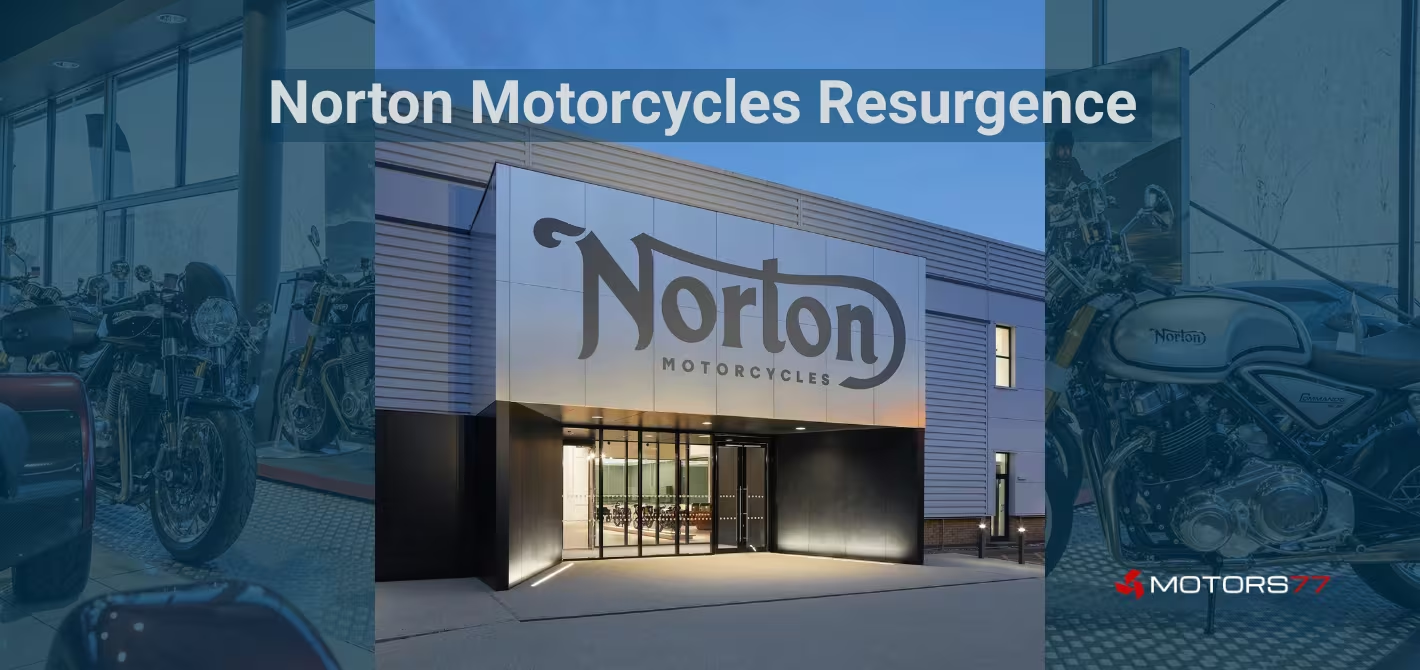
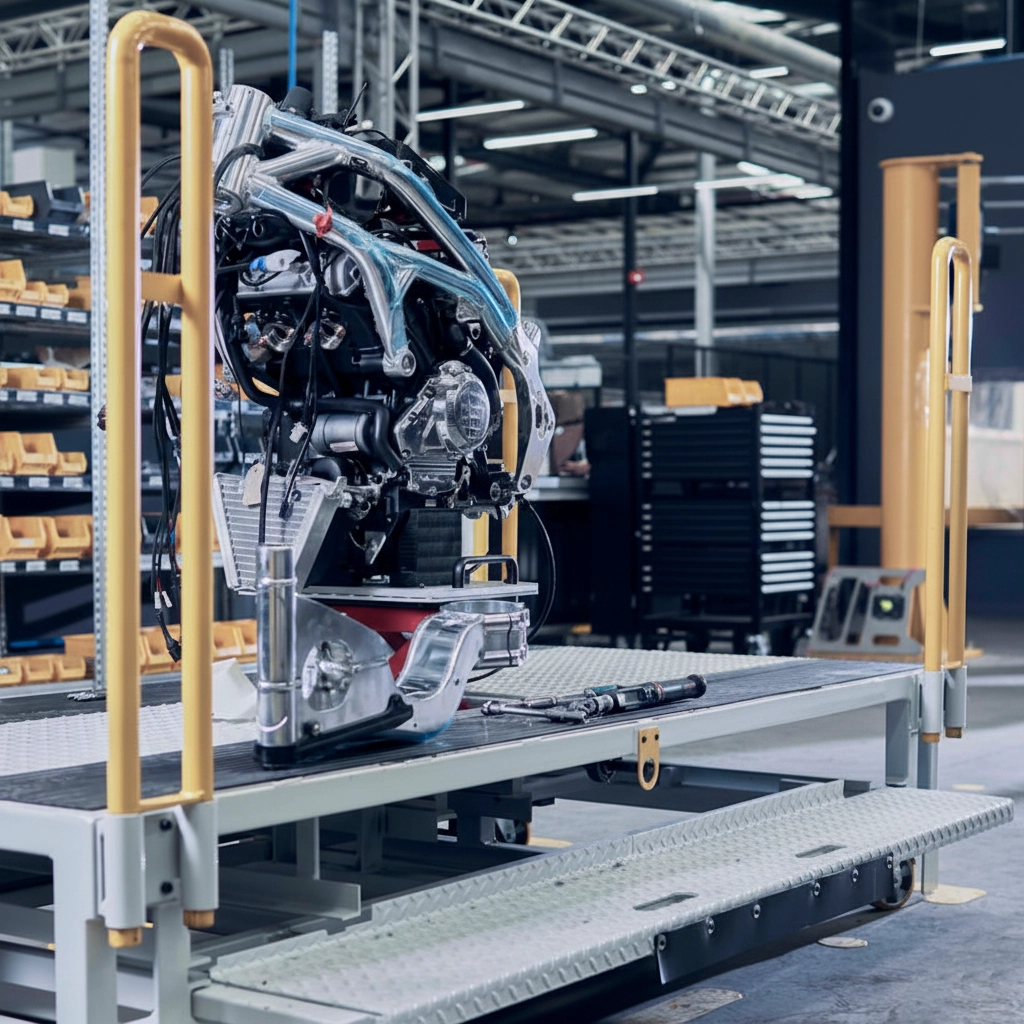
In an era when most motorcycle manufacturing has moved to Asia, Norton is doubling down on British production. The Solihull facility, where the new bikes are being built, represents a significant investment in UK manufacturing capability.
This isn’t just about marketing, it’s about building a premium product in a controlled environment where quality standards can be maintained. Luxury brands from Rolls-Royce to Aston Martin have proven that “Made in Britain” still carries cachet in premium segments, and Norton is clearly aiming to leverage that association.
The Solihull facility houses not just assembly but also design and engineering functions, creating an integrated operation where problems can be identified and solved quickly. This co-location of design, engineering, and manufacturing is a significant advantage over the fragmented approach that plagued previous Norton iterations.
British manufacturing also allows Norton to claim genuine heritage authenticity. When your brand story is built on British motorcycling history, actually building bikes in Britain matters to customers in ways that are hard to quantify but definitely real.
Design Philosophy: Beyond Retro Nostalgia
One of the most encouraging aspects of Norton’s messaging is the emphasis on moving beyond simple heritage replication. While the company obviously respects its 127-year history, which includes legendary TT victories and iconic models like the Commando, the new bikes aren’t just retro exercises.
Gerry McGovern’s involvement signals an intent to create motorcycles with contemporary design language that happens to come from a historic brand, rather than historic designs with modern components bolted on. This is a crucial distinction that separates successful heritage brand revivals from failed ones.
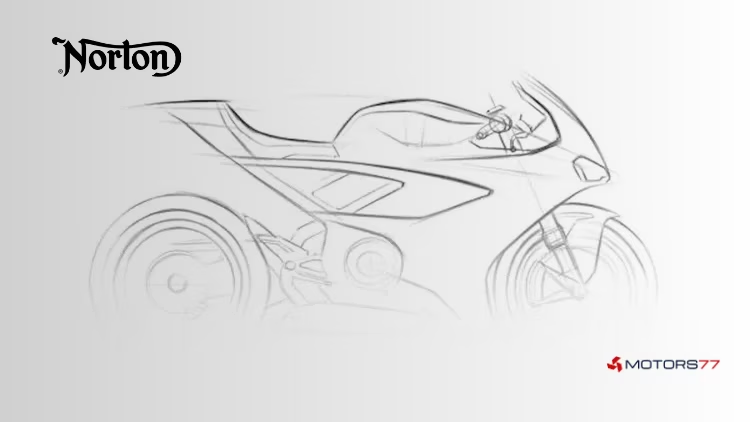
The design sketches released by Norton show clean, purposeful lines with obvious performance intent. There’s sophistication in the surfacing and attention to proportion that suggests these bikes will look distinctive without being derivative.
McGovern has spoken about the importance of “stance” in vehicle design, the way a motorcycle sits and presents itself even when stationary. This focus on presence and proportion over mere styling details is what separates genuinely good design from pastiche.
The new brand identity being developed suggests Norton understands it needs to appeal to a new generation of riders who weren’t born when the original Commandos rolled off production lines, while still respecting the expectations of longtime Norton enthusiasts.
Engineering Ambitions: Performance With Character
Norton’s engineering targets are genuinely ambitious. The claimed target of less than 1 kg per horsepower would put these motorcycles in elite company. For context, most modern superbikes hover around 1 kg/hp, while truly exotic machines dip below. Achieving this while maintaining the “characterful” engine performance Norton promises, and presumably meeting modern emissions regulations, is no small feat.
The emphasis on torque-focused engines suggests Norton isn’t chasing headline horsepower numbers at the expense of real-world rideability. Strong, accessible torque makes for engaging street riding and easier-to-manage track riding, particularly when combined with the kind of power-to-weight ratios Norton is targeting.
The extensive testing program, including nearly 20,000 miles of real-world telemetry, demonstrates a data-driven approach to development. Modern motorcycle engineering increasingly relies on instrumented testing to tune everything from engine mapping to suspension settings to rider aids. That Norton is investing in this kind of development work rather than rushing bikes to market is encouraging.
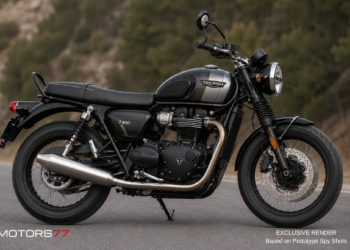
Spy shots of Norton V4 prototypes testing suggest the company has been refining its engines and chassis for several years, not just rushing to meet an arbitrary launch date.
Global Ambitions: Not Just A British Boutique Brand
Perhaps the most significant departure from previous Norton iterations is the global scope of the relaunch. Rather than being a small British manufacturer selling primarily to the UK market with occasional international sales, Norton is positioning itself as a global luxury motorcycle brand from day one.
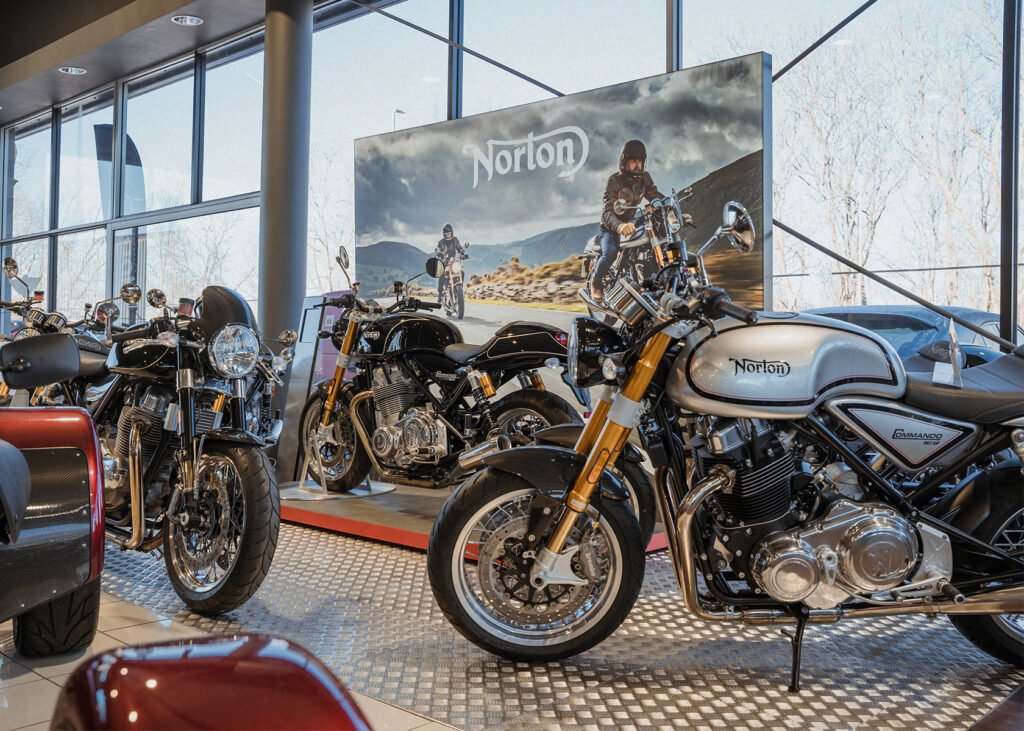
The new dealer network spans Europe, Asia, and North America, giving Norton genuine international reach. This matters enormously for commercial viability. The British market alone cannot support a premium motorcycle manufacturer at the volumes needed to justify the investment TVS has made.
The Asian markets, in particular, represent huge opportunities. Markets like India, Thailand, and Indonesia have enormous and growing motorcycle markets with increasingly affluent consumers looking for premium products. TVS’s existing distribution networks in these markets give Norton immediate access that would take years to build independently.
The European market, while mature, still has strong demand for premium motorcycles, particularly in countries like Germany, Italy, and France where motorcycling culture is deeply embedded. Norton’s British heritage plays well in these markets, where brands like Triumph have demonstrated sustained success.
The North American market is perhaps the most challenging but also the most lucrative. The US market favors larger, more comfortable motorcycles, which suggests Norton’s adventure bike could be particularly important for American success. Building a dealer network from scratch in the US is expensive and time-consuming, but TVS’s backing makes it feasible.
Premium Ownership Experience: Beyond The Bike
Norton’s messaging emphasizes “premium ownership standards,” suggesting the company understands that selling expensive motorcycles requires more than just good products. The total ownership experience, from initial purchase through service and long-term ownership, needs to match the premium positioning.
This includes properly trained dealer technicians who can maintain and repair sophisticated motorcycles, parts availability that doesn’t leave owners waiting months for components, and customer service that treats buyers like valued clients rather than transaction numbers.
Richard Arnold’s commercial experience will be crucial here. Premium brands succeed or fail based on their ability to deliver consistently excellent experiences across every customer touchpoint. A brilliant motorcycle undermined by poor dealer support or parts shortages is still a failed product.
The challenge for Norton will be maintaining premium standards while building a global dealer network. Ensuring consistent quality across dealers in different countries with varying business cultures is difficult but essential for brand integrity.
The Heritage Burden: High Expectations And Past Disappointments
Norton’s history is both an asset and a liability. The brand’s racing heritage, iconic designs, and place in British motorcycling lore create instant recognition and emotional connection. But that history also includes recent disappointments and failed relaunches that have left some potential customers skeptical.
The British motorcycling community is particularly protective of native brands. They want Norton to succeed, but they’ve been disappointed before. Previous ownership groups made promises that weren’t kept, delivered unreliable products, or simply couldn’t achieve commercial viability.
This means Norton faces higher scrutiny and less tolerance for mistakes than a completely new brand would. The bikes need to work flawlessly from launch. The dealer network needs to function properly. The ownership experience needs to justify the premium prices Norton will undoubtedly charge.
There’s also the challenge of regulatory complexity. Modern motorcycles must meet increasingly strict emissions standards while delivering the performance customers expect. European regulations in particular continue to tighten, and designing motorcycles that comply while remaining desirable is genuinely difficult.
The Parallels: Hislop’s 1992 TT Victory
Norton’s reference to Steve Hislop’s legendary 1992 Senior TT victory on a Norton V4 is particularly apt. That race, which saw Hislop battle Yamaha’s Carl Fogarty in one of the greatest TT races ever, ended a decades-long drought for British manufacturers at the Isle of Man.
The parallels are obvious. Then, as now, Norton was attempting a comeback after years in the wilderness. Then, as now, skeptics doubted whether a small British manufacturer could compete with established Japanese giants. Hislop’s victory proved the doubters wrong, but it took a brilliant rider on a well-engineered motorcycle to make it happen.
Norton’s current situation is similar. The global motorcycle market is dominated by Japanese, European, and increasingly Chinese manufacturers with vast resources. For Norton to succeed, it needs not just good motorcycles but excellent ones. The execution has to be near-flawless.
The difference is that in 1992, Norton needed to win one race. In 2025, Norton needs to win thousands of individual customer decisions to buy its motorcycles over established alternatives. That’s a much longer and more difficult race.
What Success Looks Like
If Norton pulls this off successfully, it could be one of motorcycling’s great comeback stories. But what would success actually look like?
Product Excellence: The four new motorcycles need to be genuinely competitive with established rivals, not just “good for a British brand.” They need to start reliably, perform as promised, and not develop the kinds of teething problems that plagued previous Norton iterations.
Commercial Viability: Norton needs to achieve sustainable production volumes that justify TVS’s investment. This doesn’t mean selling hundreds of thousands of motorcycles annually like Honda or Yamaha, but it does mean building and selling enough bikes to cover costs and generate returns.
Brand Establishment: Norton needs to establish itself in customer minds not as a heritage curiosity but as a legitimate choice alongside Ducati, BMW, Triumph, and other premium manufacturers. This requires sustained product quality, marketing investment, and time.
Dealer Network Success: The international dealer network needs to function properly, with trained technicians, available parts, and dealers who are profitable enough to stay in the network long-term.
Customer Satisfaction: Ultimately, Norton’s success will be measured by whether customers who buy the new motorcycles are happy with their purchase and recommend the brand to others. Positive word-of-mouth from satisfied owners is invaluable for premium brands.
The Road Ahead: EICMA And Beyond
November 4, 2025, at EICMA Milan will be the moment of truth. After years of development, investment, and preparation, Norton will finally show the world what it’s been working on. The four new motorcycles will be judged by motorcycle journalists, industry insiders, and potential customers based on their design, specifications, and the story Norton tells about them.
But the real test comes after EICMA. Can Norton actually deliver these motorcycles to customers in reasonable timeframes? Will the bikes perform as promised? Will the dealer network function properly? Will early adopters be satisfied with their purchases and become brand ambassadors?
These questions won’t be answered on a show stand in Milan. They’ll be answered over months and years as the new Norton motorcycles make their way into the real world and face the ultimate test: satisfying customers who have chosen to spend significant money on a reborn British brand.
Motors77 Verdict
Norton’s “Resurgence” represents the most serious attempt yet to revive this storied British marque. With TVS’s financial backing, a world-class leadership team, substantial engineering development, British manufacturing, and genuinely global ambitions, Norton has assembled the ingredients for success.
The involvement of Gerry McGovern brings luxury automotive design thinking to motorcycles, potentially creating bikes that stand out in crowded market segments. The extensive real-world testing and focus on achieving supercar power-to-weight ratios suggests genuine engineering ambition rather than just heritage marketing.
The four-model launch strategy is bold but smart. By entering multiple segments simultaneously, Norton can appeal to different rider types and spread its commercial risk. The inclusion of an adventure bike is particularly clever, targeting one of motorcycling’s fastest-growing segments where Norton has no legacy baggage to live up to.
However, significant challenges remain. The premium motorcycle market is brutally competitive, with established players like Ducati, BMW, and Triumph offering excellent products backed by decades of reputation building. Norton will need flawless execution to compete effectively.
The British motorcycling community wants Norton to succeed, but they’ll judge the new bikes harshly if they don’t live up to promises. Heritage brands don’t get participation trophies. The products need to be genuinely excellent, not just good enough.
If Norton delivers on its promises with reliable, desirable motorcycles backed by proper dealer support, it could indeed be one of motorcycling’s greatest comeback stories. If the execution falters, it will join the long list of heritage brand revivals that promised much but delivered little.
On November 4, we’ll get our first real look at whether Norton’s “Resurgence” is genuine or just another false dawn. Until then, the smart money is on cautious optimism. TVS has invested too much and assembled too strong a team for this to be a half-hearted effort. But as Steve Hislop proved in 1992, having the right ingredients only matters if you can put them together perfectly when it counts.
The racing season for Norton starts at EICMA. Whether it ends in victory or disappointment will be determined by how these motorcycles perform in the real world, in the hands of paying customers who expect their premium purchase to deliver premium satisfaction.
Frequently Asked Questions
Q: When will Norton’s new motorcycles be available to purchase?
While Norton hasn’t announced specific delivery dates, motorcycles unveiled at EICMA in November 2025 typically reach dealerships 6-12 months later. Expect the first deliveries in mid-to-late 2026, with production ramping up through 2027.
Q: How much will the new Norton motorcycles cost?
Norton hasn’t released pricing information yet, but given the premium positioning, British manufacturing, and performance targets, expect pricing comparable to premium brands like Ducati and BMW. The superbikes will likely start around £15,000-£20,000, with the adventure bike potentially positioned slightly lower.
Q: Will Norton motorcycles be available globally?
Yes, Norton is establishing dealer networks in Europe, Asia, and North America. This represents a major departure from previous iterations that focused primarily on the UK market. TVS’s backing enables this global approach.
Q: What engine will power the new Norton motorcycles?
While not officially confirmed, the superbikes are expected to use updated versions of Norton’s V4 engine. The adventure bike may use a different engine configuration optimized for torque and touring capabilities.
Q: Is Norton still owned by TVS Motor Company?
Yes, TVS Motor Company of India acquired Norton in 2020 and has invested over £200 million in the brand’s revival. TVS provides the financial backing, manufacturing expertise, and global distribution network supporting Norton’s comeback.
Q: Where are the new Norton motorcycles being built?
The new motorcycles are being manufactured at Norton’s Solihull facility in the UK. This British manufacturing is a key part of Norton’s premium brand positioning and heritage authenticity.
Q: How does this Norton relaunch differ from previous attempts?
This relaunch has substantially more financial backing (£200m+ from TVS), a stronger leadership team with luxury automotive experience, British manufacturing facilities, extensive engineering development including 20,000 miles of testing, and a global dealer network strategy. Previous relaunches lacked these fundamental supports.
Disclaimer: Information in this article is based on Norton’s official announcements and public information available as of October 2025. Specific model details, pricing, specifications, and availability dates will be confirmed at the official EICMA reveal on November 4, 2025. Features, specifications, and release dates are subject to change.
Note: Norton’s revival is part of TVS Motor Company’s growing global ambitions. You can also read our in-depth feature on TVS Apache RTX 300: A New Contender in India’s Adventure Touring Segment to see how the Indian brand is shaping the future of performance motorcycling.