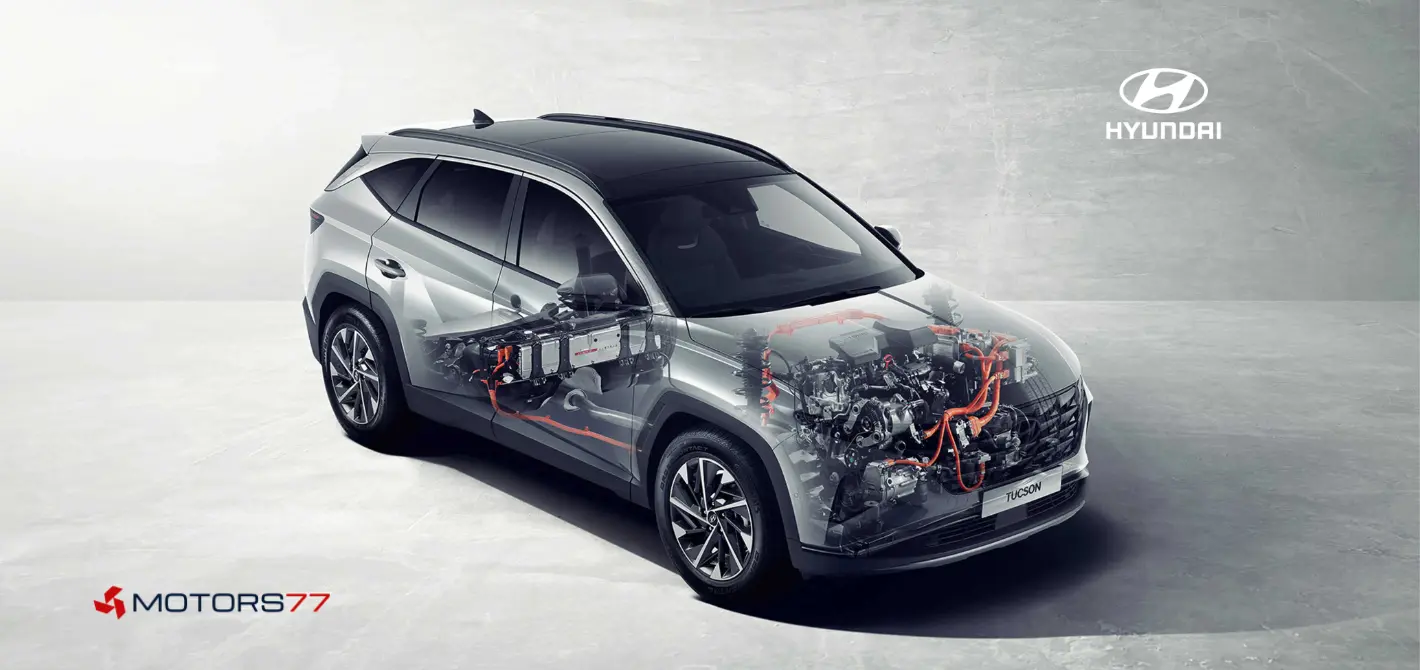
For years, buying a strong hybrid SUV in India meant choosing between badges rather than technologies. The Maruti Grand Vitara, the Toyota Hyryder and the Maruti Victoris are three different cars, but under the bonnet they share essentially the same 1.5 litre, 116 PS hybrid system. Toyota accounts for roughly 84 percent of all strong hybrid sales in the country.
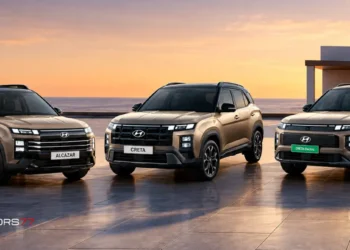
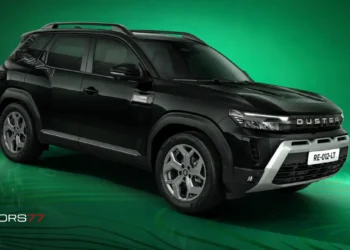
That era of limited choice for hybrid cars in India is ending. Renault launched the Duster hybrid this week with a completely different system and 160 PS. Hyundai has outlined plans for eight hybrids by 2030. Kia has confirmed a strong hybrid Seltos for India. Mahindra is evaluating hybrids and range extenders, and Maruti is reported to be developing its own system for smaller cars.
Hybrid cars in India are about to move from a niche dominated by one technology to a genuinely competitive market. Three forces are making it happen at once, and together they point to one of the most exciting shifts the Indian car market has seen in years.
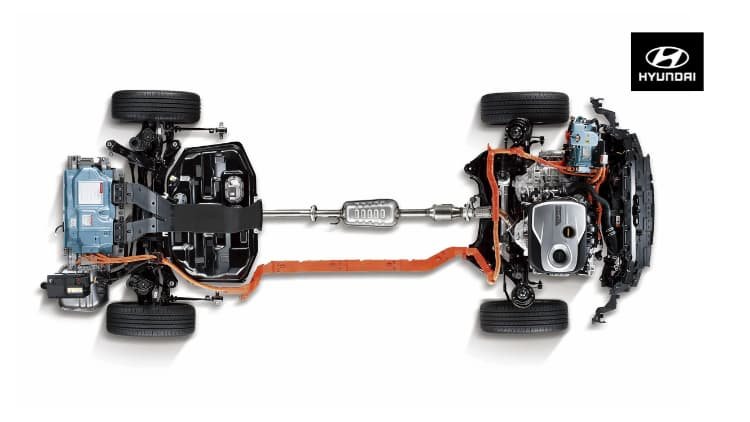
Where hybrid cars in India stand today
Start with an honest look at the numbers, because they explain why this moment matters.
| Powertrain | H1 2025 | H1 2026 | Change |
|---|---|---|---|
| Strong hybrid | 57,847 | 57,885 | Steady |
| Electric | 82,535 | 1,48,023 | Up 79 percent |
Strong hybrid volumes held steady at close to 58,000 units in the first half of 2026, while electric cars grew rapidly with a wave of new models from several manufacturers. That contrast is revealing. Electric sales took off once buyers had plenty of choice across brands and price points. Buyers of hybrid cars in India, meanwhile, have had a handful of models sharing one powertrain, almost all of them priced above Rs 16 lakh.
The existing market is substantial, even if it has yet to show the growth seen in EVs. The Innova Hycross alone accounts for close to half of all strong hybrid sales, a sign that when the right product exists, Indian buyers embrace it. What the segment has lacked is variety. That is precisely what is about to change.
Force one: the new CAFE III rules reward hybrids
On 30 September 2026, the government notified the third phase of Corporate Average Fuel Economy norms, known as CAFE III. They apply from 1 April 2027 to 31 March 2032, and they give hybrid cars in India their strongest policy backing yet.
CAFE norms look at a manufacturer’s whole fleet rather than individual cars. Each carmaker must keep the average fuel consumption of everything it sells below a target that tightens over time. To encourage cleaner technology, the rules give certain vehicles extra weight, called super credits.
| Powertrain | Counts as |
|---|---|
| Electric car or range extender | 3.0 vehicles |
| Plug in hybrid | 2.5 vehicles |
| Flex fuel strong hybrid | 2.5 vehicles |
| Strong hybrid | 1.6 vehicles |
| Flex fuel petrol car | 1.1 vehicles |
In simple terms, if a carmaker sells 100 cars and ten of them are strong hybrids, those ten carry the weight of sixteen vehicles in the fleet calculation. Vehicles running on E20 or higher ethanol blends, including strong hybrids, also receive an 8 percent carbon neutrality factor on their emissions.
For manufacturers, this makes hybrid cars in India one of the most practical tools available. A strong hybrid adds a small battery of roughly 1 to 2 kWh to an engine and platform the company already builds, while still earning substantial compliance value. For brands still building up their electric line ups, hybrids offer a fast and affordable path to cleaner fleets.
Force two: buyers who need what EVs cannot yet offer
Electric cars are growing quickly, and that is excellent news. But a large group of buyers still has needs that hybrid cars in India meet especially well.
Many families have no dedicated home charging point, particularly in apartment buildings. Many drivers cover long highway distances, often well beyond the reach of a single EV charge. Many buyers want a larger SUV or a seven seater, where suitable electric options remain limited. For all of them, a strong hybrid offers much of the efficiency benefit of electrification with the convenience of filling up at any petrol pump.
The Duster hybrid illustrates the appeal neatly. It claims a certified 29 kmpl and a total range of up to 1,400 km, with no charging required at all. For a family that drives across states for festivals and weddings, that combination is hard to beat.
Hybrid cars in India and EVs are not really competing for the same buyer. They are expanding the overall market for electrified cars together, each reaching people the other cannot easily serve.
Force three: flex fuel hybrids could be the next big leap
Look again at the super credit table. A flex fuel strong hybrid earns 2.5 credits, almost the same as an electric car, and well above the 1.6 earned by an ordinary strong hybrid.
This is one of the most promising details in the new rules for hybrid cars in India. A hybrid that can run on high ethanol blends could deliver near EV level compliance value without needing a large battery or charging infrastructure, while supporting India’s ethanol programme and its farmers. Toyota showed a flex fuel strong hybrid prototype of the Innova Hycross as early as 2023, demonstrating the technology is already within reach.
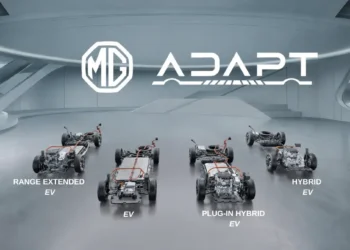
Range extenders deserve a mention too. They earn the full 3.0 credit, the same as a pure EV. That gives fresh significance to plans such as MG’s ADAPT platform, which was designed from the start to support range extender models, and to Mahindra’s reported work in the same area.
A note on tax
Since GST 2.0 arrived on 22 September 2025, hybrids are taxed the same as conventional cars of the same size: 18 percent for small cars under four metres, and 40 percent for larger ones. Electric cars pay 5 percent.
That means hybrids no longer enjoy the tax gap they once had over comparable petrol SUVs. The encouraging part is that they are growing in importance anyway, which shows the case for hybrid cars in India now rests on genuine running cost savings and policy support rather than on a tax concession. Should the GST Council ever revisit hybrid taxation, it would only add momentum.
Who is bringing hybrid cars in India next
| Manufacturer | Hybrid plan | Status |
|---|---|---|
| Toyota and Maruti | Grand Vitara, Hyryder, Victoris, Hycross | On sale |
| Renault | Duster hybrid, 160 PS, from Rs 16.99 lakh | Launched October 2026 |
| Hyundai | Eight hybrids by 2030, first in 2027 | Announced |
| Kia | Seltos hybrid for India | Confirmed, 2027 expected |
| Mahindra | Strong hybrids and range extenders | Under evaluation |
| Maruti | Own hybrid system for smaller cars | Reported |
| Tata | Open to hybrids based on demand | Watching the market |
That table tells the real story. Within roughly two years, Indian buyers could choose between hybrid systems from Toyota, Renault, Hyundai and Kia, possibly with Maruti’s own system and Mahindra’s range extenders joining them. Competition on that scale tends to bring better technology, wider choice and sharper prices.
Why does this matter?
Here is the gap between the headline numbers and the fuller picture. Steady hybrid sales might look like a segment going nowhere. In reality, they show a segment that has been waiting for choice. Buyers have had essentially one hybrid technology, from one dominant manufacturer, mostly above Rs 16 lakh. When EVs gained variety, sales soared. Hybrid cars in India are now on the verge of the same transformation.
The timing is ideal. CAFE III gives every manufacturer a strong reason to sell hybrids in volume, and a manufacturer that needs volume has every incentive to price competitively. The Duster hybrid is an early sign of what that competition looks like. It is priced between the Victoris and the Hyryder, yet its 160 PS and certified 29 kmpl compare with 116 PS and 28.65 kmpl for the Victoris and 116 PS and 27.97 kmpl for the Hyryder.
For buyers, the next few years should bring hybrid cars in India across more segments, potentially including smaller and more affordable cars, along with more powertrain variety and better value. For the industry, it means a broader, healthier path to cleaner transport, with EVs, hybrids, CNG and ethanol each playing a part.
What hybrids offer, and what to watch
What hybrids offer
- Large fuel savings, especially in city traffic where they often run on electric power
- No charging needed, so ownership feels just like a petrol car
- Excellent range, often well beyond 1,000 km on a full tank
- Meaningful CAFE III credit, encouraging manufacturers to invest
- Flex fuel versions could soon earn near EV level credit
What to watch
- Price premium over petrol versions, which takes time to recover for low mileage users
- Same GST rate as petrol cars of similar size since GST 2.0
- Choice in smaller, more affordable segments is still to arrive
- Real world efficiency varies with driving style and conditions
Frequently Asked Questions
1. Are hybrid cars in India becoming more popular? Strong hybrid sales held steady at around 58,000 units in the first half of 2026, but a wave of new models from Renault, Hyundai, Kia and others is set to widen choice significantly over the next two years.
2. Why are so many carmakers launching hybrids now? Mainly because CAFE III fuel efficiency norms, effective April 2027, count each strong hybrid as 1.6 vehicles in fleet calculations, alongside clear buyer demand for fuel efficient cars that need no charging.
3. What are CAFE III norms? Fleet wide fuel efficiency rules for passenger vehicles from 1 April 2027 to 31 March 2032, which require each manufacturer to keep the average fuel consumption of its sales below a tightening target.
4. Which hybrid cars are available in India today? In the mass market, the Maruti Grand Vitara, Toyota Hyryder, Maruti Victoris and the new Renault Duster hybrid, along with the Toyota Innova Hycross MPV and the Honda City hybrid sedan.
5. Which new hybrid cars in India are coming? Hyundai plans eight hybrids by 2030, starting in 2027. Kia has confirmed a Seltos hybrid. Mahindra is evaluating hybrids and range extenders, and Maruti is reportedly developing its own hybrid system for smaller cars.
6. What is a flex fuel strong hybrid? A strong hybrid that can run on high ethanol petrol blends. Under CAFE III it earns a 2.5 super credit, almost as much as an electric car.
7. Will hybrid cars in India become cheaper? Increased competition and manufacturers’ need for hybrid volume under CAFE III both point towards more competitive pricing and wider choice over the next few years.
Motors77 Verdict
Hybrid cars in India are standing at the start of their most exciting chapter.
Until now, the segment has been held back not by a lack of interest but by a lack of choice. Buyers have had one dominant hybrid technology, sold under a few badges, mostly above Rs 16 lakh. The strong performance of the Innova Hycross shows what happens when the right hybrid meets the right buyer, and the rapid growth of electric cars shows what happens when variety arrives.
That variety is now on its way. CAFE III gives manufacturers a powerful reason to build and sell hybrids in volume, the flex fuel credit opens a promising path that suits India’s ethanol ambitions, and buyers without home charging or with long highway journeys have a technology that fits their lives today. Renault has already fired the first shot with the Duster hybrid, and Hyundai, Kia, Mahindra and Maruti are lining up behind it.
The next two years should transform hybrid cars in India and what buyers can choose from. More systems, more segments, more competition and, very likely, better prices. If you have been waiting for the hybrid market to offer real choice, the wait is nearly over.