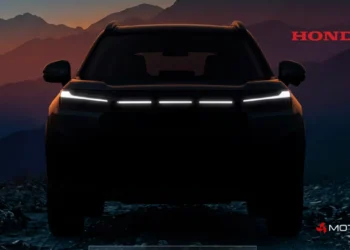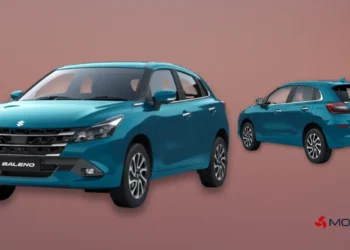
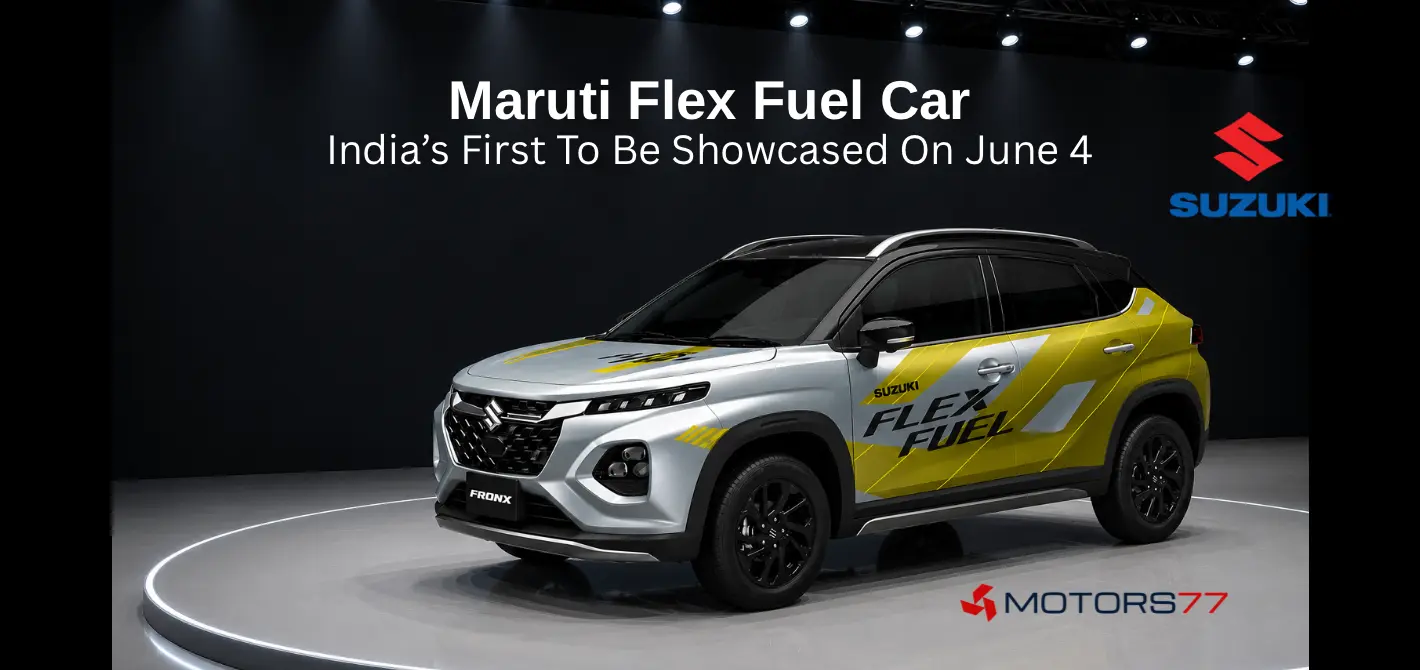
The Maruti flex fuel car is set to make history. Maruti Suzuki has confirmed it will showcase India’s first flex fuel car on 4 June 2026, just ahead of World Environment Day, marking the country’s first passenger vehicle capable of running on pure ethanol. It is a genuine milestone, because until now not a single flex fuel four wheeler has been on sale in India.
This is more than just a new model. It is the start of a major shift in how Indian cars are fuelled, away from imported crude oil and towards home grown ethanol. Here is everything you need to know about the Maruti flex fuel car showcase, the likely models, and a clear explanation of how flex fuel technology actually works.
Maruti Flex Fuel Car: Showcase Details
The event will be a high profile affair, signalling how seriously both Maruti and the government are taking the move to ethanol.
| Detail | Information |
|---|---|
| Showcase date | 4 June 2026 |
| Venue | Taj Palace, Delhi |
| Occasion | Ahead of World Environment Day (June 5) |
| Key guests | Nitin Gadkari and Hardeep Singh Puri |
| Fuel capability | Up to E100 (100 percent ethanol) |
| Likely models | WagonR and Fronx flex fuel |
Union Minister for Road Transport and Highways Nitin Gadkari, who confirmed the plan, has said the upcoming Maruti will be capable of running on 100 percent ethanol, or E100. Speaking in Nagpur, he said the Delhi programme will see Maruti launch vehicles running 100 percent on ethanol. He will be joined by Union Minister for Petroleum and Natural Gas Hardeep Singh Puri at the event.
Which Cars Could Maruti Showcase?
Maruti Suzuki has not officially named the model yet, but two strong candidates stand out based on its earlier prototypes.
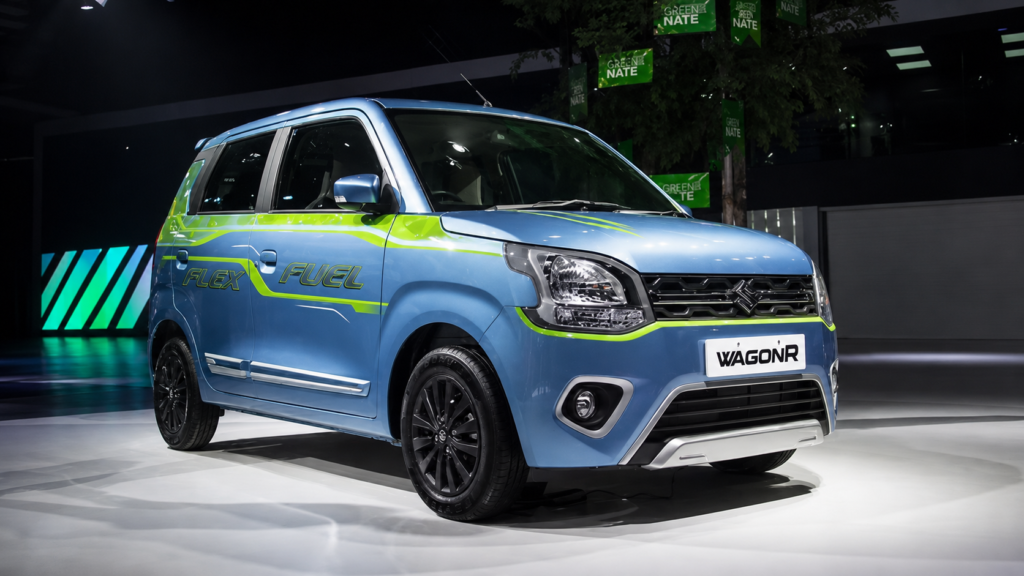
The first is the WagonR flex fuel, whose prototype was shown at the Bharat Mobility Global Expo in Delhi back in 2024. The second is the Fronx flex fuel, an E85 capable version of which was displayed at the Japan Mobility Show in 2025. Given Gadkari’s mention of E100 capability, the production car may be a further developed version of these prototypes, upgraded to handle pure ethanol. Maruti executives have repeatedly said the company already has the technology ready and is waiting to support the government’s push.
What Is Flex Fuel Technology?
A flex fuel vehicle, or FFV, is a car that can run on more than one type of fuel from the same tank. Instead of being locked to petrol, it can run on petrol, ethanol, or any blend of the two, and switch between them seamlessly without the driver doing anything.
The key is that the car automatically detects how much ethanol is in the tank and adjusts itself to suit. So you could fill up with regular petrol one day and a high ethanol blend the next, and the car simply adapts. India currently uses an E20 blend as standard, but a true flex fuel car can handle far higher concentrations.
| Blend | Ethanol Content | Notes |
|---|---|---|
| E20 | 20 percent ethanol | Current India standard |
| E85 | 85 percent ethanol | Common global flex fuel blend |
| E100 | 100 percent ethanol | Pure ethanol, Maruti’s target |
How A Flex Fuel Engine Works
This is where the clever engineering comes in. Ethanol behaves differently from petrol. It is more corrosive, it absorbs moisture more easily, and it is harder to ignite when cold. To cope with this, a flex fuel engine needs several specific changes over a normal petrol unit.
| Component | Change For Flex Fuel |
|---|---|
| Fuel sensor | Detects the ethanol percentage in the tank |
| Engine ECU | Adjusts fuel injection and ignition timing automatically |
| Fuel lines and seals | Made from corrosion resistant materials |
| Injectors and pump | Upgraded to handle higher ethanol flow |
| Cold start system | Added to help ignite ethanol in cold conditions |
At the heart of it all is a sensor and the engine’s brain, the ECU. The sensor reads the ethanol content, and the ECU instantly recalibrates the fuel injection and spark timing to match. Because ethanol has a higher octane rating than petrol, the engine can actually run efficiently on it, but the fuel system hardware must be tougher to resist ethanol’s corrosive nature. This is why a flex fuel car is not simply a regular car with different fuel poured in.
Ethanol vs Petrol: The Key Differences
Ethanol and petrol each have strengths and weaknesses, and understanding them explains both the appeal and the catch of flex fuel cars.
| Factor | Ethanol | Petrol |
|---|---|---|
| Source | Renewable crops like sugarcane and corn | Crude oil, largely imported |
| Octane rating | Higher | Lower |
| Energy density | Lower | Higher |
| Fuel efficiency | Lower, so more consumption | Higher |
| Tailpipe emissions | Cleaner, lower net carbon | Higher |
| Cost per litre | Potentially cheaper | Higher |
The single biggest trade off for buyers is efficiency. Because ethanol carries less energy per litre than petrol, a car running on high ethanol blends will return lower mileage, meaning you use more fuel to cover the same distance. As a rough guide, the mileage drop grows as the blend gets richer.
| Fuel Blend | Typical Mileage Impact |
|---|---|
| E20 | Minimal difference |
| E85 | Around 20 to 30 percent lower |
| E100 | Up to 30 to 35 percent lower |
These figures are approximate and vary with the engine and driving style. The hope is that cheaper ethanol and cleaner running offset that drop at the pump.
The Government Push Behind Flex Fuel
The Maruti flex fuel car does not arrive in isolation. It is part of a much bigger national plan to cut India’s dependence on imported oil and reduce pollution. Ethanol is made from crops like sugarcane, corn, rice and wheat, all grown in India, so every litre of ethanol used is a litre of crude oil not imported.
To make the fuel available, the government plans to set up around 5,000 E100 ethanol fuel stations across the country within the next two years. Officials are also discussing raising the mandatory ethanol blend in petrol beyond the current E20 level, potentially towards E25, and Gadkari has suggested flex fuel capability could become mandatory for carmakers within six to eight months. In short, this is a coordinated push, and Maruti is positioning itself at the front of it.
What The Flex Fuel Car Means For Indian Buyers
For everyday buyers, the appeal is the promise of cheaper, cleaner running once ethanol is widely sold. Ethanol usually costs less per litre than petrol, which can soften the blow of the lower mileage that comes with high ethanol blends. The flexibility is the real win, because you are never stranded. If an E100 pump is not nearby, the same car runs happily on ordinary petrol or the regular E20 blend you already use today. The honest advice for now is to watch how quickly the ethanol pump network grows in your city, since the technology is only as useful as the fuel you can actually buy. For most people, the smart move is to follow the June 4 showcase and the fuel rollout closely before making a decision.
Quick Pros & Cons Of Flex Fuel Cars
Here is the honest snapshot of what flex fuel technology means for buyers.
Pros
- Cleaner, greener motoring with lower net carbon emissions.
- Cuts India’s reliance on expensive imported crude oil.
- Runs on home grown, renewable ethanol made from Indian crops.
- True fuel flexibility, working on petrol or any ethanol blend.
- Ethanol’s high octane suits modern, efficient engines.
Cons
- Lower fuel efficiency, since ethanol has less energy than petrol.
- Very few E85 or E100 fuel stations available right now.
- Ethanol production from some crops is water intensive.
- Possible small cost premium for the upgraded fuel system.
Maruti Flex Fuel Car: Frequently Asked Questions
1. What is a flex fuel car?
A flex fuel car can run on petrol, ethanol or any blend of the two from the same tank. It automatically detects the ethanol content and adjusts the engine to suit, with no driver input needed.
2. When is Maruti showcasing its flex fuel car?
Maruti Suzuki will showcase India’s first flex fuel car on 4 June 2026 at the Taj Palace in Delhi, ahead of World Environment Day on June 5.
3. Which Maruti model will be the flex fuel car?
Maruti has not confirmed the model, but the WagonR and Fronx are the strongest candidates, as flex fuel prototypes of both have already been shown.
4. What is E100 fuel?
E100 is fuel made of 100 percent ethanol. The Maruti flex fuel car is expected to be India’s first passenger vehicle capable of running on pure ethanol.
5. Does a flex fuel car give lower mileage?
Yes. Because ethanol contains less energy than petrol, running on high ethanol blends typically reduces fuel efficiency, so the car uses more fuel per kilometre.
6. Can a flex fuel car run on normal petrol?
Yes. A flex fuel car can run on regular petrol, the current E20 blend, or much higher ethanol blends, switching between them automatically.
7. Where will I be able to fill ethanol fuel?
The government plans to set up around 5,000 E100 ethanol stations across India within two years, since high ethanol fuel is not widely available yet.
Motors77 Verdict
The Maruti flex fuel car is one of the most significant developments in the Indian car market this year, even though it is only a showcase for now. It signals that the country’s biggest carmaker is ready to back ethanol in a big way, and the technology itself is proven. In Brazil, flex fuel vehicles already make up more than 80 percent of new car sales, so India is adopting a recipe that has worked at scale for decades.
The promise is genuinely exciting. Cleaner air, lower oil imports and a fuel grown by Indian farmers all make a compelling case. The honest catch is twofold. Fuel efficiency drops on high ethanol blends, and the network of E100 pumps simply does not exist yet, which is why the planned 5,000 stations are so important.
At Motors77, our verdict is that the June 4 showcase is a landmark moment worth watching closely. If the fuel infrastructure and pricing incentives arrive as promised, flex fuel cars could become a real, affordable and greener choice for everyday Indian buyers. For now, the Maruti flex fuel car is the clearest sign yet that India’s shift to cleaner fuels is finally moving from talk to reality.