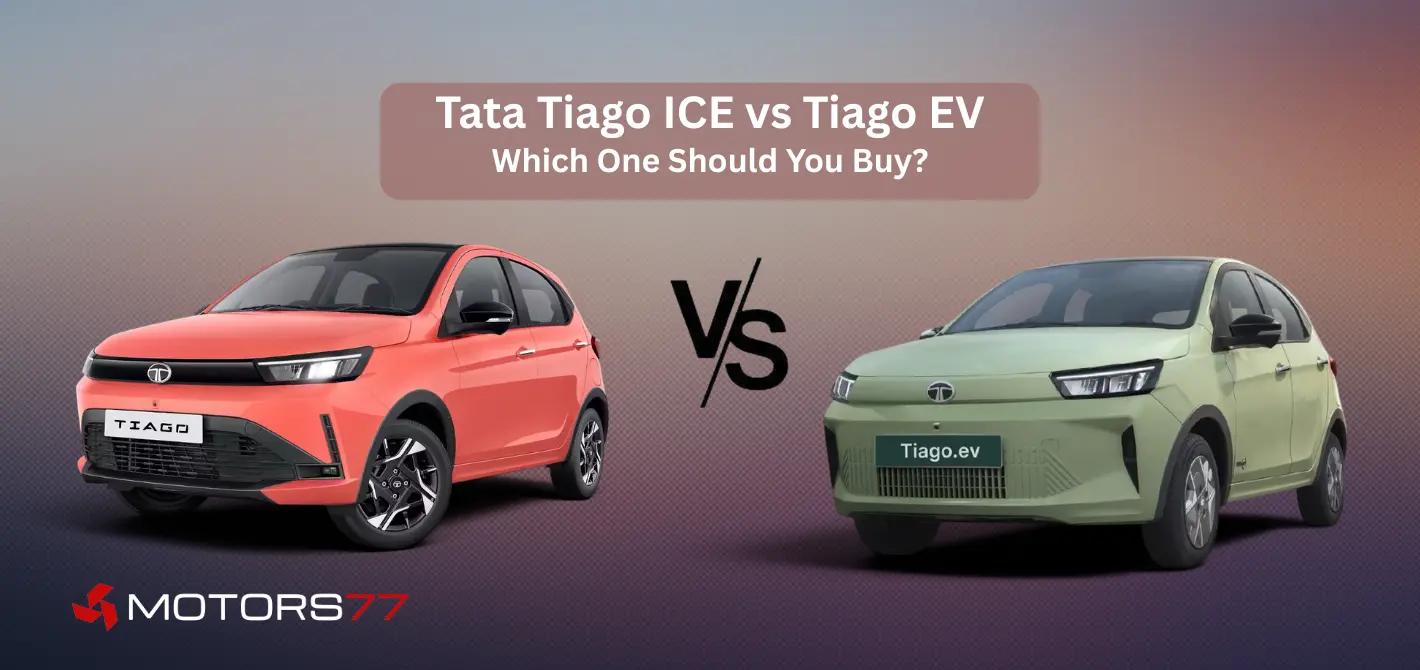
The Tiago ICE vs Tiago EV question is one of the most relevant any budget car buyer in India can ask right now. Tata Motors launched heavily updated versions of both the petrol and CNG Tiago and the electric Tiago EV on May 28, 2026, so you now get the same likeable, practical hatchback with two completely different hearts. One runs on petrol or CNG and costs less to buy, the other runs on electricity and costs far less to run.
So which one makes more sense for you? This detailed Tiago ICE vs Tiago EV comparison breaks down price, powertrain, range, running costs, features and Battery as a Service, to help you decide whether to save now or step up to electric.
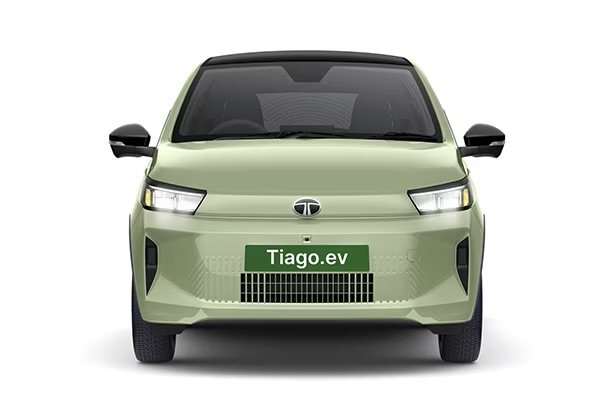
Tiago ICE vs Tiago EV: Quick Comparison
Here is the snapshot before we dig into the detail.
| Aspect | Tata Tiago (ICE) | Tata Tiago EV |
|---|---|---|
| Fuel | Petrol or CNG | Electric |
| Starting price | Rs 4.69 lakh | Rs 6.99 lakh (Rs 4.69 lakh with BaaS) |
| Power | About 86 hp | 61 to 74 PS |
| Range or mileage | Around 19 to 20 km/l (petrol) | 226 to 285 km per charge |
| Running cost | Higher | Much lower |
Both are practical hatchbacks with the same fresh 2026 design, so the decision comes down to how and where you drive.
Price Comparison
On upfront price, the Tiago ICE vs Tiago EV gap is clear, and the petrol Tiago is the winner. The big twist is Tata’s Battery as a Service scheme, which can bring the Tiago EV’s effective starting price right down to the level of the petrol car.
| Variant | Price (ex-showroom) |
|---|---|
| Tiago petrol | From Rs 4.69 lakh |
| Tiago CNG | From Rs 5.79 lakh |
| Tiago EV | Rs 6.99 lakh to Rs 9.99 lakh |
| Tiago EV with BaaS | From Rs 4.69 lakh plus battery rental |
Bought outright, the Tiago EV costs around Rs 2.3 lakh more than the petrol Tiago. With Battery as a Service, the EV’s sticker price drops to match the petrol car, but you then pay a separate battery rental, explained below.
Powertrain And Performance
This is where the two cars feel most different. The Tiago ICE uses a familiar 1.2 litre three cylinder petrol engine, also available in CNG form, while the Tiago EV swaps all of that for a quiet, instant pulling electric motor.
| Specification | Tiago ICE | Tiago EV |
|---|---|---|
| Engine or motor | 1.2L three cylinder petrol, also CNG | Electric motor |
| Power | 86 hp (petrol), 75.5 hp (CNG) | 61 PS (19.2 kWh) or 74 PS (24 kWh) |
| Torque | 113 Nm (petrol), 96 Nm (CNG) | 110 to 114 Nm |
| Battery | Not applicable | 19.2 kWh or 24 kWh |
| Gearbox | 5 speed manual or AMT | Single speed automatic |
| 0 to 60 km/h | Not officially quoted | Around 5.7 seconds |
On paper the power figures look similar, but the driving feel is not. The Tiago EV delivers its torque instantly and silently, making it feel noticeably peppier in city traffic, with a 0 to 60 km/h time of around 5.7 seconds. The petrol Tiago is more relaxed and needs to be revved, while the CNG version trades a little performance for much cheaper fuel.
Range, Mileage And Running Costs
For most buyers, this is the heart of the Tiago ICE vs Tiago EV decision. The petrol Tiago returns around 19 to 20 km/l, and the CNG version is cheaper still to run. But neither comes close to the electric Tiago on cost per kilometre.
The Tiago EV offers a claimed MIDC range of 226 km with the 19.2 kWh battery and 285 km with the 24 kWh battery. The 24 kWh pack also supports faster 30 kW DC charging, adding around 100 km in under 20 minutes.
| Running cost | Tiago Petrol | Tiago EV (home charging) |
|---|---|---|
| Approximate cost per km | Rs 5 to 6 | Rs 1 to 1.5 |
These figures are approximate, based on typical residential electricity and fuel prices, and will vary by state, tariff, fuel cost and driving style. Even so, the gap is huge, and Tata estimates the EV costs roughly one seventh as much to run as the petrol version.
How Long Until The Tiago EV Pays Back?
A common question is how long the Tiago EV’s lower running costs take to offset its higher price. Here is a simple estimate, with petrol around Rs 100 a litre and home charging about Rs 8 a unit.
- Petrol Tiago: roughly Rs 5 per km
- Tiago EV: roughly Rs 1.2 per km
- Saving: about Rs 3.8 per km
Bought outright, the Tiago EV costs around Rs 2.3 lakh more than the petrol car. At a saving of about Rs 3.8 per km, you would recover that extra cost in roughly 60,000 km of driving. For a city user covering 40 to 50 km a day, that is around four years, after which the EV saves money on every kilometre.
With Battery as a Service there is no upfront premium to recover, since the EV then costs the same to buy as the petrol car. You pay a per km battery rental instead, so savings start from day one but are smaller.
Features And Practicality
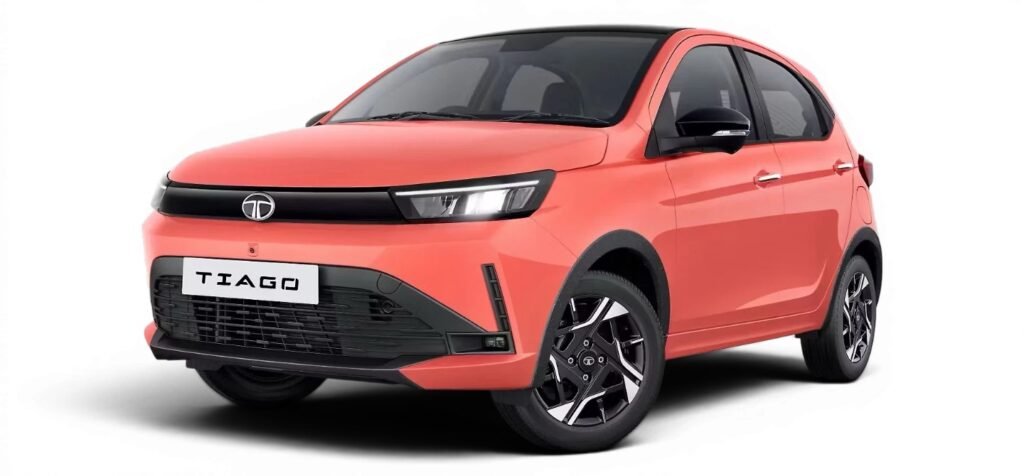
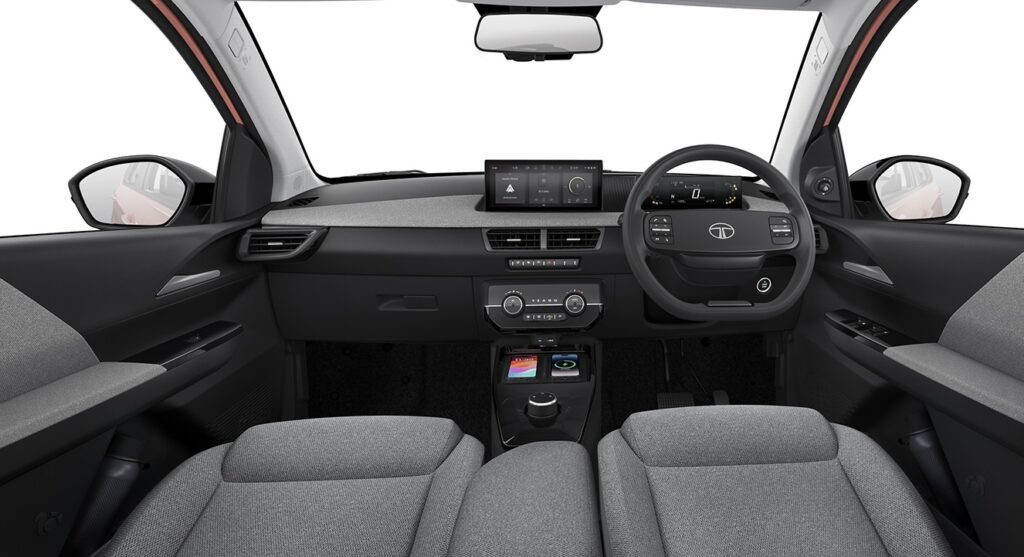
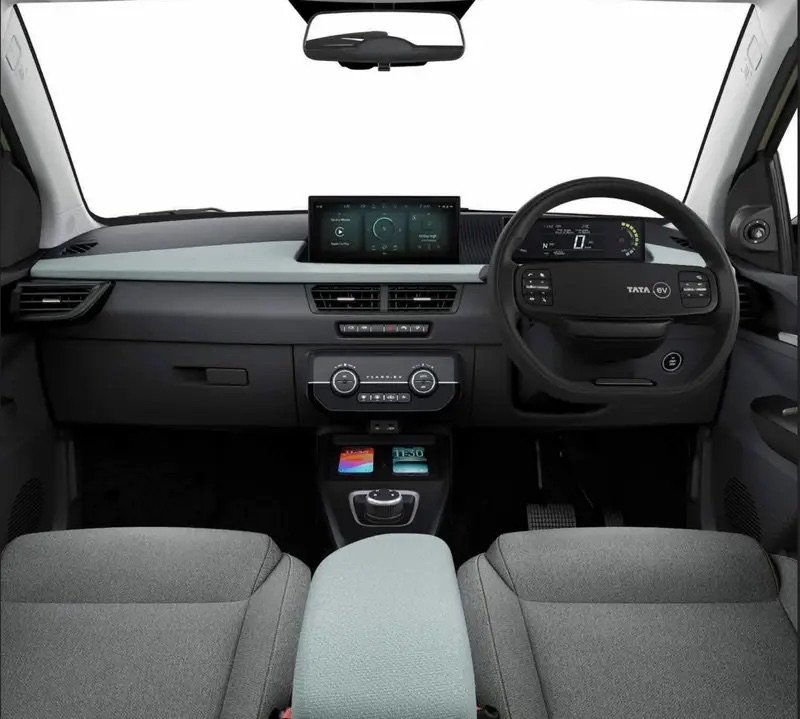
Both updated Tiago models share the same new look and revamped interiors. The petrol and CNG cars get welcome touches like rear AC vents, a revised AC system and a dual deck wireless charging pad, while the CNG AMT even adds paddle shifters.
The Tiago EV goes further on technology, with a new dashboard with two free standing displays, a 360 degree camera and blind spot monitoring. So in the Tiago ICE vs Tiago EV feature battle, the EV has the edge, though the petrol car is still well equipped for its price.
Battery As A Service Explained
Tata’s Battery as a Service, or BaaS, is the key to the Tiago EV’s pricing. Instead of paying for the battery upfront, you buy the car for as little as Rs 4.69 lakh, the same as the petrol Tiago, and then pay a usage based rental for the battery, starting at around Rs 2.6 per km based on daily use of up to 44 km.
This lowers the entry barrier dramatically, but it does mean an ongoing monthly cost. Tata also offers BaaS buyers a buyback option of 40 to 60 percent depending on whether you keep the car for three to five years. In short, the Rs 4.69 lakh BaaS price does not make the EV a cheaper car overall. The battery, the costliest part of any EV, is simply paid for over time rather than upfront, and you do not own it. BaaS suits buyers who want low upfront cost and predictable battery expenses, while buying the battery outright suits those who plan to keep the car long term.
Who Should Buy The Tiago ICE?
The petrol or CNG Tiago is the better pick if you want the lowest buying price, cannot easily charge an EV, or regularly drive long distances where charging is still patchy. The CNG version in particular is a smart middle ground, with very low running costs and no charging worries.
Who Should Buy The Tiago EV?
The Tiago EV makes most sense if you drive mainly in the city, can charge at home or work, and want the lowest running costs with a quieter, more modern drive. With Battery as a Service, even the upfront cost is no longer a barrier for city families ready to go electric.
Quick Verdict: Which Tiago Suits You?
| Buyer Type | Best Choice |
|---|---|
| Daily city commuter | Tiago EV |
| No home charging | Tiago CNG |
| Frequent highway user | Tiago petrol |
| Lowest running cost | Tiago EV |
| Lowest purchase price | Tiago petrol |
Quick Pros & Cons
Tiago ICE pros and cons
- Lower upfront price and a strong CNG option.
- No charging needed, better for long trips.
- Higher running costs than the EV.
Tiago EV pros and cons
- Very low running costs and instant, silent performance.
- More features and Battery as a Service pricing.
- Higher outright price and limited long distance range.
Tiago ICE vs Tiago EV: Frequently Asked Questions
1. Is the Tiago EV worth it over the petrol Tiago?
If you drive mostly in the city and can charge at home, the Tiago EV’s lower running costs and extra features make it well worth it, especially with Battery as a Service cutting the upfront cost.
2. What is the price difference between the Tiago ICE and Tiago EV?
The petrol Tiago starts at Rs 4.69 lakh and the Tiago EV at Rs 6.99 lakh, a gap of around Rs 2.3 lakh. With Battery as a Service, the EV can start from Rs 4.69 lakh plus a battery rental.
3. What is the range of the Tiago EV?
The Tiago EV offers a claimed MIDC range of 226 km with the 19.2 kWh battery and 285 km with the 24 kWh battery, with real world figures somewhat lower.
4. What is Battery as a Service?
Battery as a Service lets you buy the Tiago EV without paying for the battery upfront, lowering the price to Rs 4.69 lakh, and then pay a usage based battery rental from around Rs 2.6 per km.
5. Which Tiago is cheaper to run?
The Tiago EV is by far the cheapest to run, costing roughly Rs 1 to 1.5 per km on home charging against around Rs 5 to 6 per km for the petrol version, with CNG sitting in between.
6. Does the Tiago EV have more features?
Yes. The Tiago EV adds a twin screen dashboard, a 360 degree camera and blind spot monitoring over the petrol car, though both share the new 2026 design and many features.
7. Should I buy the Tiago CNG or the Tiago EV?
The CNG Tiago suits buyers who want low running costs without charging worries, while the Tiago EV suits city users who can charge and want the lowest costs and the most features.
Motors77 Verdict
The Tiago ICE vs Tiago EV battle has no single winner, because the right choice depends on you. The petrol and CNG Tiago wins on affordability, simplicity and long distance freedom, with the CNG version remaining one of the smartest value buys in India. The Tiago EV is the more forward looking and cheaper to run option, with instant performance, the latest features and running costs a fraction of the petrol car, and Battery as a Service softens its high upfront price.
At Motors77, our verdict is simple. If you mostly drive in the city and can charge conveniently, the Tiago EV is the smarter long term buy and the one we would lean towards. If you drive long distances, cannot charge easily, or want the lowest price, the petrol or CNG Tiago is the more practical pick. Either way, whichever Tiago you choose, you are getting one of the best value hatchbacks in the country.